9 citations
,
June 2022 in “Microorganisms” We need safe, affordable drugs to fight coronaviruses effectively.
 7 citations
,
December 2022 in “Frontiers in Bioengineering and Biotechnology”
7 citations
,
December 2022 in “Frontiers in Bioengineering and Biotechnology” Extracellular vesicles show promise for wound healing, but more research is needed to improve their stability and production.
7 citations
,
May 2022 in “Frontiers in Cell and Developmental Biology” Epigenetic and metabolic changes affect stem cell function and aging in skin.
5 citations
,
November 2025 in “Cells” Advancements in wound healing aim to improve personalized treatments and enhance healing outcomes.
 1 citations
,
June 2023 in “Cells”
1 citations
,
June 2023 in “Cells” Exosomes could be a promising way to help repair skin and treat skin disorders.
 July 2026 in “Current Issues in Molecular Biology”
 Plerixafor may help restore skin pigmentation safely.
 March 2026 in “Preprints.org”
 Plerixafor may help treat pigmentation disorders by promoting skin repigmentation.

Reprogramming adult fibroblasts may enable scar-free healing.
 January 2026 in “Preprints.org”
 Mimicking fetal wound environments may enable scarless healing in adults.
January 2026 in “Burns & Trauma” NLRP3 helps control inflammation and repair in wound healing, making it a potential target for treatment.
February 2024 in “Epigenomes” Epigenetic mechanisms control skin development by regulating gene expression.
February 2026 in “Toxicology Letters” MK-0773 is a moderate inhibitor of the SRD5A2 enzyme.
 May 2025 in “The Journal of Rheumatology”
 Mixed Connective Tissue Disease can develop from overlapping symptoms of several autoimmune diseases, making diagnosis complex.
19 citations
,
February 2001 in “Journal of paediatrics and child health” A new mutation in the mitochondrial DNA was found in a boy with MELAS, even though his family didn't show typical signs.
 April 2023 in “Journal of Investigative Dermatology”
 MPZL3 protein helps control the size of oil glands and the growth of oil-producing cells in both mice and humans.
78 citations
,
October 2007 in “Journal of Investigative Dermatology” Delta1 is crucial for controlling skin cell growth and preventing tumors in mice.
 11 citations
,
December 2014 in “The American journal of pathology”
11 citations
,
December 2014 in “The American journal of pathology” A gene deletion in mice causes weak protein, immune issues, hair loss, airway problems, and wasting disease.
46 citations
,
December 1992 in “The Journal of Steroid Biochemistry and Molecular Biology” Affected males are born with ambiguous genitalia, raised as females, but develop male traits at puberty due to enzyme deficiency.
5 citations
,
February 2005 in “Journal of the American Academy of Dermatology” Focal palmoplantar callosities may help diagnose non-Herlitz junctional epidermolysis bullosa.
January 2018 in “VCU Scholars Compass (Virginia Commonwealth University)” Desmosomes are crucial for skin and heart development, and JNK may help regulate them.
 August 2023 in “Dermatology reports”
 A baby with maple syrup urine disease improved from skin problems by adjusting his diet to correct amino acid levels.
Careful diagnosis and management of MCTD are crucial due to potential severe complications.
34 citations
,
September 2010 in “Clinical and Experimental Dermatology” A new gene mutation linked to KID syndrome was found, expanding genetic knowledge.
January 2002 in “대한피부과학회지” Most patients with dermatomyositis had skin rash and were treated with prednisolone and hydroxychloroquine.
 5 citations
,
January 1998 in “Clinical and experimental dermatology”
5 citations
,
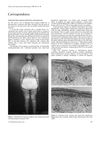
January 1998 in “Clinical and experimental dermatology” Myotonic dystrophy should be considered in patients with hair thinning, and genetic counseling is important.
 November 2022 in “Journal of Investigative Dermatology”
 Dynlt3 is important for melanosome transport and skin coloration.
 108 citations
,
July 2002 in “Molecular and cellular biology”
108 citations
,
July 2002 in “Molecular and cellular biology” Overexpressing Dsg3 in mice skin causes excessive cell growth and abnormal skin development.
15 citations
,
June 2021 in “Medicina” Combined light therapy improves eye health and quality of life for those with meibomian gland dysfunction.
January 2025 in “eScholarship@McGill (McGill)” Jag2 is essential for proper skin cell differentiation and organization.
123 citations
,
January 2012 in “The Keio Journal of Medicine” Anti-angiogenic therapy can help treat cancer but may cause resistance and side effects, so alternative methods are being explored.