 37 citations
,
March 2014 in “Journal of Trace Elements in Medicine and Biology”
37 citations
,
March 2014 in “Journal of Trace Elements in Medicine and Biology” Lower hair zinc and copper levels found in Turkish males with hair loss; higher BMI linked to less hair zinc.
 84 citations
,
February 2013 in “Clinica chimica acta”
84 citations
,
February 2013 in “Clinica chimica acta” Hair mineral analysis might help diagnose diseases early, but standard methods are needed.
 March 2014 in “Journal of The American Academy of Dermatology”
 The document lists various dermatology topics, treatments, and diagnostic methods.
 434 citations
,
October 2003 in “PTR. Phytotherapy research/Phytotherapy research”
434 citations
,
October 2003 in “PTR. Phytotherapy research/Phytotherapy research” Natural products in cosmetics are beneficial for skin and hair care with low toxicity.
 31 citations
,
February 2019 in “International Journal of Cosmetic Science”
31 citations
,
February 2019 in “International Journal of Cosmetic Science” Caffeine applied to the scalp can protect hair follicles from UV damage.
 8 citations
,
November 2022 in “International Journal of Cosmetic Science”
8 citations
,
November 2022 in “International Journal of Cosmetic Science” Human hair varies widely and should be classified by curl type rather than race.
 7 citations
,
December 2008 in “Expert Review of Dermatology”
7 citations
,
December 2008 in “Expert Review of Dermatology” The document concludes that various childhood hair and nail disorders exist, some may improve on their own, and advances in genetics and immunology could enhance treatment and counseling.
 4 citations
,
September 2014 in “Elsevier eBooks”
4 citations
,
September 2014 in “Elsevier eBooks” Use some skin medications with caution during pregnancy; avoid strong steroids, certain eczema treatments, and systemic retinoids, but many topical treatments and nasal sprays are safe.
 January 2025 in “Journal of Pharmacognosy and Phytochemistry”
 The Aloe vera and Fenugreek hair mask improves hair health and reduces hair problems safely.
 November 2024 in “Journal of Scientific Agriculture”
 Silk proteins are great for cosmetics because they protect and improve skin and hair while being eco-friendly.
A new system for classifying curly hair types using precise measurements can improve hair care products and cultural inclusion.

Bee pollen, green tea, essential oils, and various plant extracts improve skin and hair health.
84 citations
,
April 2015 in “Cosmetics” Hair dyes vary in how long they last and how deeply they penetrate hair.
November 2025 in “Dermato” The skin microbiome is crucial for skin health and new treatments like probiotics can improve skin conditions.
January 2025 in “Conservation Physiology” Bear hair grows 0.10 to 1.05 mm per day, varying by individual and season.
 67 citations
,
November 2019 in “Molecules”
67 citations
,
November 2019 in “Molecules” Tea, especially green tea, shows promise in cosmetics for skin and hair benefits but more research is needed for effective use.
1 citations
,
January 2024 in “Journal of clinical medicine” Early recognition and treatment of tinea capitis are crucial to prevent severe scalp issues and prolonged therapy.
 30 citations
,
January 2023 in “EFSA journal”
30 citations
,
January 2023 in “EFSA journal” Adults should not consume more than 255 micrograms of selenium per day to avoid risk of hair loss and other side effects.
 5 citations
,
February 2022 in “Acta Biomaterialia”
5 citations
,
February 2022 in “Acta Biomaterialia” Nanomaterials can improve hair care products and treatments, including hair loss and alopecia, by enhancing stability and safety, and allowing controlled release of compounds, but their safety in cosmetics needs more understanding.
 2 citations
,
January 2018 in “European journal of pediatric surgery reports”
2 citations
,
January 2018 in “European journal of pediatric surgery reports” A baby girl's hair turned straight on one side due to a neck tumor and surgery, but it returned to curly as she recovered.
 4 citations
,
February 2014 in “Journal of the European Academy of Dermatology and Venereology”
4 citations
,
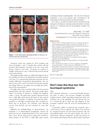
February 2014 in “Journal of the European Academy of Dermatology and Venereology” Early diagnosis of hair tourniquet syndrome saved a baby's toe from being lost.
September 2021 in “Pediatrics in review” A baby with KID syndrome died from infections and organ failure at 18 months old.

research Acne
2 citations
,
May 2011 in “Harper's Textbook of Pediatric Dermatology” Acne is a common skin condition linked to diet, hormones, and genetics, and early treatment can prevent scarring.
 17 citations
,
November 2000 in “Journal of the American Pharmaceutical Association”
17 citations
,
November 2000 in “Journal of the American Pharmaceutical Association” The document concludes that low-dose oral contraceptives and hormonal therapies can manage perimenopause symptoms and reduce some health risks, but lifestyle changes and disease screening are also important.
 December 2016 in “British Journal of Dermatology”
 The meeting highlighted the importance of genetic testing and multidisciplinary approaches in pediatric dermatology.
 58 citations
,
October 2001 in “Dermatologic Clinics”
58 citations
,
October 2001 in “Dermatologic Clinics” Hair loss can indicate underlying systemic diseases and addressing these can sometimes reverse the hair loss.
 18 citations
,
January 2004 in “Dermatologic Clinics”
18 citations
,
January 2004 in “Dermatologic Clinics” Skin problems in older people can indicate hormonal diseases, nutritional deficiencies, or conditions like diabetes, menopause, and HIV.
 November 2019 in “Harper's Textbook of Pediatric Dermatology”
 Understanding normal hair growth and loss in children is key to diagnosing and treating hair disorders.
 27 citations
,
May 2008 in “Neuroscience”
27 citations
,
May 2008 in “Neuroscience” Finasteride given to baby rats causes anxiety-like behavior and worsens learning from punishment in adult rats.
 3 citations
,
May 2016 in “Behavioural Brain Research”
3 citations
,
May 2016 in “Behavioural Brain Research” Finasteride given to baby rats reduces dopamine release and increases alcohol consumption in adult males.