Search
for
Sort by
Research
390-420 / 1000+ results
research Early skin biopsy is helpful for the diagnosis and management of neonatal and infantile erythrodermas
Early skin biopsy helps diagnose and manage severe skin conditions in babies.
research Under Development JAK Inhibitors for Dermatologic Diseases
New JAK inhibitor drugs show promise for treating skin diseases but need more research on safety and effectiveness.
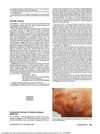
research Cyclosporine Therapy for Bullous Erythema Multiforme
Cyclosporine cleared a woman's resistant skin condition quickly and kept it away for over a year.
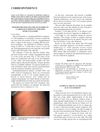
research GEOGRAPHIC TONGUE IN TWO CHILDREN WITH NONPUSTULAR PSORIASIS
Fox Fordyce disease might be more common in prepubertal girls than thought and can be managed with treatment.

research Targeting the Janus Kinase Family in Autoimmune Skin Diseases
Janus kinase inhibitors are promising treatments for autoimmune skin diseases like eczema and psoriasis.
research Lichen Spinulosus: Case Report and Review of Literatures
A 12-year-old boy's rare skin condition improved with topical treatments and may resolve by puberty.
research A case of systemic mastocytosis - an ultrastructural and immunohistochemical study of the dermal mast cells in relation to activation of the epidermal melanin unit
Prednisone reduces organ mast cell infiltration but does not alter the abnormal appearance of mast cells in systemic mastocytosis.
research Ischemic Vaso-occlusive Retinopathy as Initial Presentation in Pediatric Systemic Lupus Erythematosus: A Case Report
Early treatment of pediatric lupus-related eye issues is crucial to prevent vision loss.
research Dermoscopy of lipidized dermatofibromas
research Netherton Syndrome
A 17-year-old with Netherton syndrome has dry, itchy skin, brittle hair, and high IgE levels, treated with antihistamines and emollients.
research Collodion baby to bathing suit ichthyosis: A 6-year follow-up
A baby with a skin condition improved with treatment but developed a rare form of the condition affecting only his trunk.
research Two Clinically Unusual Cases of Folliculotropic Mycosis Fungoides: One with and the Other without Syringotropism
Some cases of folliculotropic mycosis fungoides may progress slowly and not need aggressive treatment.
research Systemic lupus erythematosus presenting with bullous lesions, cutaneous vasculitis and laryngeal ulcerations-a rare association
A woman with lupus had unusual symptoms like blisters, skin inflammation, and throat ulcers, which improved with steroid and dapsone treatment.

research 307 Phenotypic-genotypic expansion of plectinopathy in a patient with muscular dystrophy and immune-mediated myasthenia gravis
A patient with a new PLEC gene mutation showed symptoms of both muscular dystrophy and myasthenia gravis, which improved with steroid treatment.
research An Unusual Presentation of Mucous Membrane Pemphigoid
Treatment with prednisolone and dapsone stopped new blisters and partially healed previous ones.
research NEW YORK DERMATOLOGICAL SOCIETY
The meeting highlighted the complexity and variability of skin conditions and differing opinions on their diagnoses and treatments.
research CLINICAL SPECTRUM AND IMMUNOLOGICAL PROFILE OF PATIENTS WITH MIXED CONNECTIVE TISSUE DISEASE PRESENTING IN A TERTIARY CARE HOSPITAL
Early treatment of mixed connective tissue disease is crucial to prevent severe autoimmune conditions.
research Recognizing and managing dermatologic manifestations of celiac disease in children
Children with celiac disease often have skin issues, best managed with a gluten-free diet and sometimes medication.
research Tinea Faciale and Lupus Erythematosus
Tinea faciale can be mistaken for lupus due to similar symptoms.
research Issue Information
research Issue Information
research Issue Information
research Issue Information
research Issue Information
research Issue Information
research Issue Information
research A Case of Kerion Celsi Caused by Microsporum gypseum (Arthroderma gypseum ) in a Child
A 10-year-old boy recovered from a scalp infection caused by a fungus after treatment with itraconazole.
research Granuloma Annulare Mimicking Alopecia Mucinosa in a Child: An Atypical Presentation
Biopsy is crucial to correctly diagnose granuloma annulare, which can mimic other conditions like alopecia mucinosa.
research A Case Report of Discoid Lupus Erythematosus Mimicking Skin Infection
Discoid lupus erythematosus can be mistaken for a skin infection, complicating diagnosis and treatment.