1 citations
,
September 2025 in “JAAD reviews.” Janus kinase inhibitors are effective for severe alopecia areata, promoting hair regrowth.
6 citations
,
November 2020 in “JAAD Case Reports” Tofacitinib may help treat both alopecia areata and inflammatory bowel disease.
 2 citations
,
December 2023 in “Journal of clinical immunology”
2 citations
,
December 2023 in “Journal of clinical immunology” Ruxolitinib significantly improves multiple autoimmune conditions in APS-1 patients.
1 citations
,
January 1986 in “PubMed” The boy's symptoms suggest a possible new medical condition.
A 16-year-old girl with lupus symptoms improved with treatment despite negative ANA tests.
 11 citations
,
November 2019 in “Clinical Case Reports”
11 citations
,
November 2019 in “Clinical Case Reports” A Brazilian teenager with severe hair loss had total hair regrowth with no side effects after using tofacitinib.
4 citations
,
February 2024 in “Anais Brasileiros de Dermatologia”  September 2019 in “Journal of Investigative Dermatology”
 Abrocitinib at 100 mg and 200 mg daily may significantly improve moderate-to-severe atopic dermatitis in patients 12 years and older.
 December 2021 in “Journal of Rheumatic Diseases”
 Early treatment of pediatric lupus-related eye issues is crucial to prevent vision loss.
November 2023 in “Journal of Investigative Dermatology” JAK inhibitors are effective and generally safe for treating alopecia areata, but monitoring for side effects is important.
277 citations
,
December 2019 in “Frontiers in Immunology” JAK inhibitors show promise for treating skin disorders like alopecia, eczema, and psoriasis.
January 2025 in “Voprosy praktičeskoj pediatrii” Janus kinase inhibitors show promise for treating alopecia areata in children.
5 citations
,
July 2003 in “Annals of the Rheumatic Diseases” An antibiotic called co-trimoxazole can effectively treat autoimmune diseases.
 June 2023 in “Fundamental & clinical pharmacology”
 JAK inhibitors help treat some diseases but may increase risks of blood clots and cancer in certain patients.
16 citations
,
June 2018 in “JAAD case reports” A JAK inhibitor improved both severe hair loss and chronic skin disease in one patient.
19 citations
,
September 2006 in “Journal of Pediatric Gastroenterology and Nutrition” Early use of infliximab in severe pediatric Crohn's disease can lead to significant improvement and remission.
 June 2023 in “British journal of dermatology/British journal of dermatology, Supplement”
 Patients with alopecia areata face challenges accessing Janus kinase inhibitors, but some see positive results.
 March 2025 in “Pediatric Rheumatology”
 Cyclophosphamide is preferred for severe cases in pediatric rheumatology and nephrology despite its side effects.
 1 citations
,
April 2022 in “Rheumatology”
1 citations
,
April 2022 in “Rheumatology” A man developed autoimmune symptoms after the Pfizer COVID-19 vaccine, highlighting the need for thorough vaccine safety checks.
June 2020 in “Zenodo (CERN European Organization for Nuclear Research)” Children with frequent severe infections and low antibodies should be checked for immune deficiencies.
 September 2024 in “Cureus”
 Guselkumab effectively treats skin reactions caused by adalimumab in certain conditions.
January 2024 in “Pharmacoepidemiology” Patients with rheumatoid arthritis using tofacitinib had more serious side effects than those with alopecia areata.
July 2025 in “Journal of Investigative Dermatology” Upadacitinib effectively treats pyoderma gangrenosum.
 August 2024 in “New Zealand Medical Student Journal”
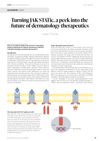
 JAK inhibitors show promise for treating skin diseases effectively and safely.
6 citations
,
March 2023 in “Journal of Ethnopharmacology” Jieduquyuziyin prescription helps treat SLE with atherosclerosis by improving cholesterol removal and reducing inflammation.
 March 2026 in “Mendeley Data”
 Janus kinase inhibitors can help children with alopecia areata regrow hair but may have some risks.
January 2022 in “International journal of dermatology and venereology” A Chinese man with KID syndrome had a new mutation in the GJB2 gene.
3 citations
,
October 2001 in “British Journal of Ophthalmology”  January 2024 in “Skin Research and Technology”
 Oral tofacitinib may be an effective future treatment for children with severe alopecia areata, but more research is needed.
February 2016 in “Annals of the Rheumatic Diseases” All four treatments for early rheumatoid arthritis had similar and mostly mild side effects.