98 citations
,
May 2016 in “Genes” Understanding wool keratin-associated proteins in sheep can help improve wool quality through selective breeding.
76 citations
,
February 1993 in “Journal of Biological Chemistry” KAP6 genes are conserved across species and active in hair follicles.
 April 2026 in “The Bioscan.”
 Viddhakarma may effectively regrow hair in alopecia areata without side effects.
8 citations
,
March 2004 in “Mammalian genome” KAP genes are crucial for hair development and show both shared and unique traits in humans, chimpanzees, and baboons.
4 citations
,
July 2024 in “Animals” The KRTAP19-5 gene affects wool curvature in Chinese Tan sheep, with Variant B reducing curvature.
 March 2026 in “Zenodo (CERN European Organization for Nuclear Research)”
 Ratanjot root oil helps hair grow and conditions and colors it naturally.
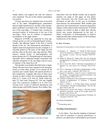 January 1999 in “Journal of the European Academy of Dermatology and Venereology”
 RAPK is a rare skin disorder with pigmented spots, mainly on hands and feet, starting in youth.
Pashmina goats produce long hair-fiber due to specific gene expressions related to hair growth.
January 2025 in “Kuwait Journal of Science” KRT71 gene variants may influence camel hair shape but don't fully explain it.
 July 2022 in “New Zealand journal of agricultural research”
 The KRTAP27-1 gene variations in sheep may affect wool length and weight.
 February 2021 in “PDEAS International Journal of Research in Ayurved and Allied Sciences”
 Ayurveda views hair health as a reflection of overall well-being and uses herbal treatments for hair care.
May 2025 in “International Ayurvedic Medical Journal” Ayurvedic treatment effectively improved alopecia areata symptoms quickly and affordably.
32 citations
,
January 2020 in “Journal of Molecular Histology” K31 can identify clear secretory cells in human sweat glands.
 July 2025 in “Journal of Ayurveda and Holistic medicine.”
 The treatment improved hair thickness and reduced hair loss.
March 2025 in “AYUSHDHARA” Ayurvedic treatment with Gandharvahastadi Kwath improved thyroid dysfunction symptoms.
 March 2023 in “International Journal of Dermatology”
 COVID-19 can cause hair to become progressively kinked.
45 citations
,
March 1997 in “Journal of Investigative Dermatology” 51 citations
,
September 2012 in “Gene” The research identified a gene in sheep important for wool quality, which could help improve wool traits.
6 citations
,
November 2020 in “bioRxiv (Cold Spring Harbor Laboratory)” Gene expression, especially Dkk4, is key to cat color patterns.
 2 citations
,
September 2020 in “Biomedical materials”
2 citations
,
September 2020 in “Biomedical materials” Recombinant keratin materials may better promote skin cell differentiation than natural keratin.
47 citations
,
September 2004 in “Journal of Biological Chemistry” Hoxc13 regulates specific hair protein genes on mouse chromosome 16.
13 citations
,
February 2008 The new natural sindoor is safe, non-toxic, and eco-friendly.
July 2009 in “Planta Medica” Traditional healers in Pabna, Bangladesh, use various plants to treat different health issues.
KRTAP6 genes affect wool quality in sheep.
 1 citations
,
January 2014 in “Sen'i Gakkaishi”
1 citations
,
January 2014 in “Sen'i Gakkaishi” The new method reliably identifies and measures different animal hair fibers in textiles.
 June 2024 in “International Journal of Research in Ayurveda and Pharmacy”
 Ayurveda suggests a healthy lifestyle and specific treatments can help prevent and treat hair problems.
 January 2024 in “Sanjeevani Darshan National Journal of Ayurveda & Yoga”
 The treatment may help regrow hair in Alopecia Areata.
The KRT84 gene is linked to better wool quality in Gansu Alpine Fine-wool sheep.
1 citations
,
January 2015 in “China Animal Husbandry & Veterinary Medicine” Four keratin genes are crucial for hair growth in Xinji fine wool sheep.