April 2021 in “The journal of investigative dermatology/Journal of investigative dermatology” CTCF protein is essential for skin and hair follicle development in mice.
January 2025 in “Thieme Medical and Scientific Publishers Private Limited eBooks”  January 2018 in “Skin appendage disorders”
 The document focused on hair disorders, especially alopecia, and discussed treatments and impacts on quality of life.
 2 citations
,
August 2013 in “Journal of Investigative Dermatology”
2 citations
,
August 2013 in “Journal of Investigative Dermatology” Nuclear shape and chromatin changes affect gene expression in skin cell differentiation.
 30 citations
,
April 2017 in “European Journal of Cell Biology”
30 citations
,
April 2017 in “European Journal of Cell Biology” CIP/KIP proteins help stop cell division and support hair growth.
 8 citations
,
January 2017 in “Stem Cells International”
8 citations
,
January 2017 in “Stem Cells International” A protein called sFRP4 from skin cells stops the development of pigment-producing cells in hair.
 January 1999 in “Journal of the European Academy of Dermatology and Venereology”
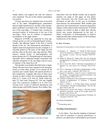
 RAPK is a rare skin disorder with pigmented spots, mainly on hands and feet, starting in youth.
42 citations
,
July 1993 in “Journal of Investigative Dermatology” 15 citations
,
December 2020 in “The Journal of General Physiology” Acid can block TRPV3 from outside the cell but boost its function from inside.
 2 citations
,
December 2016 in “Experimental cell research”
2 citations
,
December 2016 in “Experimental cell research” The research found a way to identify and study skin cells with stem cell traits, revealing they behave differently in culture and questioning current stemness assessment methods.
July 2013 in “DeckerMed Medicine” The document's conclusion cannot be provided because the document is not readable or understandable.
22 citations
,
November 2016 in “International journal of molecular sciences” Vitamin D receptor is important for regulating hair growth and wound healing in mice.
October 2014 in “Cancer research” Blocking mTORC1 reduces skin tumor growth in mice.
 7 citations
,
March 2021 in “Molecular Medicine Reports”
7 citations
,
March 2021 in “Molecular Medicine Reports” A mix of specific inhibitors and a growth factor helps keep hair growth cells from losing their properties in the lab.
 1 citations
,
October 2012 in “The Journal of Dermatology”
1 citations
,
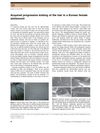
October 2012 in “The Journal of Dermatology” A Korean girl developed kinky hair without known cause or effective treatment.
13 citations
,
May 2001 in “Current problems in dermatology” Keratin proteins in epithelial cells are dynamic and crucial for cell processes and disease understanding.
 1 citations
,
July 2016 in “Elsevier eBooks”
1 citations
,
July 2016 in “Elsevier eBooks” Understanding skin structure and development helps diagnose and treat skin disorders.

The document's conclusion cannot be provided because the document is not accessible or understandable.

sFRP4 partially inhibits hair regeneration, but the study needs clearer data analysis and better explanation of the process.
 10 citations
,
December 2015 in “International Journal of Molecular Sciences”
10 citations
,
December 2015 in “International Journal of Molecular Sciences” PDCD4 is important for controlling skin cell growth and healing.
20 citations
,
November 2008 Vitamin D is important for regulating calcium, phosphate, and hair health.
 January 2018 in “Stem cell biology and regenerative medicine”
 ATP-dependent chromatin remodeling is crucial for skin development and stem cell function.
1 citations
,
August 2025 in “Epigenetics & Chromatin” H3K4me3 helps control RSPO3 to influence hair growth and development.
 January 2005 in “Seibutsu Butsuri/Seibutsu butsuri”
 Chemical treatments damage hair more than UV exposure, making it thinner and less flexible.
5 citations
,
December 1996 in “Biochemical and Biophysical Research Communications” Mouse hair keratins mHa1 and mHb4 can't form a strong network on their own in cells.
January 2021 in “Thieme Medical and Scientific Publishers Private Limited eBooks”  July 2022 in “Biomedicines”
 4-Aminopyridine improves skin wound healing and tissue regeneration by increasing cell growth and promoting nerve repair.
 October 2021 in “Journal of Investigative Dermatology”
 DPP4, a molecule in skin, helps heal large wounds and regrow hair follicles when its levels are reduced.
November 2021 in “Research Square (Research Square)” 4-aminopyridine speeds up and improves skin wound healing.
 54 citations
,
January 2013 in “Journal of Biological Macromolecules”
54 citations
,
January 2013 in “Journal of Biological Macromolecules” A new method effectively separates keratin-associated proteins and keratin from human hair.