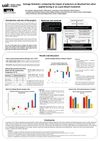
 June 2017 in “University of the Arts London Research Online (University of the Arts London)”
 Polymers help reduce damage and improve bleached hair when used during or after bleaching.
 May 2011 in “Value in Health”
 No current patient-reported outcome measure fully meets FDA requirements for alopecia treatments.
July 2026 in “bioRxiv (Cold Spring Harbor Laboratory)” Proteomic signatures can identify if hair is from the scalp or pubic area.
 May 2024 in “bioRxiv (Cold Spring Harbor Laboratory)”
 KAP-depleted hair causes less immune response and is more biocompatible for implants.
January 2010 in “BMC Genomics” Key genes influence cashmere growth cycles, aiding goat breeding.
26 citations
,
June 2010 in “Electrophoresis” New techniques helped identify rare wool proteins by reducing dominant ones.
Premature graying of hair is linked to vitamin D and B12 deficiencies, thyroid issues, iron imbalance, stress, and lifestyle habits, and affects quality of life.
 24 citations
,
June 2012 in “BMC Research Notes”
24 citations
,
June 2012 in “BMC Research Notes” The HGCA tool helps identify genes that work together by analyzing their co-expression patterns.
46 citations
,
May 1995 in “Proceedings of the National Academy of Sciences” A specific gene region can control targeted and responsive gene expression in mice, useful for skin disorder treatments.
12 citations
,
January 2000 in “Biochemical and Biophysical Research Communications” The study mapped keratin 15 and 19 genes, aiding future genetic disorder research.
 4 citations
,
July 2012 in “Genesis”
4 citations
,
July 2012 in “Genesis” The Megsin-Cre transgene is a new tool for genetic manipulation in the skin and upper digestive tract.
19 citations
,
November 2016 in “Developmental Biology” 77 citations
,
March 2000 in “Journal of Investigative Dermatology” The research identified six functional hair keratin genes and four pseudogenes, providing insights into hair formation and gene organization.
38 citations
,
February 1988 in “Molecular and Cellular Biology” Only one of the two K16 genes on chromosome 17 makes a functional protein for keratin filaments.
 7 citations
,
June 2011 in “Movement Disorders”
7 citations
,
June 2011 in “Movement Disorders” A specific gene mutation is linked to a hereditary form of dystonia that responds well to certain medications.
 1 citations
,
January 2009 in “Journal of Clinical Dermatology”
1 citations
,
January 2009 in “Journal of Clinical Dermatology” More men have Androgenic Alopecia than women, it's often inherited, and stress can contribute to it.
141 citations
,
February 1988 in “Molecular and Cellular Biology” Only one K16 gene on chromosome 17 makes a functional keratin protein.
61 citations
,
September 1994 in “Journal of Medical Genetics” Pachyonychia congenita is linked to a keratin gene on chromosome 17.
37 citations
,
January 1993 in “Journal of Investigative Dermatology” 1 citations
,
January 1992 in “DNA sequence” Researchers found a non-functional sheep keratin gene due to mutations.
 74 citations
,
October 1998 in “Journal of biological chemistry/The Journal of biological chemistry”
74 citations
,
October 1998 in “Journal of biological chemistry/The Journal of biological chemistry” The 190-kbp domain contains all human type I hair keratin genes, showing their organization and evolution.
47 citations
,
July 2005 in “European Journal of Cell Biology” Terrestrial vertebrates have balanced keratin gene clusters, unlike teleost fish.
58 citations
,
July 2005 in “Molecular and Cellular Biology” A specific gene segment can make mouse skin cells glow, helping study hair growth and gene effects.
33 citations
,
September 1990 in “Proceedings of the National Academy of Sciences” The study showed that a specific DNA sequence can control gene expression in hair growth areas of mice.
6 citations
,
January 2004 in “DNA Research” A mutation in the Sgkl gene causes defective hair growth in mice.
 May 2017 in “bioRxiv (Cold Spring Harbor Laboratory)”
 The peach gene pCTG134 helps control the interaction between auxin and ethylene hormones during fruit ripening.
5 citations
,
February 2007 in “Cytology and genetics” Gene expression regulates keratin production for normal hair growth.
44 citations
,
May 1997 in “Journal of Biological Chemistry” The human keratin 6a gene's specific sequences trigger expression in skin layers after injury.
53 citations
,
May 1988 in “Journal of Molecular Evolution” 6 citations
,
March 1996 in “Journal of Investigative Dermatology”