 25 citations
,
November 2018 in “Cell reports”
25 citations
,
November 2018 in “Cell reports” The study concluded that specific proteins are necessary to maintain the structure that holds epithelial cells tightly together.
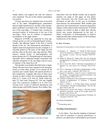 January 1999 in “Journal of the European Academy of Dermatology and Venereology”
 RAPK is a rare skin disorder with pigmented spots, mainly on hands and feet, starting in youth.
175 citations
,
September 1998 in “British Journal of Dermatology” Keratin 17 gene mutations cause both steatocystoma multiplex and pachyonychia congenita type 2.
26 citations
,
April 1996 in “Journal of Investigative Dermatology” 3 citations
,
April 2012 in “Cancer research” Mouse skin cancer progression involves a unique group of cells marked by ABCG2 and MTS24.
 August 2015 in “MOJ proteomics & bioinformatics”
 ePUKs could be valuable for regenerative medicine due to their wound healing abilities.
CRH causes hair loss by reducing cell survival in hair follicles.
 64 citations
,
January 2010 in “The FASEB Journal”
64 citations
,
January 2010 in “The FASEB Journal” Prolactin affects the production of different keratins in human hair, which could lead to new treatments for skin and hair disorders.
 30 citations
,
December 2011 in “Journal of biological chemistry/The Journal of biological chemistry”
30 citations
,
December 2011 in “Journal of biological chemistry/The Journal of biological chemistry” Keratin 17 is modified by RSK1 in response to growth and stress, affecting skin growth and stress response.
 6 citations
,
April 2010 in “Cellular Reprogramming”
6 citations
,
April 2010 in “Cellular Reprogramming” Pig skin cells can turn into mesodermal cells but lose their ability to become neural cells.

CaBP1 and 2 are important for maintaining the activity of calcium channels necessary for hearing in inner ear cells.
July 2024 in “Journal of Investigative Dermatology” PRP preparation partially activates platelets, causing varied growth factor release.
January 2019 in “Columbia Academic Commons (Columbia University)” TRPV3 and TRPV6 channels change structure to regulate calcium and heat responses.
 1 citations
,
August 2023 in “Biomolecules & therapeutics”
1 citations
,
August 2023 in “Biomolecules & therapeutics” HAPLN1 can promote hair growth and may help treat hair loss.
 184 citations
,
September 2006 in “PLoS Genetics”
184 citations
,
September 2006 in “PLoS Genetics” The Apc gene is crucial for normal skin and thymus development.
58 citations
,
July 2005 in “Molecular and Cellular Biology” A specific gene segment can make mouse skin cells glow, helping study hair growth and gene effects.
GPC1 is important for blood vessel growth in hair follicles and could help treat hair loss.
1 citations
,
January 2012 The CRABP I gene in cashmere goats is highly conserved but has unique features at specific amino sites.
 4 citations
,
January 2001 in “Archives of Biochemistry and Biophysics”
4 citations
,
January 2001 in “Archives of Biochemistry and Biophysics” Activated ras can protect kidney cells from a certain substance that causes cell death.
May 2006 in “The Journal of Cell Biology” Keratin 17 is crucial for cell growth in wound healing by aiding protein synthesis.
 April 2025 in “Annals of Medicine”
 CRH can cause hair loss by promoting cell death in hair growth cells.
The scant hair in snthr-1Bao mice is likely caused by a deletion affecting the Plcd1 gene.
38 citations
,
December 2006 in “Journal of Investigative Dermatology” Keratin patterns in hair follicles help understand hair growth and potential hair and nail disorders.
 1 citations
,
February 2022 in “bioRxiv (Cold Spring Harbor Laboratory)”
1 citations
,
February 2022 in “bioRxiv (Cold Spring Harbor Laboratory)” A peptide from hair follicle stem cells promotes hair growth by activating specific skin cells.
 16 citations
,
December 2016 in “Molecular Medicine Reports”
16 citations
,
December 2016 in “Molecular Medicine Reports” Platelet-rich plasma may help hair follicle cells grow by affecting certain genes and pathways.
 60 citations
,
August 2008 in “Human molecular genetics online/Human molecular genetics”
60 citations
,
August 2008 in “Human molecular genetics online/Human molecular genetics” A position effect on the TRPS1 gene causes excessive hair growth in humans and mice.
22 citations
,
February 2012 in “Journal of Investigative Dermatology” A specific gene mutation causes severe skin and nail issues and hair loss.
September 2023 in “Journal of the American Academy of Dermatology” BAP1 mutations are rare in pediatric melanocytic tumors and may develop later in life.
8 citations
,
January 2013 in “genesis” Zfp157 is active in many mouse tissues during development and in specific adult cells.
 3 citations
,
January 2023 in “American journal of physiology. Cell physiology”
3 citations
,
January 2023 in “American journal of physiology. Cell physiology” Inward rectifier potassium channels are important in many body functions and diseases, and could be potential drug targets.