 16 citations
,
August 2019 in “Cell Proliferation”
16 citations
,
August 2019 in “Cell Proliferation” Keratinocytes help keep hair follicle cells and skin cells separate in 3D cultures, which is important for hair growth research.
 23 citations
,
December 2013 in “British Journal of Dermatology”
23 citations
,
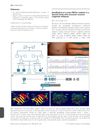
December 2013 in “British Journal of Dermatology” A new gene mutation linked to a skin condition was found in a Spanish family.
30 citations
,
February 2010 in “The journal of investigative dermatology/Journal of investigative dermatology” Plet-1 protein helps hair follicle cells move and stick to tissues.
40 citations
,
March 1991 in “Journal of Investigative Dermatology” 37 citations
,
June 2004 in “Human molecular genetics online/Human molecular genetics” The HCR gene contributes to psoriasis risk.
 46 citations
,
December 2010 in “The journal of investigative dermatology/Journal of investigative dermatology”
46 citations
,
December 2010 in “The journal of investigative dermatology/Journal of investigative dermatology” Disrupting Acvr1b in mice causes severe hair loss and thicker skin.
 1 citations
,
March 2023 in “Frontiers in Cardiovascular Medicine”
1 citations
,
March 2023 in “Frontiers in Cardiovascular Medicine” A specific gene variant is linked to heart disease, increased heart muscle, curly hair, and thick skin on palms and soles.
The gene Endothelin 3 makes mice's fur darker by increasing pigment cells and pigment levels.
37 citations
,
June 1996 in “Journal of cellular physiology” Retinoic acid, glucocorticoids, and IGF1 increase IGFBP-3 production in human dermal papilla cells, affecting hair growth.
 January 2024 in “Wiadomości Lekarskie”
 The ABI1 gene contributes to prostate cancer progression and treatment resistance.
39 citations
,
November 2005 in “The journal of investigative dermatology/Journal of investigative dermatology” Fatp4 is crucial for healthy skin development and function.
1 citations
,
January 2018 Sphingosine 1-phosphate and its receptor S1PR3 are key in controlling mechanical pain.
23 citations
,
July 2016 in “JAMA Ophthalmology” CDH3-related disease causes worsening eye and hair issues.
 April 2016 in “Journal of Investigative Dermatology”
 Removing alkaline phosphatase from human skin cells hinders the creation of new hair follicles.
14 citations
,
April 2008 in “PROTEOMICS” Increased 14-3-3 proteins may block hair cycle regression, causing hair loss.

TLR3 signaling enhances the immunosuppressive properties of human periodontal ligament stem cells.
 40 citations
,
December 2012 in “PLoS ONE”
40 citations
,
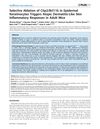
December 2012 in “PLoS ONE” Removing Ctip2 in skin cells causes skin inflammation similar to atopic dermatitis.
 January 2025 in “Cellular and Molecular Biology”
 The PIP5K1A gene helps cashmere growth in goats by promoting cell proliferation, and melatonin boosts its expression.
 37 citations
,
August 2014 in “Journal of experimental botany”
37 citations
,
August 2014 in “Journal of experimental botany” A gene in Arabidopsis thaliana, AtPRPL1, affects root hair length but not cell wall composition.
 May 2026 in “Nature Communications”
 H3K9me3 is crucial for proper skin development and structure.
March 2026 in “Experimental Dermatology” The new model helps understand and develop treatments for genetic skin disorders like AEC.
24 citations
,
December 2016 in “Stem Cell Research & Therapy” P311 helps skin stem cells become myofibroblast-like cells, aiding wound healing.
 11 citations
,
April 2020 in “Life sciences”
11 citations
,
April 2020 in “Life sciences” Pantothenic acid helps mink hair follicles grow by affecting certain cell signals.
December 2022 in “Biochemical and Biophysical Research Communications” HtrA2 activity is crucial for normal hair growth by regulating fat cell development.
6 citations
,
January 2006 in “Journal of dermatological science” Runx1 helps control the KAP5 gene in human hair follicles.
March 2026 in “Animal Models and Experimental Medicine” Gorab deficiency speeds up skin aging by disrupting protein regulation and reducing collagen.
 March 2025 in “American Journal of Medical Genetics Part A”
 A rare genetic variant linked to skin cysts was found in blood DNA, suggesting its role in cyst formation.
 September 2023 in “HAL (Le Centre pour la Communication Scientifique Directe)”
 Peptide nanoparticles can effectively deliver CRISPR-Cas9 to target KRAS mutations in cancer.
 January 2018 in “Stem cell biology and regenerative medicine”
 ATP-dependent chromatin remodeling is crucial for skin development and stem cell function.
62 citations
,
December 2007 in “Journal of Cellular and Molecular Medicine” Kremen is crucial for proper development and preventing tumors by regulating Wnt signaling.