505 citations
,
October 2011 in “Journal of clinical oncology” MK-2206 was safe and effectively blocked AKT signaling in cancer patients, warranting more trials.
 October 2025 in “Dermatology Practical & Conceptual”
 ChatGPT 4.0 and Gemini 1.5 Flash are effective for educating patients about androgenetic alopecia, while Deepseek R1 is less reliable.
15 citations
,
September 2002 in “Journal of Biological Chemistry” Abnormal keratin expression in mice causes severe oral issues, affecting feeding.
 January 2022 in “Research Square (Research Square)”
 High TSPEAR levels in colorectal cancer predict worse outcomes.
 134 citations
,
January 2011 in “Development”
134 citations
,
January 2011 in “Development” Adam10 enzyme is crucial for healthy skin and proper Notch signaling.
57 citations
,
July 2000 in “Toxicology Letters” K6/ODC transgenic mice are effective for quickly identifying cancer-causing chemicals.
 July 2024 in “New Phytologist”
 PDF2 senses specific lipids and regulates root growth and gene expression in Arabidopsis.
2 citations
,
October 2023 in “JURNAL ILMU KEFARMASIAN INDONESIA” Kenikir leaf extract nanosuspension may help inhibit breast cancer cell growth.
46 citations
,
May 2013 in “The journal of investigative dermatology/Journal of investigative dermatology” Significant progress was made in understanding PXE, but effective treatments are still needed.
12 citations
,
January 2000 in “Biochemical and Biophysical Research Communications” The study mapped keratin 15 and 19 genes, aiding future genetic disorder research.
2 citations
,
July 2004 in “Cell Biology International” uPA helps hair follicle cells grow.
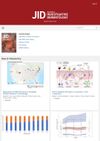 November 2022 in “Journal of Investigative Dermatology”
 Human-induced stem cell-created skin models can help understand skin diseases by studying the skin's layers.
1 citations
,
August 2009 in “Mechanisms of Development” April 2012 in “The FASEB Journal” LPA 4 helps control blood and lymph vessel development in zebrafish.
 15 citations
,
February 2021 in “Scientific Reports”
15 citations
,
February 2021 in “Scientific Reports” RNA aptamers can specifically block FGF5-related cell growth, potentially treating related diseases or hair disorders.
September 2025 in “Science Advances” PADI4 enzyme slows down cell growth in developing hair follicles.
 5 citations
,
February 2010 in “Drug development and industrial pharmacy”
5 citations
,
February 2010 in “Drug development and industrial pharmacy” Vesicles made of behenyltrimethylammonium chloride and stearic acid can triple the skin absorption of hinokitiol, which may help with hair growth.
 10 citations
,
January 2013 in “Journal of skin cancer”
10 citations
,
January 2013 in “Journal of skin cancer” PKC ε increases hair follicle stem cell turnover and may raise skin cancer risk.
10 citations
,
January 2014 in “Journal of Pharmaceutical Sciences” Balancing lipophilicity and solubility is key for effective and safe ketorolac prodrugs.
44 citations
,
May 2023 in “MedComm” PROTAC technology shows promise for cancer treatment but needs more effective E3 ligase recruiters.
 June 2024 in “British Journal of Dermatology”
 KRT14 gene variants cause dermatopathia pigmentosa reticularis, affecting nails, teeth, and hair.
3 citations
,
April 2019 in “Stem cells international” Markers CRABP1, Nestin, and Ephrin B2 are present in skin cancer environments and may influence their development.
March 2026 in “Stem Cell Reviews and Reports” 51 citations
,
December 2006 in “Mammalian Genome” 19 citations
,
January 2020 in “Journal of Biophotonics” A PEG-400/oleic acid mixture best improves drug delivery monitoring through hair follicles.
Loss of the p53 gene alone causes tumors, and losing both p53 and Rb genes speeds up aggressive skin cancer.
 July 2025 in “Frontiers in Medicine”
 Baricitinib successfully regrew hair in an 8-year-old boy with alopecia totalis linked to a KRT74 gene variant.
 9 citations
,
November 2019 in “Scientific reports”
9 citations
,
November 2019 in “Scientific reports” The AC 2 peptide from Trapa japonica fruit helps protect hair cells and may treat hair loss.
 9 citations
,
February 2022 in “Nature communications”
9 citations
,
February 2022 in “Nature communications” Rare changes in the KRT82 gene are linked to a higher risk of Alopecia Areata.
64 citations
,
February 2008 in “Cancer Research” Inactivating both p53 and Rb genes in mice speeds up aggressive skin cancer development.