 3 citations
,
January 2023 in “American journal of physiology. Cell physiology”
3 citations
,
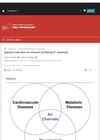
January 2023 in “American journal of physiology. Cell physiology” Inward rectifier potassium channels are important in many body functions and diseases, and could be potential drug targets.
 September 2014 in “SciBX”
 JAK inhibitors may help treat alopecia areata and promote hair regrowth.
 7 citations
,
August 2023 in “Journal of the American Academy of Dermatology”
7 citations
,
August 2023 in “Journal of the American Academy of Dermatology” JAK inhibitors offer new hope for treating severe alopecia areata.
 9 citations
,
July 2022 in “Dermatology and Therapy”
9 citations
,
July 2022 in “Dermatology and Therapy” The laser treatment effectively and safely improved keratosis pilaris.
December 2025 in “The Journal of Dermatology” Ritlecitinib effectively reduces hair loss in JAK inhibitor-naïve alopecia areata patients.
1 citations
,
November 2025 in “Journal of the American Academy of Dermatology” 5 citations
,
February 2025 in “Pediatric Dermatology” Ritlecitinib was generally well tolerated in children with alopecia areata.
 1 citations
,
December 2022 in “The Nishinihon Journal of Dermatology”
1 citations
,
December 2022 in “The Nishinihon Journal of Dermatology” Baricitinib is an effective treatment for severe alopecia areata.
December 2025 in “Journal of Cosmetic Dermatology” The new treatment improved keratosis pilaris symptoms and mood in 28 days.
8 citations
,
January 2017 in “Dermatology online journal” Tofacitinib helped psoriasis but not alopecia universalis, needing more research.
December 2025 in “Journal of Human Immunity” JAK inhibitors may help improve symptoms in adults with APECED.
24 citations
,
May 2009 in “The FASEB Journal” Akt2 and SGK3 are both important for normal hair growth and development.
 August 2023 in “International journal of research in dermatology”
 Janus kinase inhibitors are effective and generally safe for treating hair loss in adults with alopecia areata.
3 citations
,
January 2005 in “Photochemistry and Photobiology” Protein kinase C epsilon may promote skin cancer development after UV exposure by affecting nearby cells.
25 citations
,
October 2018 in “Pediatric dermatology” Ustekinumab helped three kids with alopecia areata regrow hair.
 1 citations
,
May 2017 in “Journal of the American Academy of Dermatology”
1 citations
,
May 2017 in “Journal of the American Academy of Dermatology” Tofacitinib helped a teenager with severe hair loss grow hair back, but more research is needed.
 May 2026 in “Scientific Reports”
 Kukui nut oil helps hair and eyelash growth.
 144 citations
,
March 2013 in “Circulation Research”
144 citations
,
March 2013 in “Circulation Research” K_ATP channel gene mutations are linked to heart diseases, but more research is needed to understand the connection and treatment potential.
3 citations
,
November 2024 in “Clinical Research” Deuruxolitinib is FDA-approved for treating severe alopecia areata.
 10 citations
,
January 2023 in “Acta dermato-venereologica”
10 citations
,
January 2023 in “Acta dermato-venereologica” Baricitinib and deuruxolitinib are effective for treating alopecia areata, but their efficacy depends on the dose.
 January 1999 in “Journal of the European Academy of Dermatology and Venereology”
 RAPK is a rare skin disorder with pigmented spots, mainly on hands and feet, starting in youth.
 January 2011 in “Web journal anti-aging medicine/Anti-aging medicine”
 KGS1 tablets improved skin and hair health.
April 2025 in “International Journal of Dermatology” JAK inhibitors effectively reduce alopecia areata symptoms in Black patients.
 April 2023 in “The journal of investigative dermatology/Journal of investigative dermatology”
 A PTH-based treatment improved hair regrowth better than ruxolitinib in a mouse model of hair loss.
7 citations
,
January 2022 in “SAGE open medical case reports” Upadacitinib successfully treated a child's severe skin and hair loss issues.
 10 citations
,
January 2013 in “Journal of skin cancer”
10 citations
,
January 2013 in “Journal of skin cancer” PKC ε increases hair follicle stem cell turnover and may raise skin cancer risk.
 20 citations
,
March 2019 in “Nutrients”
20 citations
,
March 2019 in “Nutrients” Rumex japonicus Houtt. may be an effective treatment for atopic dermatitis by reducing inflammation.
 December 2025 in “International Journal of Innovative Technologies in Social Science”
 Oral JAK inhibitors effectively treat alopecia areata and are generally well-tolerated.
7 citations
,
September 2024 in “The Journal of Dermatology” Ritlecitinib helps regrow hair in people with alopecia totalis and universalis and is safe to use.
March 2026 in “Immunological Medicine” Janus kinase inhibitors help some people with severe alopecia areata regrow hair, but not everyone responds, and relapses can happen.