28 citations
,
January 2005 in “PubMed” Topical immunomodulators are effective and safe for treating immune-related skin conditions.
January 2010 in “Journal of Animal Science” Transcutaneous vaccination using nanoparticles can enhance immune responses and reduce basal cell carcinomas.
September 2025 in “Cell Reports” Skin stretching can improve vaccine delivery through hair follicles and boost immune response.
38 citations
,
May 1982 in “PubMed” Intralesional steroid injections can effectively treat calcinosis and ulcers in scleroderma.
159 citations
,
July 2014 in “Molecular pharmaceutics” New micelle nanocarriers deliver Tacrolimus more effectively to skin layers for psoriasis treatment than the current Protopic ointment.
 February 2021 in “Dermatologic Therapy”
 Injections improve hair growth, density, and thickness in women safely.
 May 2026 in “Journal of Nanobiotechnology”
 A new peptide delivered through microneedles can effectively promote hair regrowth.
 7 citations
,
December 2020 in “Dermatologic Therapy”
7 citations
,
December 2020 in “Dermatologic Therapy” Injections with 0.5% minoxidil effectively treat female hair loss, increasing hair density and thickness.
 16 citations
,
January 2019 in “Skin appendage disorders”
16 citations
,
January 2019 in “Skin appendage disorders” Intralesional corticosteroids work best for mild alopecia areata, and DPCP works best for moderate to severe cases.
2 citations
,
June 2016 in “European Journal of Plastic Surgery” Dermal filler injections can cause complications like swelling and infections, often appearing years later.
 12 citations
,
December 2018 in “Clinical Ophthalmology”
12 citations
,
December 2018 in “Clinical Ophthalmology” Latanoprostene bunod effectively lowers eye pressure and is better tolerated than other glaucoma medications.
109 citations
,
November 1987 in “Archives of dermatology” Anthralin cream helped 25% of patients with severe alopecia areata regrow hair, but caused skin irritation.
64 citations
,
April 2005 in “Journal of Investigative Dermatology” Topical oligonucleotide therapy targets hair follicles effectively.
 January 2023 in “Dermatologic therapy”
 Diphenylcyclopropenone topical immunotherapy is effective for treating alopecia areata, with some side effects.
 June 2025 in “ACS Biomaterials Science & Engineering”
 A new method using hydrogels and microneedle patches improves minoxidil delivery for better hair growth.
 5 citations
,
July 2014 in “Actas dermo-sifiliográficas/Actas dermo-sifiliográficas”
5 citations
,
July 2014 in “Actas dermo-sifiliográficas/Actas dermo-sifiliográficas” Latanoprost eye drops caused excessive hair growth and eyelash whitening in a woman.
20 citations
,
March 2021 in “Drug design, development and therapy” Topical immunotherapy can treat alopecia areata, but its effectiveness varies and the exact mechanism is unclear.

Botulinum toxin type A reduces itch and inflammation from histamine and may help treat certain skin conditions and hair loss.
January 2021 in “Global Dermatology” Cellcurex™ treatment increased hair growth and thickness but caused pain and bleeding.
9 citations
,
July 2010 in “Pediatric dermatology” Corticosteroids worked better than anthralin cream for hair regrowth.
 November 2025 in “Journal of Multidisciplinary Healthcare”
 Combining fire needle therapy with doxycycline improves severe acne more than doxycycline alone.
2 citations
,
March 2025 in “International Journal of Dermatology” Tralokinumab successfully treated alopecia areata in a patient with atopic dermatitis.
 November 2010 in “Value in Health”
 Real-life dosing of biologics for plaque psoriasis often deviates from recommended guidelines, especially for high-need patients.
49 citations
,
July 2007 in “Ophthalmic Plastic and Reconstructive Surgery” Surgical excision is an effective treatment for persistent nodules from poly-L-lactic acid injections.
1 citations
,
June 2019 in “Journal of Cutaneous Immunology and Allergy” Squaric acid dibutylester can cause severe skin reactions in people with allergies.
 August 2023 in “JAAD international”
 Pediatric dermatologists have varied preferences for treating alopecia areata in children, with no standard FDA-approved treatments and some using JAK inhibitors despite risks.
 5 citations
,
September 1989 in “Journal of The American Academy of Dermatology”
5 citations
,
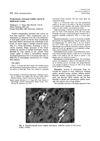
September 1989 in “Journal of The American Academy of Dermatology” Talc in street cocaine can cause immune-reactive skin nodules where injected.
 39 citations
,
April 2001 in “Journal of The American Academy of Dermatology”
39 citations
,
April 2001 in “Journal of The American Academy of Dermatology” Latanoprost, a glaucoma medication, caused excessive eyelid hair growth in many patients.
 June 2020 in “Annals of the Rheumatic Diseases”
 Patients need better information about the risks of long-term steroid use.
 January 2026 in “Drug Delivery and Translational Research”
 Multicomponent crystals in microneedles improve drug delivery for hair loss treatment.