May 2025 in “International Journal of Biological Macromolecules” A new microneedle treatment shows promise for better hair regrowth in androgenetic alopecia.
October 2025 in “Journal of Cosmetic Dermatology” Botulinum toxin Type A helps reduce hypertrophic scars and is generally safe.
 June 2023 in “Journal of cosmetic dermatology”
 A woman developed skin lesions after PRP injections, possibly linked to COVID-19 infection and vaccination.
 5 citations
,
January 2021 in “Inflammatory Bowel Diseases”
5 citations
,
January 2021 in “Inflammatory Bowel Diseases” Tofacitinib improved ulcerative colitis, skin ulcers, and hair loss in a patient who didn't respond well to other treatments.
 January 2024 in “Clinical and Experimental Vaccine Research”
 Rabies vaccine might cause hair loss due to immune issues.
 38 citations
,
February 2005 in “The journal of sexual medicine”
38 citations
,
February 2005 in “The journal of sexual medicine” The testosterone patch and gel are both effective, but they have different absorption patterns and effects on hormone levels.
 30 citations
,
August 2009 in “Journal of the American Academy of Dermatology”
30 citations
,
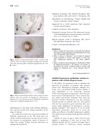
August 2009 in “Journal of the American Academy of Dermatology” Bimatoprost is safe but not effective for severe eyelash loss from alopecia areata, possibly helping those with less loss.
 49 citations
,
April 1997 in “Human reproduction”
49 citations
,
April 1997 in “Human reproduction” Hormone therapy for excessive hair growth is as good with GnRHa as with high-dose CPA, but GnRHa has longer-lasting results.
 July 2017 in “Nursing2023”
 Actemra is approved for a specific artery condition, HIV treatment adherence has improved, women may pay more for a hair loss product, and incorrect dosing of blood thinners can be risky.
 49 citations
,
December 2018 in “JAAD case reports”
49 citations
,
December 2018 in “JAAD case reports” Dupilumab may cause significant hair loss, which can reverse after stopping the drug.
January 2016 in “Çağdaş tıp dergisi” Topical 1% pimecrolimus effectively treated alopecia areata.
20 citations
,
November 2017 in “JAAD case reports” Ustekinumab significantly improved psoriasis, vitiligo, and alopecia areata in a patient.
1 citations
,
January 1985 in “Protides of the biological fluids” Injecting monocyto-angiotropin into hare skin increases hair growth by forming new blood vessels.
 December 2025 in “Cosmoderma”
 Systemic corticosteroids help manage vitiligo by slowing progression and aiding repigmentation.
 July 2024 in “International Journal of Medical Arts”
 Latanoprost is more effective than minoxidil for treating alopecia areata.
 August 2024 in “Journal of Cosmetic Dermatology”
 Injectable treatments can effectively and safely improve hair growth in adults with androgenetic alopecia.
2 citations
,
December 2024 in “International Journal of Pharmaceutics” Microneedles offer a painless, effective, and easy-to-use hair loss treatment.
 January 2025 in “Dermatologic Surgery”
 Botulinum toxin injections can safely increase hair count in androgenetic alopecia.
January 2025 in “Updates in clinical dermatology” COVID-19 and its vaccine can cause skin issues, but most are minor and resolve on their own.
July 2025 in “Actas Dermo-Sifiliográficas” Botulinum toxin A does not significantly improve hair density or thickness in androgenetic alopecia.
1 citations
,
June 1959 in “A M A Archives of Dermatology” Methyl prednisolone helps most patients with alopecia universalis regrow hair.
48 citations
,
April 2021 in “Journal of the American Academy of Dermatology” Topical corticosteroids are the best initial treatment for children's alopecia areata.
3 citations
,
January 2011 in “Indian Journal of Dermatology Venereology and Leprology” Switching to a twice-weekly betamethasone treatment led to full hair regrowth in alopecia areata without side effects.
 15 citations
,
July 2002 in “Australasian Journal of Dermatology”
15 citations
,
July 2002 in “Australasian Journal of Dermatology” Two plywood factory workers developed contact dermatitis from phenol-formaldehyde resin, a known allergen.

Betamethasone dipropionate lotion is more effective than minoxidil solution for treating Alopecia Areata.
July 2024 in “Journal of Investigative Dermatology” PH-762 shows promise in treating skin cancer by effectively targeting and silencing PD-1 in tumors with minimal side effects.

BMD-1141 effectively regrows hair in alopecia areata with less frequent dosing than current treatments.
 1 citations
,
January 2023 in “Przegląd Dermatologiczny”
1 citations
,
January 2023 in “Przegląd Dermatologiczny” The Polish Society of Dermatology recommends treatments for alopecia areata that vary by severity, including topical and systemic medications, with long-term maintenance important for management.
 June 2025 in “Clinical Cosmetic and Investigational Dermatology”
 Combining corticosteroids and minoxidil can quickly regrow hair lost from radiation.
 1 citations
,
March 2023 in “Frontiers in Medicine”
1 citations
,
March 2023 in “Frontiers in Medicine” Topical prostaglandin analogs may help with hair growth but more research is needed.