5 citations
,
January 2004 in “Journal of applied polymer science” Urea helps hair dye penetrate better and last longer.
6 citations
,
October 2003 in “Journal of applied polymer science” A new method using poly(ethylene imine) improves hair dyeing at lower temperatures with better color retention.
1 citations
,
September 2008 in “International Journal of Cosmetic Science” Using chelants in hair dye reduces fiber damage by preventing harmful radicals.

Hair coloring and bleaching can permanently break down hair protein and temporarily change its properties.
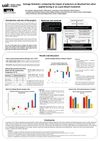 June 2017 in “University of the Arts London Research Online (University of the Arts London)”
 Polymers help reduce damage and improve bleached hair when used during or after bleaching.
 May 2026 in “Brazilian Journal of Hair Health”
 Bleaching damages hair the most, while dyes improve combability but still cause protein loss.
April 2018 in “Blackwell's Five‐Minute Veterinary Consult Clinical Companion” The document provides a guideline to help identify skin conditions in small animals based on lesion characteristics.
 January 2017 in “Clinical approaches and procedures in cosmetic dermatology”
 Cosmetic procedures can harm hair, but damage can be minimized with knowledge and care; however, once hair is damaged, it cannot be reliably repaired.
 January 2025 in “International Journal of Cosmetic Science”
 Citric acid strengthens and improves damaged hair.
198 citations
,
November 1989 in “The Journal of Cell Biology” Keratin K14 expression varies between hair follicles and epidermis, affecting cell differentiation.
35 citations
,
May 2011 in “Experimental Dermatology” Aging causes changes in hair follicles, leading to weaker hair growth.
 November 2025 in “Zenodo (CERN European Organization for Nuclear Research)”
 Hair dyeing changes hair structure, but new technologies help protect hair while coloring.
 November 2025 in “Zenodo (CERN European Organization for Nuclear Research)”
 Oxidative dyes damage hair more than semi-permanent dyes, but new technologies help protect hair while coloring.
 November 2025 in “International Journal of Science and Research Archive”
 Oxidative dyes damage hair more than semi-permanent dyes, but new technologies help protect hair while coloring.
21 citations
,
June 2003 in “Journal of Morphology” Monotreme and marsupial skin proteins show primitive features and species-specific differences compared to placental mammals.

Key genes for mink fur have been identified, aiding conservation efforts.
January 2014 in “China Feed” Higher expression of the keratin-associated protein 8.1 gene in Liaoning cashmere goats is linked to finer cashmere fibers.
2 citations
,
July 2013 in “Fashion business” Keratin essence protects and improves damaged hair.
 December 2023 in “Royal Society of Chemistry eBooks”
 Nails are a useful alternative to hair for analyzing long-term substance exposure.
42 citations
,
July 2021 in “Frontiers in Cell and Developmental Biology” Oral mucosa heals with minimal scarring, offering insights for scarless wound healing.
February 2015 in “American journal of medical and biological research” Balding hair follicles have less growth-promoting factors and more inhibitory factors, leading to hair loss.
July 2022 in “Journal of Investigative Dermatology” TRPS1 loss in balding scalp areas contributes to hair loss in androgenic alopecia.
34 citations
,
June 2020 in “British journal of dermatology/British journal of dermatology, Supplement” Frontal fibrosing alopecia is linked to increased immune system activity and reduced stem cells, suggesting early treatment targeting this pathway might prevent hair follicle damage.
 3 citations
,
March 2024 in “Discover Applied Sciences”
3 citations
,
March 2024 in “Discover Applied Sciences” Spirulina proteins can improve hair smoothness and strength in hair care products.
26 citations
,
August 2014 in “Veterinary Dermatology” Sphynx cats have abnormal hair follicles and keratinization affecting their skin.
 5 citations
,
February 2019 in “PloS one”
5 citations
,
February 2019 in “PloS one” Bald thigh syndrome in sighthounds is caused by structural defects in hair shafts due to downregulated genes and proteins.
5 citations
,
March 2017 in “Gene” CAP1 decreases the expression of a hair-related protein in young Tan sheep's skin.
1 citations
,
July 2023 in “Journal of developmental biology” Bird foot scales develop differently and can repair but not fully regenerate due to the lack of specialized stem cell areas.
October 2024 in “UNESP Institutional Repository (São Paulo State University)” Straightening and dyeing damage hair structure.
7 citations
,
April 1996 in “British Journal of Dermatology” Hair structural proteins are synthesized sequentially in specific cells, offering a new way to study hair proteins and defects.