33 citations
,
February 2024 in “International Journal of Molecular Sciences” Understanding fibroblast issues in diabetic foot ulcers is key to creating better treatments.
24 citations
,
December 2023 in “Gels” 3D-printed hydrogels show promise in medicine but face challenges in resolution, cell viability, cost, and regulations.
8 citations
,
November 2019 in “Tissue Engineering Part A” Functionalized collagen scaffolds applied prenatally greatly improve skin regeneration.
8 citations
,
July 2019 in “The journal of investigative dermatology/Journal of investigative dermatology” Curly hair is mechanically different from straight hair and may need new testing methods.
5 citations
,
December 2018 in “Frontiers in Endocrinology” Differences in androgen receptor expression and tissue properties may lead to higher cryptorchidism risk in certain rats.
 3 citations
,
December 2022 in “npj Regenerative Medicine”
3 citations
,
December 2022 in “npj Regenerative Medicine” HSPGs help control stem cell behavior, affecting hair growth and offering a target for hair loss treatments.
3 citations
,
May 2013 in “International journal of molecular sciences” Epidermal stem cells show promise for treating orthopedic injuries and diseases.
 2 citations
,
August 2023 in “Marine drugs”
2 citations
,
August 2023 in “Marine drugs” Collagen from tilapia scales may improve hair and skin health by reducing stress and inflammation and encouraging hair growth.
February 2026 in “Advanced Sensor Research” Advanced technologies can improve understanding and monitoring of skin-brain interactions.
 January 2026 in “Preprints.org”
 Mimicking fetal wound environments may enable scarless healing in adults.
December 2025 in “Advanced Healthcare Materials” The Spherical Skin Model improves drug and cosmetic testing by accurately mimicking human skin for efficient compound screening.
33 citations
,
September 2018 in “Frontiers in Microbiology” Human hair shafts inhibit Gram-positive bacteria growth but not Gram-negative bacteria.
71 citations
,
September 2013 in “Materials Science and Engineering C” Keratin-based hydrogels from human hair and wool are promising for wound dressings and are more eco-friendly.
 October 2023 in “Journal of Molecular Liquids”
 A new method using imidazole-based liquids efficiently extracts keratin from yak hair.

YH0618 helps reduce chemotherapy-induced hair loss by targeting specific proteins and pathways.
The hair masks are safe, stable, and effective for hair care.
May 2026 in “International Journal of Cosmetic Science” A plant-based treatment from Avena strigosa seeds effectively repairs and strengthens damaged hair.
 13 citations
,
December 2019 in “Nutrients”
13 citations
,
December 2019 in “Nutrients” An apple-based supplement was found to stimulate hair protein production, which may help with hair growth.
 1 citations
,
September 2022 in “River Publishers eBooks”
1 citations
,
September 2022 in “River Publishers eBooks” The document concludes that hair keratin-chitosan scaffolds were successfully made and are suitable for biomedical use.
 August 2023 in “Drug Delivery and Translational Research”
 Human hair keratin was used to create a scaffold that could help with skin repair.
12 citations
,
June 2013 in “International Journal of Dermatology” Seborrheic keratosis shows varied cell differentiation, and keratin analysis helps diagnose skin tumors.
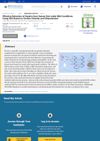 December 2023 in “ACS Sustainable Chemistry & Engineering”
 Keratin can be successfully taken from human hair using a mix of choline chloride and ethanolamine.
7 citations
,
January 2011 in “Biochemistry Research International” Hard α-keratin has a universal molecular structure with a specific superlattice arrangement.
November 2025 in “Advanced Healthcare Materials” Charge-conversion chemistry improves hair-rebonding by enhancing penetration and strength.
March 2026 in “Advanced Healthcare Materials” 5 citations
,
June 2008 in “British Journal of Dermatology” 72 citations
,
August 2014 in “Genome Biology and Evolution” Feather diversity is due to different keratin gene combinations, and chickens can help study human keratin diseases.
 9 citations
,
February 2005 in “The journal of investigative dermatology/Journal of investigative dermatology”
9 citations
,
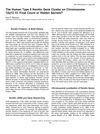
February 2005 in “The journal of investigative dermatology/Journal of investigative dermatology” The document concludes that the human keratin gene cluster is complex, with a need for updated naming to reflect over 50 functional genes important for hair and skin biology.
February 2022 in “Fibers” Scientists created a non-toxic, sugar-based hair product that can style hair without damage.
69 citations
,
January 2015 in “Cell & tissue research/Cell and tissue research” Keratin mutations cause skin diseases and could lead to new treatments.