April 2019 in “C&EN global enterprise” A microneedle patch can help hair regrow.
 2 citations
,
January 2014 in “Sen i Gakkaishi”
2 citations
,
January 2014 in “Sen i Gakkaishi” The new hair straightening method keeps hair straight permanently by using specific creams and heat.

Keratin hydrogels from human hair show promise for tissue engineering and regenerative medicine.
 7 citations
,
March 2014 in “ISRN Biomaterials”
7 citations
,
March 2014 in “ISRN Biomaterials” Keratin hydrogel from human hair helps rats recover better from spinal cord injuries.
 30 citations
,
June 2024 in “Scientific Reports”
30 citations
,
June 2024 in “Scientific Reports” The hydrogel shows promise for wound healing due to its strong mechanical, antimicrobial, and antioxidant properties.
 19 citations
,
November 2017 in “Journal of Pharmaceutical Sciences”
19 citations
,
November 2017 in “Journal of Pharmaceutical Sciences” A new gel containing minoxidil can treat hair loss effectively, potentially reducing side effects and improving treatment.
 41 citations
,
July 2020 in “Colloids and surfaces. B, Biointerfaces”
41 citations
,
July 2020 in “Colloids and surfaces. B, Biointerfaces” Different hair protein amounts change the strength of keratin/chitosan gels, useful for making predictable tissue engineering materials.
January 2016 in “Frontiers in Bioengineering and Biotechnology” A wool hair keratin hydrogel is promising for growing cells and tissue engineering.
89 citations
,
April 2015 in “Materials Science and Engineering C” Keratin-based hydrogels from human hair improve wound healing effectively.
106 citations
,
December 2015 in “Biomacromolecules” Keratin hydrogels can be customized for better tissue healing.
 48 citations
,
July 2019 in “International Journal of Biological Macromolecules”
48 citations
,
July 2019 in “International Journal of Biological Macromolecules” A new hydrogel with stem cells from human umbilical cords improves skin wound healing and reduces inflammation.
 9 citations
,
December 2024 in “Nano Research”
9 citations
,
December 2024 in “Nano Research” A protein-based hydrogel helps heal diabetic wounds and repair nerves.
1 citations
,
October 2022 in “Bioengineering” Keratin helps skin cells mature when added to a collagen mix, which could be important for skin and hair health.
105 citations
,
May 2013 in “Biomaterials” Human hair keratin hydrogel may aid nerve repair better than traditional methods.
12 citations
,
October 2015 in “Journal of bioactive and compatible polymers” Keratin hydrogel from human hair is a promising biocompatible material for soft tissue fillers.
75 citations
,
September 2015 in “Acta biomaterialia” Alkylation of human hair keratin allows for adjustable drug release rates in hydrogels for medical use.
 13 citations
,
May 2016 in “International journal of biological macromolecules”
13 citations
,
May 2016 in “International journal of biological macromolecules” Keratin's mechanical properties are influenced by hydrogen bonds and secondary structure, and can be improved with the SPD-2 peptide.
83 citations
,
May 2021 in “Biomolecules” The 5/G hydrogel effectively improves diabetic wound healing.
 6 citations
,
June 2022 in “Frontiers in Bioengineering and Biotechnology”
6 citations
,
June 2022 in “Frontiers in Bioengineering and Biotechnology” The gel with icariin speeds up wound healing, reduces scarring, and helps hair growth by controlling BMP4 signaling. It also reduces inflammation and improves wound quality in mice, adapts to different wound shapes, and gradually releases icariin to aid healing. It also prevents too much collagen and myofibroblast formation during skin healing.
June 2025 in “Advances in Clinical and Experimental Medicine” Keratin biomaterials could help heal wounds and regenerate tissue, but more testing is needed.
 14 citations
,
September 1954 in “Textile Research Journal”
14 citations
,
September 1954 in “Textile Research Journal” Hair absorbs different substances from solutions based on pH levels.
 December 2023 in “The journal of physical chemistry. B (1997 : Online)”
 Human hair keratin might be good for filtering out harmful substances from water.
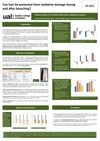 September 2018 in “University of the Arts London Research Online (University of the Arts London)”
 L-arginine, hydrolysed keratin, and cystine-silanol copolymer can help protect hair from damage during and after bleaching.
 140 citations
,
August 2011 in “Biomaterials”
140 citations
,
August 2011 in “Biomaterials” Keratose, derived from human hair, is a non-toxic biomaterial good for tissue regeneration and integrates well with body tissues.
24 citations
,
October 2019 in “Genes” A new sheep gene, KRTAP36-1, may help breed sheep with better wool by reducing prickle factor.
 January 2024 in “Molecules (Basel. Online)”
 Juglone from walnut extracts may help repair damaged hair.
 19 citations
,
January 2009 in “International review of cell and molecular biology”
19 citations
,
January 2009 in “International review of cell and molecular biology” Hair's strength and flexibility come from its protein structure and molecular interactions.
16 citations
,
October 2021 in “Trends in biotechnology” Future hair products will use ecofriendly proteins and peptides to improve hair health and appearance.
 May 2026 in “Brazilian Journal of Hair Health”
 Bleaching damages hair the most, while dyes improve combability but still cause protein loss.
March 2026 in “Journal of the mechanical behavior of biomedical materials/Journal of mechanical behavior of biomedical materials” Hair cuticles remain stable and resilient under stress due to strong protein content and crosslinking.