 December 2012 in “Journal of Dermatological Science”
 Wnt/beta-catenin signaling in the skin helps fat cell development during hair growth and repair.
March 2007 in “International Society of Hair Restoration Surgery” Caffeine may help hair grow and manage hair loss.
May 2005 in “Faculty Opinions – Post-Publication Peer Review of the Biomedical Literature” Truncated LTBP-1 disrupts TGF-beta signaling, affecting hair growth.
January 2023 in “Iranian Journal of Pharmaceutical Research” Stauntonia hexaphylla extract can help treat hair loss by blocking certain hormones.
June 2021 in “European journal of medical and health sciences” PRP therapy is a safe and effective treatment for hair loss.

Integrin alphavbeta6 is important for wound healing and hair growth, and blocking it may improve these processes.
84 citations
,
February 2015 in “Experimental Dermatology” PPARγ is crucial for skin health but can have both beneficial and harmful effects.
 11 citations
,
July 2021 in “Nanomaterials”
11 citations
,
July 2021 in “Nanomaterials” Wound covers with α-13'-COOH from vitamin E can improve and speed up wound healing.
 January 2012 in “Durham e-Theses (Durham University)”
 Keratin 15 affects cell behavior and characteristics in skin cells.
 June 2008 in “Dermatologic Surgery”
 Hydrogen peroxide may have both positive and negative effects on wound healing, and its safe concentration for hair transplant surgery is unclear.
51 citations
,
January 2004 in “European Journal of Cell Biology” Human cathepsin V can replace mouse cathepsin L to maintain normal skin and hair in mice.
 36 citations
,
March 2011 in “Nature Communications”
36 citations
,
March 2011 in “Nature Communications” Cells from a skin condition can create new hair follicles and similar growths in mice, and a specific treatment can reduce these effects.
32 citations
,
January 2010 in “Journal of Dermatological Science” Reduced EGFR signaling delays hair cycle and reduces fat growth, but hair development remains normal.
 27 citations
,
July 2018 in “Experimental dermatology”
27 citations
,
July 2018 in “Experimental dermatology” Autophagy is crucial for normal sebaceous gland function and sebum composition.
 25 citations
,
September 2018 in “Molecular Biology of the Cell”
25 citations
,
September 2018 in “Molecular Biology of the Cell” Blocking Wnt/β-catenin signaling with EGF receptor is necessary for proper hair growth.
23 citations
,
July 2022 in “Nature Cell Biology” Targeting THY1 can improve skin repair and healing.
23 citations
,
July 2020 in “Aging Cell” Aging changes sugar molecules on skin stem cells, which may affect their ability to repair skin.
 20 citations
,
February 2016 in “American Journal of Pathology”
20 citations
,
February 2016 in “American Journal of Pathology” The genes OVOL1 and OVOL2 are important for hair growth and may be involved in a type of skin tumor.
 12 citations
,
March 2018 in “Australasian Journal of Dermatology”
12 citations
,
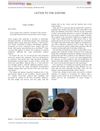
March 2018 in “Australasian Journal of Dermatology” Minoxidil treatment can reduce hair shedding, increase hair volume, and even change hair color in patients with loose anagen hair syndrome.
12 citations
,
July 2015 in “Experimental Dermatology” Gasdermin A3 overexpression in skin causes inflammation and hair loss.
11 citations
,
January 1988 in “PubMed” Epidermal cell extracts improve skin healing and reduce scarring.
 6 citations
,
August 2019 in “PLOS ONE”
6 citations
,
August 2019 in “PLOS ONE” Gambogic Amide helps maintain hair color and promotes hair growth.
 February 2026 in “Preprints.org”
 Beer yeast vesicles may improve hair follicle health.
 November 2024 in “Research Square (Research Square)”
 Moracin M boosts hair growth by activating key pathways and promoting cell growth.
July 2021 in “Plastic and reconstructive surgery. Global open” Radiation therapy in breast cancer patients changes gene expression related to DNA damage, fibroblast growth, and hair follicle development, which could help improve treatment for radiation-induced fibrosis.
 April 2018 in “The journal of investigative dermatology/Journal of investigative dermatology”
 Blue light can help hair grow by affecting certain receptors in hair follicles.
 January 2018 in “Open access journal of pharmaceutical research”
 Biofield Energy Healing may increase hair growth by enhancing cell proliferation.
 April 2016 in “Journal of Investigative Dermatology”
 Lymphoid-specific helicase (Lsh) is crucial for skin growth, change, and healing after injury.
September 2004 in “Experimental Dermatology” Key signals like Wnt and β-catenin are crucial for skin and hair development, with potential for treating skin disorders.
1 citations
,
March 2019 in “Hygiene and Sanitation” Heavy metals can damage skin and hair in mice.