3 citations
,
March 2013 in “American Journal of Dermatopathology” Ossification in trichilemmal cysts is more common than previously believed.
 3 citations
,
January 1988 in “PubMed”
3 citations
,
January 1988 in “PubMed” The review found that basal cell carcinomas on the scalp are not more aggressive than those in other locations.
 6 citations
,
July 2011 in “British Journal of Dermatology”
6 citations
,
July 2011 in “British Journal of Dermatology” A man with KID syndrome developed a rare cancer in a long-term skin infection.
October 2025 in “The Sri Lanka Journal of Dermatology” Inverted follicular keratosis can look like cancer but is actually a harmless tumor.
July 2018 in “Elsevier eBooks” Early treatment is key to prevent permanent hair loss from scalp conditions that cause scarring.
80 citations
,
January 1979 in “Journal of Surgical Oncology” Keratoacanthoma is a common, usually non-dangerous skin tumor that looks like squamous cell carcinoma but rarely becomes severe.
 13 citations
,
July 2007 in “Pediatric dermatology”
13 citations
,
July 2007 in “Pediatric dermatology” Vitamin D3 ointment improved skin bumps on the chin but didn't give lasting results after stopping use.
 32 citations
,
February 2008 in “Journal of the American Academy of Dermatology”
32 citations
,
February 2008 in “Journal of the American Academy of Dermatology” KFSD is a genetic disorder causing hair loss and skin issues, with no effective treatment.
 August 2018 in “Journal of The American Academy of Dermatology”
 A 5-year-old girl with a rare skin disorder was effectively treated with skin creams instead of oral medication.
 February 2026 in “Clinical Cosmetic and Investigational Dermatology”
 Inverted Follicular Keratosis is rare but should be considered in scalp lesion diagnoses for all ages.
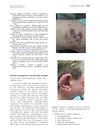
A 72-year-old man was diagnosed with a rare skin form of Rosai-Dorfman disease after years of misdiagnosis.
 January 2018 in “Elsevier eBooks”
 Topical imiquimod is as effective as 5-fluorouracil for treating actinic keratosis, with about a 5% risk of it turning into squamous cell carcinoma.
 65 citations
,
November 2016 in “Journal of The American Academy of Dermatology”
65 citations
,
November 2016 in “Journal of The American Academy of Dermatology” The document concludes that early recognition and treatment of primary cicatricial alopecia is crucial to prevent permanent hair loss.
 47 citations
,
December 2020 in “Journal of the European Academy of Dermatology and Venereology”
47 citations
,
December 2020 in “Journal of the European Academy of Dermatology and Venereology” The document concludes that understanding and treating hair loss requires recognizing its various types and using appropriate diagnostic tools and treatments.
 1 citations
,
April 2010 in “Expert Review of Dermatology”
1 citations
,
April 2010 in “Expert Review of Dermatology” The document concludes that early diagnosis and treatment are crucial for managing rare hair loss disorders and that more research is needed to improve treatment strategies.
 November 2019 in “Harper's Textbook of Pediatric Dermatology”
 Understanding normal hair growth and loss in children is key to diagnosing and treating hair disorders.
 May 2017 in “InTech eBooks”
 Some hair loss disorders cause permanent loss due to scarring, and treatments like steroids don't always work well.

The chapter explains that there are many genetic skin disorders affecting skin cell formation, including both common and rare types.
 November 1966 in “British Journal of Dermatology”
 The meeting discussed various skin conditions, treatments, and unusual cases, highlighting the effectiveness of tetracycline in treating rosacea.
 18 citations
,
October 2012 in “Dermatologic Clinics”
18 citations
,
October 2012 in “Dermatologic Clinics” Early diagnosis and aggressive treatment are key for managing rare scalp disorders that cause permanent hair loss.
 2 citations
,
December 2017 in “Skin appendage disorders”
2 citations
,
December 2017 in “Skin appendage disorders” An elderly man's non-healing scalp lesion was successfully treated with a strong topical steroid.
 January 2019 in “Springer eBooks”
 Acne can appear or persist in adulthood due to hormonal changes, external factors, or substance use, and requires appropriate treatment.
 August 2018 in “Journal of The American Academy of Dermatology”
 A 16-year-old girl's skin rash was likely caused by an infection and improved with topical steroids.
 August 2018 in “Journal of The American Academy of Dermatology”
 A 54-year-old man with painful skin blisters and fever was diagnosed with Sweet syndrome and successfully treated with corticosteroids.
5 citations
,
August 2000 in “Archives of Pathology & Laboratory Medicine” The nodule on the woman's back was a benign hair follicle tumor, not cancer, but needed removal.
 26 citations
,
March 2014 in “Journal of cutaneous medicine and surgery”
26 citations
,
March 2014 in “Journal of cutaneous medicine and surgery” Topical vitamin D is useful for some skin conditions but not effective for others, and more research is needed.
 14 citations
,
October 2019 in “International Journal of Women's Health”
14 citations
,
October 2019 in “International Journal of Women's Health” Menopausal acne is treated with medications and lifestyle changes, but careful choice is needed due to side effects.
 8 citations
,
May 1998 in “Journal of Oral and Maxillofacial Surgery”
8 citations
,
May 1998 in “Journal of Oral and Maxillofacial Surgery” Acne is caused by increased sebum, abnormal skin shedding, bacteria, and inflammation, not dirt; treatments vary from creams to antibiotics or isotretinoin, with severe cases needing a dermatologist's care.
 6 citations
,
July 2006 in “International Journal of Dermatology”
6 citations
,
July 2006 in “International Journal of Dermatology” Football players can get many skin conditions from their sport, which need different treatments and can be prevented with good hygiene and protection.
 1 citations
,
April 2024 in “Dermatology Practical & Conceptual”
1 citations
,
April 2024 in “Dermatology Practical & Conceptual” Thick scalp melanoma can be hard to diagnose because it often looks like other skin conditions.