 24 citations
,
May 2013 in “Drug Design Development and Therapy”
24 citations
,
May 2013 in “Drug Design Development and Therapy” Multimodal minoxidil microemulsion is more effective in treating hair loss than minoxidil alone.
Low-dose oral minoxidil is effective for treating hair loss with personalized plans and safety monitoring.
38 citations
,
January 1993 in “PubMed” Minoxidil was crucial in advancing scientific research and treatments for hair loss.
 2 citations
,
October 2020 in “Más dermatología”
2 citations
,
October 2020 in “Más dermatología” Choose between topical and oral minoxidil for hair growth based on personal tolerance and side effects.
2 citations
,
March 1989 in “International Journal of Dermatology” 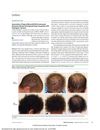 5 citations
,
July 2020 in “JAMA Dermatology”
5 citations
,
July 2020 in “JAMA Dermatology” Minoxidil solution applied twice daily improved hair growth in patients with Woolly Hair/Hypotrichosis due to LIPH gene issues, with mild side effects.
4 citations
,
January 2009 in “International journal of trichology” Minoxidil topical foam is a better, less irritating treatment for hair loss.
 May 2026 in “Revista Ensaios Pioneiros”
 A topical solution with minoxidil and rosemary oil may help treat hair loss.
October 2024 in “Actas Dermo-Sifiliográficas” Sublingual minoxidil is safe and well-tolerated for hair loss treatment.
Low-dose oral minoxidil is safe and effective for treating hair loss, with most side effects being mild and reversible.

More minoxidil applied topically leads to better hair growth in male pattern baldness.
12 citations
,
October 2001 in “Journal of the American Academy of Dermatology” Topical 5% minoxidil lacks strong evidence for treating alopecia areata.
 April 2024 in “Journal of the American Academy of Dermatology”
 Low-dose minoxidil helps hair grow longer and thicker in people with short anagen syndrome.
 April 2024 in “Nano research”
 Minoxidil patches and cold plasma may help treat hair loss.
 36 citations
,
September 2018 in “American Journal of Clinical Dermatology”
36 citations
,
September 2018 in “American Journal of Clinical Dermatology” Combination of 0.25% finasteride and 3% minoxidil works better than just 3% minoxidil for increasing hair thickness in women.
March 2024 in “Journal of the American Academy of Dermatology”  16 citations
,
June 2021 in “Journal of Dermatological Treatment”
16 citations
,
June 2021 in “Journal of Dermatological Treatment” Minoxidil effectively treats hair loss, especially androgenetic alopecia, but needs more research for better understanding.
 April 2016 in “Journal of Investigative Dermatology”
  12 citations
,
June 2017 in “Cell Cycle”
12 citations
,
June 2017 in “Cell Cycle” Minoxidil foam helps hair growth by increasing good proteins and decreasing bad pathways in men with hair loss.
 10 citations
,
April 2015 in “PubMed”
10 citations
,
April 2015 in “PubMed” Rosemary oil and minoxidil 2% both effectively increase hair count in people with androgenetic alopecia, but rosemary oil causes less scalp itching.
 7 citations
,
December 2020 in “Dermatologic Therapy”
7 citations
,
December 2020 in “Dermatologic Therapy” Injections with 0.5% minoxidil effectively treat female hair loss, increasing hair density and thickness.
2 citations
,
October 2012 in “Indian Journal of Dermatology, Venereology and Leprology” Minoxidil may help reduce early hair loss after a hair transplant.
December 2021 in “Cureus” Minoxidil alone is the most cost-effective treatment for male hair loss at a $50,000 threshold.
 21 citations
,
January 2017 in “Skin Pharmacology and Physiology”
21 citations
,
January 2017 in “Skin Pharmacology and Physiology” Caffeine-based liquid 0.2% is as effective as minoxidil 5% for treating male hair loss.
 November 2024 in “Journal of Investigative Dermatology”
 Minoxidil rejuvenates hair follicles and reduces aging signs in male pattern baldness.
Minoxidil may help with hair regrowth and disease stabilization in scarring alopecia, but side effects vary, needing more research for consistent safety and effectiveness.
2 citations
,
January 1986 in “Dermatology” Minoxidil helps regrow hair lost due to androgenetic alopecia.
 February 2024 in “International Journal of Research in Dermatology”
 Alcohol-free minoxidil 5% is effective and safe for treating male pattern hair loss.
January 2021 in “Journal of clinical & experimental dermatology research” The new 5% minoxidil formulation without propylene glycol effectively promotes hair growth with fewer side effects and better user satisfaction.
4 citations
,
October 2021 in “Journal of The European Academy of Dermatology and Venereology” Low-dose oral minoxidil increases hair density and thickness in people with hair loss.