 12 citations
,
September 2018 in “Dermatologic Therapy”
12 citations
,
September 2018 in “Dermatologic Therapy” Daily low-dose aspirin lowers minoxidil's effectiveness for hair loss treatment.
 December 2025 in “Zenodo (CERN European Organization for Nuclear Research)”
 Combining microneedling with minoxidil leads to better hair regrowth than using minoxidil alone.
October 2025 in “Clinical and Experimental Dermatology” Low-dose oral minoxidil significantly improves hair density in non-scarring alopecia.
 January 2026 in “Figshare”
 Low-dose oral minoxidil improves hair loss and quality of life for women, despite mild unwanted hair growth.
9 citations
,
November 2023 in “Supportive Care in Cancer” Minoxidil improves hair loss in breast cancer patients on CDK4/6-inhibitor therapy.
 May 2026 in “Zenodo (CERN European Organization for Nuclear Research)”
 Minoxidil can help grow facial hair but isn't widely approved for everyone.
6 citations
,
April 2022 in “Journal of The American Academy of Dermatology” Low-dose oral minoxidil improved hair growth in most pediatric patients with mild side effects.
 February 2024 in “Cosmoderma”
 Low-dose oral minoxidil can help treat male and female pattern hair loss, especially in those who can't use topical treatments or have heart health issues.
 370 citations
,
September 1999 in “The New England Journal of Medicine”
370 citations
,
September 1999 in “The New England Journal of Medicine” Finasteride and minoxidil are effective for hair loss, but continued research is needed for better treatments.
 November 2020 in “Postepy Dermatologii I Alergologii”
 Sulfotransferase SULT1A1 activity may predict minoxidil treatment success for hair loss.
4 citations
,
July 2018 in “International Journal of Research in Dermatology” Topical finasteride with minoxidil is effective for treating hair loss and may reduce the need for oral finasteride.
2 citations
,
May 2017 in “Zenodo (CERN European Organization for Nuclear Research)” Topical minoxidil 5% can cause erectile dysfunction and decreased libido.
 May 2026 in “Zenodo (CERN European Organization for Nuclear Research)”
 Minoxidil can help grow facial hair, but it's not officially approved for everyone.
December 2022 in “Skin appendage disorders” Combining low-level light therapy with minoxidil helps hair regrowth better than using minoxidil alone, especially early on.
 December 2023 in “Annales Pharmaceutiques Françaises”
 The UV–Vis Spectrophotometry method effectively measures minoxidil in rat skin for alopecia treatment.
 32 citations
,
March 2013 in “Journal of Pharmaceutical Sciences”
32 citations
,
March 2013 in “Journal of Pharmaceutical Sciences” Iontophoresis improves minoxidil delivery for alopecia treatment.
 35 citations
,
May 2012 in “Cochrane Database of Systematic Reviews”
35 citations
,
May 2012 in “Cochrane Database of Systematic Reviews” Minoxidil effectively treats female pattern hair loss.
2 citations
,
March 2022 in “Journal of The European Academy of Dermatology and Venereology” Combining dutasteride injections with oral minoxidil may improve hair regrowth more than using oral minoxidil alone.
 13 citations
,
March 2014 in “Pediatric Dermatology”
13 citations
,
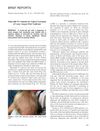
March 2014 in “Pediatric Dermatology” Minoxidil 5% solution significantly improved hair density in a girl with loose anagen hair syndrome over 28 months, with no side effects.
 29 citations
,
August 1985 in “Contact Dermatitis”
29 citations
,
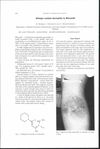
August 1985 in “Contact Dermatitis” Minoxidil can cause allergic reactions like burning, itching, and red bumps.
 1 citations
,
October 2018 in “InTech eBooks”
1 citations
,
October 2018 in “InTech eBooks” Only minoxidil and finasteride are FDA-approved for hair loss, with other treatments available but less effective or with side effects.
 40 citations
,
January 2018 in “Pharmaceutics”
40 citations
,
January 2018 in “Pharmaceutics” Eucalyptol and oleic acid in nanoemulsions improve minoxidil delivery to hair follicles, potentially enhancing hair loss treatment.
 37 citations
,
May 2016 in “JAAD case reports”
37 citations
,
May 2016 in “JAAD case reports” Oral minoxidil shows promise in treating monilethrix-related hair loss.
 8 citations
,
December 2020 in “Skin appendage disorders”
8 citations
,
December 2020 in “Skin appendage disorders” Low-dose oral minoxidil helped regrow eyebrows in women with Frontal Fibrosing Alopecia.
2 citations
,
January 2022 in “Skin appendage disorders” Low-dose oral minoxidil effectively promotes hair growth but has associated risks.
 October 2024 in “International Journal of Research in Medical Sciences”
 The SULT1A1 enzyme booster improves minoxidil effectiveness in treating hair loss, especially in females.
 January 2022 in “Cosmoderma”
 Using oral minoxidil and dutasteride together can quickly increase hair growth and volume with minimal side effects.
 March 2024 in “Clinical, Cosmetic and Investigational Dermatology”
 Saudi dermatologists know about low-dose oral minoxidil for hair loss but don't often prescribe it, partly due to its unavailability.

Low-dose oral minoxidil is generally safe for treating hair loss, with mostly mild side effects.
 56 citations
,
April 2007 in “Journal der Deutschen Dermatologischen Gesellschaft”
56 citations
,
April 2007 in “Journal der Deutschen Dermatologischen Gesellschaft” Minoxidil works better for female hair loss than alfatradiol, both safe.