 8 citations
,
December 2009 in “Journal of The European Academy of Dermatology and Venereology”
8 citations
,
December 2009 in “Journal of The European Academy of Dermatology and Venereology” Researchers found a new mutation in the FERMT1 gene in a Spanish family with Kindler syndrome.
37 citations
,
June 2000 in “Experimental dermatology” The Lanceolate hair-J mutation in mice mimics human hair disorders like Netherton's syndrome.
RNase L hinders hair follicle regeneration by altering immune signals.
April 2019 in “Journal of Investigative Dermatology” Researchers created a new mouse model for studying scleroderma.
11 citations
,
December 2015 in “Indian journal of dermatology, venereology, and leprology” Dermoscopy quickly and accurately diagnosed a rare hair disorder in a 12-year-old girl.
January 1999 in “Journal of Investigative Dermatology” 17 citations
,
January 2013 in “Journal of Cutaneous Pathology” The onychodermis helps anchor the nail bed and may aid in nail formation.
 April 2015 in “Experimental Dermatology”
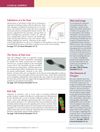
 Melanoma risk tools need improvement, certain gene mutations cause skin diseases and could be treated by targeting those mutations, skin wrinkling may relate to lung aging due to genetic factors, and oxidative stress affects hair loss but can be reduced in low oxygen.
8 citations
,
March 2017 in “Journal of Mind and Medical Sciences” Human sexuality involves complex mental processes unique to humans.
 249 citations
,
April 2002 in “The FASEB journal”
249 citations
,
April 2002 in “The FASEB journal” Human skin can make serotonin and melatonin.
July 2024 in “Journal of Investigative Dermatology” ATR12-351 ointment safely delivers LEKTI protein to the skin, reducing enzyme activity in Netherton syndrome.
July 2012 in “American Journal of Clinical Pathology” Hair examination is crucial for diagnosing Netherton syndrome in patients with certain skin symptoms.
11 citations
,
January 2014 in “Dermatology” Certain SPINK5 gene mutations are common in Israeli families with Comèl-Netherton syndrome.
January 1999 in “Universitas Philosophica” Cornifin-alpha/SPRR1 is increased in certain skin conditions and by specific treatments.
36 citations
,
July 1996 in “The journal of investigative dermatology/Journal of investigative dermatology” Mice with the 'lanceolate hair' mutation have abnormal hair and skin similar to human Netherton's syndrome.
 1 citations
,
June 2025 in “Journal of Allergy and Clinical Immunology Global”
1 citations
,
June 2025 in “Journal of Allergy and Clinical Immunology Global” A young boy with Netherton syndrome improved significantly using IVIG, dupilumab, and dietary changes.
 September 2016 in “Journal of Dermatological Science”
 Björnstad syndrome causes twisted hair from birth.
10 citations
,
April 2013 in “Journal of Investigative Dermatology” Epidermolytic ichthyosis can be inherited in a semidominant way with mild symptoms in carriers.
 21 citations
,
September 1990 in “Journal of The American Academy of Dermatology”
21 citations
,
September 1990 in “Journal of The American Academy of Dermatology” Taking L-tryptophan supplements might cause a condition similar to scleroderma in some people, which can get better after stopping the supplement and starting corticosteroid therapy.
The naked mutation in mice causes hair loss and helps identify keratin genes.
October 2020 in “Faculty Opinions – Post-Publication Peer Review of the Biomedical Literature” Stem cell niche exit in C. elegans is influenced by Sh1 cell membrane protrusions.
 2 citations
,
April 2010 in “The Open Dermatology Journal”
2 citations
,
April 2010 in “The Open Dermatology Journal” Corneodesmosin is essential for skin and hair health, and its dysfunction can lead to skin and hair disorders.
April 2023 in “Journal of Investigative Dermatology” RNase L suppresses regeneration in mammals.
April 2015 in “The FASEB Journal” Nitrogen mustard causes DNA damage and structural changes in mouse skin hair follicles, but some recovery occurs after 5 days.
 April 2026 in “Diagnostics”
 Parry–Romberg Syndrome can involve the brain even without obvious symptoms, and a new diagnostic framework is suggested for early detection.
14 citations
,
January 2023 in “Nature Immunology” iNKT cells help develop and maintain healthy skin in young mice.
9 citations
,
April 1985 in “Archives of Dermatology” Recognizing the "bamboo hair defect" is crucial for diagnosing Netherton's syndrome.
 February 2026 in “BMC Genomics”
 MEG3-miRNAs help control wool traits in young Tan sheep by regulating immune responses, but their decline with age leads to wool changes.
Sensory neurons and Merkel cells remodel at different rates during normal skin maintenance.
1 citations
,
June 2015 in “Journal of anatomy” A compound named ZCZ90 can increase muscle spindle firing, potentially helping treat muscle spasms and hypertension.