 4 citations
,
July 2012 in “Genesis”
4 citations
,
July 2012 in “Genesis” The Megsin-Cre transgene is a new tool for genetic manipulation in the skin and upper digestive tract.
87 citations
,
July 2009 in “Journal of Cell Science” Deleting the CDSN gene causes severe skin and hair problems, leading to death.
 2 citations
,
April 2019 in “Experimental Dermatology”
2 citations
,
April 2019 in “Experimental Dermatology” The article concludes that studying how skin forms is key to understanding skin diseases and improving regenerative medicine.
 April 2016 in “Journal of the American Academy of Dermatology”
 Dermoscopy helped correctly diagnose a skin condition that was previously misidentified as a different hair loss disease.
10 citations
,
January 1925 in “Archives of Dermatology” Trichostasis spinulosa is a rare skin condition with hair-filled plugs in hair follicles.
78 citations
,
May 2012 in “Journal of Investigative Dermatology” A specific gene mutation causes woolly hair and hair loss.

Meis2 is essential for touch sensation and nerve function in mice.
9 citations
,
January 1975 in “PubMed” Nude mice are hairless due to a shared defect affecting both skin and thymus, not just thymic issues.
35 citations
,
September 2009 in “Development” Necl2 affects skin cell behavior and slows wound healing.
5 citations
,
May 2021 in “EMBO journal” Cell polarity signaling controls tissue mechanics and cell fate, with complex interactions and varying pathways across species.
 13 citations
,
October 2021 in “Anais Brasileiros de Dermatologia”
13 citations
,
October 2021 in “Anais Brasileiros de Dermatologia” Dermoscopy is effective for diagnosing various skin infestations and infections.
13 citations
,
July 2004 in “Pediatric dermatology” A new severe form of monilethrix syndrome includes hair loss, scalp itching, cataracts, and distinct facial features.

A new syndrome, Teelwani Syndrome, combines features of two rare genetic disorders.
 1 citations
,
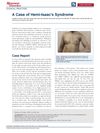
August 2021 in “Movement disorders clinical practice”
1 citations
,
August 2021 in “Movement disorders clinical practice” A man with Isaac's syndrome affecting only one side of his body improved after immune system-targeted treatment.
 3 citations
,
September 2020 in “Case reports in dermatological medicine”
3 citations
,
September 2020 in “Case reports in dermatological medicine” Misdiagnosing kerion as a bacterial infection can lead to unnecessary surgery and permanent hair loss.
26 citations
,
April 2011 in “British Journal of Dermatology” New mutations in the DSG4 gene cause a rare hair condition.
 July 2012 in “Medical Hypotheses”
 Artemis dysfunction might cause hair loss through telomere shortening.
Reducing nerve growth can help skin regenerate after birth.
5 citations
,
May 2014 in “Clinical and Experimental Dermatology” Mutations in the desmoplakin gene can cause hair problems and deadly heart disease.
 April 2025 in “Otorhinolaryngology Clinics - An International Journal”
 Histopathological examination is crucial to avoid misdiagnosis and ensure proper treatment for skin lesions.
 33 citations
,
January 2007 in “Pediatric dermatology”
33 citations
,
January 2007 in “Pediatric dermatology” Hair thinning and loss in a girl with a rare metabolic disorder was linked to her condition.
 15 citations
,
December 2014 in “PLoS ONE”
15 citations
,
December 2014 in “PLoS ONE” A mutation in the iRhom2 gene causes hairless mice due to abnormal hair follicle development.
 August 2025 in “Indian Dermatology Online Journal”
 Metaphors like "butterfly rash" and "moth-eaten" help doctors identify and describe skin conditions.
Meis2 is essential for whisker development, independent of nerve involvement.
 30 citations
,
September 2017 in “Clinics in Dermatology”
30 citations
,
September 2017 in “Clinics in Dermatology” Acanthosis nigricans is a skin condition that may indicate a higher risk for insulin resistance and type 2 diabetes, and more research is needed to understand and treat it.
1 citations
,
November 2024 in “eLife” Mesenchymal MEIS2 is essential for whisker development without needing sensory nerves.
39 citations
,
December 2012 in “The American Journal of Human Genetics” Mutations in the SNRPE gene cause hereditary hair loss.
40 citations
,
November 1966 in “Archives of Dermatology” Trichorrhexis nodosa is mainly caused by hair trauma and improves with gentler hair care.
 December 2025 in “Meditsinskiy sovet = Medical Council”
 Early diagnosis and multidisciplinary care are crucial for managing CNOT3 syndrome.
7 citations
,
January 2020 in “The journal of investigative dermatology/Journal of investigative dermatology” NIPP1 is important for healthy skin and could help treat skin inflammation.