52 citations
,
July 2011 in “PubMed” TRPS1 is crucial for bone, kidney, and hair follicle development.
July 2024 in “Journal of Investigative Dermatology” ATR12-351 ointment safely delivers LEKTI protein to the skin, reducing enzyme activity in Netherton syndrome.
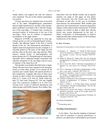 January 1999 in “Journal of the European Academy of Dermatology and Venereology”
 RAPK is a rare skin disorder with pigmented spots, mainly on hands and feet, starting in youth.
39 citations
,
August 1998 in “FEBS Letters” Two new enzymes, PAD-R11 and PAD-R4, were cloned and showed activity, with PAD-R11 resembling epidermal enzymes.
 1 citations
,
December 2019 in “JURNAL BIOSAINS”
1 citations
,
December 2019 in “JURNAL BIOSAINS” Krokot extract hair tonic is safe and effective for hair growth.
 3 citations
,
January 2023 in “American journal of physiology. Cell physiology”
3 citations
,
January 2023 in “American journal of physiology. Cell physiology” Inward rectifier potassium channels are important in many body functions and diseases, and could be potential drug targets.
January 2009 in “ScholarlyCommons (University of Pennsylvania)” The P133R mutation in AKR1D1 enzyme causes harmful bile acid buildup, explaining related health issues.
 8 citations
,
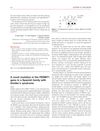
December 2009 in “Journal of The European Academy of Dermatology and Venereology”
8 citations
,
December 2009 in “Journal of The European Academy of Dermatology and Venereology” Researchers found a new mutation in the FERMT1 gene in a Spanish family with Kindler syndrome.
 40 citations
,
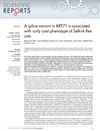
June 2013 in “Scientific Reports”
40 citations
,
June 2013 in “Scientific Reports” A gene variant in KRT71 causes the curly fur in Selkirk Rex cats.
11 citations
,
January 2021 in “British Journal of Dermatology” Mutations in the AP1B1 gene cause a new syndrome with skin, hearing, and developmental issues.
 July 2022 in “New Zealand journal of agricultural research”
 The KRTAP27-1 gene variations in sheep may affect wool length and weight.
19 citations
,
February 2013 in “Archives of Dermatological Research” August 2020 in “bioRxiv (Cold Spring Harbor Laboratory)” Normal cells outcompete and remove mutant cells in the pancreas with the help of the EphA2 receptor.
53 citations
,
June 2005 in “The journal of investigative dermatology/Journal of investigative dermatology” KAP genes show significant genetic variability, but its impact on hair traits is unclear.
2 citations
,
May 2024 in “BMC Genomics” Certain genetic changes in the KRT82 gene may cause patchy skin in New Zealand rabbits.
 March 2023 in “JAAD case reports”
 A new genetic change in the keratin 10 gene caused a skin condition called ichthyosis hystrix in a father and his daughter.
2 citations
,
July 2021 in “Genes” A specific genetic change in the KRT71 gene causes a hair loss condition in Hereford cattle.
10 citations
,
January 2010 in “International journal of trichology” Keratin-associated proteins are part of the developing hair fiber cuticle.
 28 citations
,
February 2012 in “PLoS ONE”
28 citations
,
February 2012 in “PLoS ONE” A PKP1 gene mutation causes skin fragility and hair loss in Chesapeake Bay retriever puppies.
 1 citations
,
December 2018 in “Journal of genetic medicine”
1 citations
,
December 2018 in “Journal of genetic medicine” A small change in the TRPS1 gene leads to a less severe form of a syndrome affecting hair, nose, and finger development.
 1 citations
,
January 2023 in “Biochemical and biophysical research communications”
1 citations
,
January 2023 in “Biochemical and biophysical research communications” Keratin 79 is linked to liver damage and may help diagnose liver diseases.
March 2007 in “Journal of Cell Science” K10 may not prevent tumors as previously thought and might increase benign tumor risk.
52 citations
,
May 2006 in “Journal of Structural Biology” Keratin-associated proteins help link filaments and affect keratin's strength.
8 citations
,
March 2004 in “Mammalian genome” KAP genes are crucial for hair development and show both shared and unique traits in humans, chimpanzees, and baboons.
Researchers made a mouse model with curly hair and hair loss by editing a gene.
 3 citations
,
June 2022 in “European journal of human genetics”
3 citations
,
June 2022 in “European journal of human genetics” A new type of pachyonychia congenita linked to a specific keratin gene mutation was found in two Pakistani families.
December 2020 in “Faculty Opinions – Post-Publication Peer Review of the Biomedical Literature” The KDM1 gene helps Venus flytraps close by managing potassium ions.
 60 citations
,
August 2008 in “Human molecular genetics online/Human molecular genetics”
60 citations
,
August 2008 in “Human molecular genetics online/Human molecular genetics” A position effect on the TRPS1 gene causes excessive hair growth in humans and mice.
April 2018 in “The journal of investigative dermatology/Journal of investigative dermatology” Esrp1 is important for skin health by helping form and maintain the skin barrier.
4 citations
,
January 2009 in “PubMed” A mutation in the KRT86 gene causes hair fragility in a Turkish family.