161 citations
,
June 1993 in “Journal of Biological Chemistry” Trichohyalin helps in hair and skin cell structure and function by binding calcium and linking proteins.
 38 citations
,
April 2017 in “PLOS Genetics”
38 citations
,
April 2017 in “PLOS Genetics” GRHL3 is important for controlling gene activity in skin cells during different stages of their development.
 20 citations
,
August 2014 in “PloS one”
20 citations
,
August 2014 in “PloS one” MED1 affects skin wound healing differently in young and old mice.
 2 citations
,
December 2016 in “Experimental cell research”
2 citations
,
December 2016 in “Experimental cell research” The research found a way to identify and study skin cells with stem cell traits, revealing they behave differently in culture and questioning current stemness assessment methods.
100 citations
,
May 2006 in “American Journal Of Pathology” Matriptase is crucial for skin barrier, hair growth, and may contribute to skin cancer.
 September 2019 in “Journal of Investigative Dermatology”
 Abrocitinib at 100 mg and 200 mg daily may significantly improve moderate-to-severe atopic dermatitis in patients 12 years and older.
23 citations
,
July 2020 in “BMC Genomics” NCBP3, SDHA, and PTPRA are the best genes for accurate goat skin research.
 April 2016 in “Journal of Investigative Dermatology”
 Jasmine extract helps skin cell growth and makes artificial skin thicker, especially when used with skin-derived precursors.
July 2024 in “Journal of Investigative Dermatology” A KLK5 inhibitor effectively improved skin symptoms in a mouse model of Netherton Syndrome.
January 2019 in “대한피부과학회지” Kerion cases had longer disease duration but responded well to antifungal treatments.
35 citations
,
May 2011 in “Experimental Dermatology” Aging causes changes in hair follicles, leading to weaker hair growth.
 85 citations
,
September 2013 in “International Journal of Molecular Sciences”
85 citations
,
September 2013 in “International Journal of Molecular Sciences” Keratin 15 is not a reliable sole marker for identifying epidermal stem cells because it's found in various cell types.
 6 citations
,
September 2019 in “Skin pharmacology and physiology”
6 citations
,
September 2019 in “Skin pharmacology and physiology” RCS-01 therapy is safe and may improve skin structure by affecting gene expression.
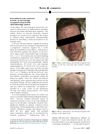 2 citations
,
November 2018 in “JAAD case reports”
2 citations
,
November 2018 in “JAAD case reports” Drinking kava tea can cause a skin reaction with red, swollen bumps, which may improve with steroids.
 November 1993 in “Hair transplant forum international”
 The document's conclusion cannot be provided because the document is not readable or understandable.
27 citations
,
November 1991 in “Journal of Investigative Dermatology” 3 citations
,
December 2021 in “Proteins” Wool fiber curliness is linked to the presence of certain proteins and K38.
36 citations
,
September 1999 in “Journal of Cell Science” Basonuclin may help control ribosomal RNA gene activity in skin cells.
19 citations
,
April 1999 in “British Journal of Dermatology” Keratin 2e shows a unique pattern in developing fetal skin, different from other keratins.
35 citations
,
September 1994 in “Journal of Investigative Dermatology”  2 citations
,
December 2023 in “Journal of clinical immunology”
2 citations
,
December 2023 in “Journal of clinical immunology” Ruxolitinib significantly improves multiple autoimmune conditions in APS-1 patients.
 12 citations
,
August 2011 in “Asian-Australasian Journal of Animal Sciences”
12 citations
,
August 2011 in “Asian-Australasian Journal of Animal Sciences” KAP8.1 gene variations affect cashmere weight in Inner Mongolian goats.
43 citations
,
April 1996 in “Journal of Investigative Dermatology” 116 citations
,
April 2022 in “Science Translational Medicine” The EG7 foam dressing improved wound healing and reduced inflammation better than other treatments.
 1 citations
,
December 2014 in “Scanning”
1 citations
,
December 2014 in “Scanning” Multiphoton microscopy effectively images rabbit skin structures in detail without staining and shows differences from human skin.
 12 citations
,
June 2020 in “Frontiers in Cell and Developmental Biology”
12 citations
,
June 2020 in “Frontiers in Cell and Developmental Biology” The PP2A-B55α protein is essential for brain and skin development in embryos.
 September 2004 in “Hair transplant forum international”
 The ABHRS has outlined its goals for the next year.
September 2025 in “Journal of the American Academy of Dermatology” Ritlecitinib may help treat alopecia areata by protecting hair follicles.
 April 2023 in “The journal of investigative dermatology/Journal of investigative dermatology”
 HPV8 causes hair follicle stem cells to grow, leading to skin lesions.
1 citations
,
September 2023 in “Journal of the American Academy of Dermatology” Ritlecitinib effectively regrows and maintains scalp, eyebrow, and eyelash hair in alopecia areata patients.