 May 2025 in “Frontiers in Genetics”
 A new genetic variant in the LIPH gene causes hair growth issues in a Chinese patient.
 7 citations
,
January 1998 in “EXPERIMENTAL ANIMALS”
7 citations
,
January 1998 in “EXPERIMENTAL ANIMALS” The skin of both rat strains showed similar lectin binding patterns.
August 2015 in “PubMed Central” Epithelial-derived Pop-Up Keratinocytes (ePUKs) may enhance wound healing in regenerative medicine.
 6 citations
,
February 2010 in “Journal of The American Academy of Dermatology”
6 citations
,
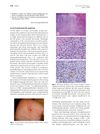
February 2010 in “Journal of The American Academy of Dermatology” A woman had a rare skin condition with recurring painful nodules that heal in 6 weeks, often without needing treatment.
 1 citations
,
October 2023 in “Skin research and technology”
1 citations
,
October 2023 in “Skin research and technology” LC-OCT is an effective new method for diagnosing classic lichen planopilaris.
 48 citations
,
May 1991 in “The journal of investigative dermatology/Journal of investigative dermatology”
48 citations
,
May 1991 in “The journal of investigative dermatology/Journal of investigative dermatology” Trichohyalin is also found in the outer layers of normal human skin.
 February 2026 in “Scientific Reports”
 The gel is safe and effective for treating oral mucositis from chemotherapy and radiation.
 April 2026 in “American Journal of Dermatopathology”
 Increased blood vessel growth in lichen planopilaris may signal active disease needing aggressive treatment.
January 2011 in “Open Collections” Mouse preputial glands are highly developed sebaceous glands that mainly secrete neutral fat droplets.
 December 2012 in “Journal of dermatological science”
 Langerhans cells and melanocytes migrate to the skin and hair follicles during early human development.
 April 2018 in “The journal of investigative dermatology/Journal of investigative dermatology”
 Removing Lrig1-positive stem cells in mice causes temporary loss of sebaceous glands.
Fructus Ligustri Lucidi water extract helps hair growth by promoting cell survival and activating specific pathways.
January 2023 in “Clinical and Experimental Dermatology” Oral minoxidil may help improve fragile hair.
 1 citations
,
June 2024 in “British Journal of Dermatology”
1 citations
,
June 2024 in “British Journal of Dermatology” Mycophenolate mofetil effectively improved skin pigmentation and itching in a woman with lichen planus pigmentosus and frontal fibrosing alopecia.
December 2022 in “Journal of The European Academy of Dermatology and Venereology” 13 citations
,
August 2005 in “Journal of Investigative Dermatology Symposium Proceedings” Mutations in the DSG4 gene cause fragile, sparse hair in humans, mice, and rats.
May 2013 in “Plastic & Reconstructive Surgery” The authors clarified their surgical technique to prevent complications and improve dental implant outcomes.
 9 citations
,
December 2002 in “Novartis Foundation Symposium”
9 citations
,
December 2002 in “Novartis Foundation Symposium” LEF1 is essential for the development of airway glands and is regulated by the Wnt/ß-catenin pathway.
 84 citations
,
April 2013 in “Applied Microbiology and Biotechnology”
84 citations
,
April 2013 in “Applied Microbiology and Biotechnology” Mannosylerythritol lipids are good for skin and hair care products.
 11 citations
,
December 2014 in “The American journal of pathology”
11 citations
,
December 2014 in “The American journal of pathology” A gene deletion in mice causes weak protein, immune issues, hair loss, airway problems, and wasting disease.
21 citations
,
November 1980 in “PubMed” A new mite species was found in California sea lions, causing skin issues.
 April 2018 in “Journal of Investigative Dermatology”
 Macrophages are more involved in Lichen planopilaris than in Frontal fibrosing alopecia.
 17 citations
,
January 2015 in “International Journal of Trichology”
17 citations
,
January 2015 in “International Journal of Trichology” Frontal fibrosing alopecia may affect nails and could be a type of lichen planus, treatable with certain medications.
January 2023 in “Journal of Veterinary and Animal Sciences” Dogs with skin lesions often have blood abnormalities and damaged hair.
 1 citations
,
January 2018 in “Indian journal of otolaryngology and head and neck surgery”
1 citations
,
January 2018 in “Indian journal of otolaryngology and head and neck surgery” The new surgery method successfully healed the patient's nasal wound without complications.
33 citations
,
October 2014 in “Veterinary Dermatology” Epidermolysis bullosa is a genetic disease causing fragile skin and blisters in both animals and humans.
2 citations
,
July 2016 in “Veterinary dermatology” Hyperaesthetic leucotrichia in horses causes painful, recurring skin lesions and hair color changes, especially in Arabian and American paint horses.
 April 2017 in “Australasian Journal of Dermatology”
 Most patients with Lichen planopilaris improved with acitretin, but treatments often didn't work well; preventing infection in skin surgery is important, and bupivacaine might be a better anesthetic.
82 citations
,
November 1985 in “Archives of Dermatology” The newborn's skin condition improved over time, leaving only lighter skin patches.
November 2012 in “Annales de Dermatologie et de Vénéréologie” Frontal fibrosing alopecia can occur in children, not just postmenopausal women.