 3 citations
,
February 2009 in “Journal of The European Academy of Dermatology and Venereology”
3 citations
,
February 2009 in “Journal of The European Academy of Dermatology and Venereology” Sparse hairs below frontal hairline can indicate early male balding.
 2 citations
,
January 1908 in “Journal of the American Medical Association”
2 citations
,
January 1908 in “Journal of the American Medical Association” Fear of hair-related issues causes significant mental distress, especially in high-stress women.

A 9-year-old girl developed type 1 diabetes and alopecia after being treated for a rare kidney disease.
 98 citations
,
December 2008 in “Journal of Investigative Dermatology”
98 citations
,
December 2008 in “Journal of Investigative Dermatology” Prolactin affects hair growth and skin conditions, and could be a target for new skin disease treatments.
 March 2014 in “Journal of The American Academy of Dermatology”
  53 citations
,
January 2009 in “Journal of Investigative Dermatology”
53 citations
,
January 2009 in “Journal of Investigative Dermatology” UVB radiation harms hair growth and health, causing cell death and other changes in human hair follicles.
 12 citations
,
July 1979 in “International Journal of Dermatology”
12 citations
,
July 1979 in “International Journal of Dermatology” A patient with zinc depletion improved after zinc supplementation during parenteral nutrition.
 1 citations
,
September 2017 in “Journal of Investigative Dermatology”
1 citations
,
September 2017 in “Journal of Investigative Dermatology” Backhousia citriodora leaf extract effectively reduces oily skin across different ethnic groups.
 April 2018 in “Journal of Investigative Dermatology”
 Hair follicle stem cells can change their role to ensure proper hair development.
 April 2018 in “Journal of Investigative Dermatology”
 Stabilizing HIF1A in hair follicles increases glycolysis, which may help reduce oxidative stress and support hair growth.
 September 2017 in “Journal of Investigative Dermatology”
 Stabilizing HIF-1A in hair follicles may reduce oxidative stress and promote hair growth by increasing glycolysis.
 September 2017 in “Journal of Investigative Dermatology”
 Thermal imaging is a useful non-invasive method to diagnose active inflammation in frontal fibrosing alopecia.
 September 2017 in “Journal of Investigative Dermatology”
 HIF-1A may aid hair growth, Backhousia citriodora improves skin, autologous cells stabilize hair loss, infrared thermography assesses alopecia, and a new treatment preserves hair.
 September 2017 in “Journal of Investigative Dermatology”
 The new scalp treatment preserves hair color, reduces hair loss, and maintains hair strength.
 June 1987 in “Pediatric Neurology Briefs”
 Biotinidase deficiency can cause symptoms like sleepiness, hair loss, and seizures.
 September 2017 in “Journal of Investigative Dermatology”
 Injections of special skin cells showed potential in treating hair loss, with some participants experiencing increased hair density.
 102 citations
,
July 2007 in “Genes & Development”
102 citations
,
July 2007 in “Genes & Development” A mother's PPARγ is crucial for preventing harmful milk that can cause inflammation and growth problems in babies.
 47 citations
,
May 1999 in “Reproduction”
47 citations
,
May 1999 in “Reproduction” Goat reproductive activity and coat growth are affected by light and temperature, with temperature altering prolactin levels and hair growth, but not melatonin or estrus onset.
 42 citations
,
January 1998 in “BioDrugs”
42 citations
,
January 1998 in “BioDrugs” Azathioprine's effectiveness and safety require careful monitoring and more research, especially regarding its use with corticosteroids and the role of TPMT status in patients.
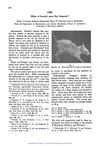 20 citations
,
November 1943 in “Experimental Biology and Medicine”
20 citations
,
November 1943 in “Experimental Biology and Medicine” Inositol helped prevent and cure hair loss in rats.
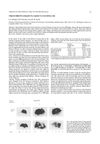 10 citations
,
May 1986 in “Experientia”
10 citations
,
May 1986 in “Experientia” Too much zinc in the diet can cause hair loss and color change in young mice by reducing copper in the body.
 9 citations
,
January 2015 in “Skin appendage disorders”
9 citations
,
January 2015 in “Skin appendage disorders” The article suggests that the belief in common postpartum hair loss lacks sufficient evidence and may be overestimated.
 1 citations
,
March 2011 in “Infertility”
1 citations
,
March 2011 in “Infertility” Hormone imbalances from the pituitary, thyroid, and adrenal glands can cause infertility, but treating these disorders can improve fertility.
 265 citations
,
July 2012 in “Cell”
265 citations
,
July 2012 in “Cell” The study found that sweat glands contain different types of stem cells that help with healing and maintaining healthy skin.
 74 citations
,
July 1979 in “Lancet”
74 citations
,
July 1979 in “Lancet” Biotin treatment can significantly improve hair loss and motor functions in certain metabolic disorders.
 71 citations
,
October 2008 in “The journal of investigative dermatology/Journal of investigative dermatology”
71 citations
,
October 2008 in “The journal of investigative dermatology/Journal of investigative dermatology” HFMs can help study hair growth and test potential hair growth drugs.
 55 citations
,
January 2002 in “Journal of liposome research”
55 citations
,
January 2002 in “Journal of liposome research” New liposomal formulations may improve delivery of treatments to hair follicles, potentially helping with hair loss.
 42 citations
,
November 2004 in “Paediatric Respiratory Reviews”
42 citations
,
November 2004 in “Paediatric Respiratory Reviews” Children generally have milder SARS symptoms than adults, with good outcomes and no deaths reported, but long-term effects are unclear.
 35 citations
,
October 2017 in “Trends in Molecular Medicine”
35 citations
,
October 2017 in “Trends in Molecular Medicine” Mice with enhanced regeneration abilities may help develop new regenerative medicine therapies.
 34 citations
,
April 2009 in “Skin Pharmacology and Physiology”
34 citations
,
April 2009 in “Skin Pharmacology and Physiology” Minoxidil affects cell growth in two ways: low doses increase growth, while high doses slow it down and can be toxic.