
The workshop promoted better medicine use and health practices through global collaboration.

The workshop successfully promoted better medicine use and international collaboration.
 September 2020 in “Journal of Investigative Medicine”
 Omics techniques are needed to understand the scalp microbiome's role in alopecia areata for new treatments.
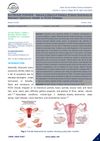 January 2020 in “Asian Journal of Basic Science & Research”
 Nutrease powder, a high-protein, low-carb supplement, can help manage Polycystic Ovary Syndrome symptoms, regulate periods, improve ovulation, and restore fertility.
 December 2019 in “bioRxiv (Cold Spring Harbor Laboratory)”
 Redheaded people have higher levels of a vitamin D precursor, suggesting red hair may be an adaptation for better vitamin D synthesis in areas with less sunlight.
Diet and supplements can significantly affect acne, with some foods and nutrients reducing and others worsening it.
 September 2017 in “Journal of Investigative Dermatology”
 Certain products and treatments can improve hair health and growth.
 September 2017 in “Journal of Investigative Dermatology”
 The combination of Stemoxydine® and Resveratrol improves hair density in women with Female Pattern Hair Loss.
 September 2017 in “Journal of Investigative Dermatology”
 Mackerel fermented fish oil protects skin cells from damage by UVB light.
 September 2017 in “Journal of Investigative Dermatology”
 Hair care products used for 4 weeks made hair smoother.
 January 2017 in “Clinical approaches and procedures in cosmetic dermatology”
 Certain nutrients can improve skin health and treat skin problems safely.
 June 2014 in “Journal of biomedical research”
 Sargassum fusiforme extracts help promote hair growth.
18 citations
,
December 1992 in “Journal of Cutaneous Pathology” Skin tumors and normal skin structures have different lectin-binding patterns.
7 citations
,
March 2021 in “Journal of Investigative Dermatology” Lipases, especially gehB, are crucial for Staphylococcus aureus to enter and colonize hair follicles.
 May 2017 in “Journal of The American Academy of Dermatology”
 PLAU and SerpinB2 affect cell death differently in various forms of leprosy and could be targets for new treatments.
 October 2022 in “Research Square (Research Square)”
 The conclusion is that certain chemicals from Bacillus subtilis help improve plant root growth through a hormone-related process.
 April 2017 in “Journal of Investigative Dermatology”
 Cow milk sugars increase fat production and inflammation in skin oil cells.
April 2023 in “Journal of Investigative Dermatology” CD8+ T cells attack hair follicle stem cells, causing scarring and hair loss.
4 citations
,
April 2022 in “Microorganisms” Povidone iodine reduced skin bacteria more than chlorhexidine gluconate, but neither met FDA reduction standards.
8 citations
,
June 2011 in “Journal of Zoo and Wildlife Medicine” Staphylococcus simulans may cause dermatitis in African pygmy hedgehogs.
85 citations
,
August 2021 in “Materials & Design” Encapsulated probiotics can improve medical treatments by better delivering and protecting probiotics in the body.
 1 citations
,
September 2013 in “The Journal of Dermatology”
1 citations
,
September 2013 in “The Journal of Dermatology” An 8-year-old girl developed a rare skin condition in a linear pattern on one side of her body after a lung infection, which improved with treatment.
8 citations
,
January 2009 in “Bulletin of the Veterinary Institute in Pulawy” A goat's skin infection was cured with itraconazole and D-biotin.
 10 citations
,
September 2013 in “Nutrition”
10 citations
,
September 2013 in “Nutrition” The ketogenic diet can worsen biotin deficiency, suggesting a need for biotin supplements.
165 citations
,
May 2023 in “Science Advances” The hydrogel speeds up healing of infected wounds by providing oxygen and fighting bacteria.
 5 citations
,
May 2018 in “PloS one”
5 citations
,
May 2018 in “PloS one” Both classical and L-type atypical BSE from cattle can infect goats with different incubation times, and tests can distinguish between the two strains.
 April 2026 in “Journal of the Korean Society of Cosmetology”
 Limosilactobacillus reuteri from honeybees may promote hair growth by activating a specific cell pathway.
April 2019 in “Journal of Investigative Dermatology” Alopecia Areata patients have too many Firmicutes and too few Bacteroides in their gut.
 April 2018 in “Journal of Investigative Dermatology”
 People with palmoplantar pustulosis, especially with bone issues, have different mouth bacteria compared to healthy people.
 391 citations
,
September 2015 in “Journal of Clinical Lipidology”
391 citations
,
September 2015 in “Journal of Clinical Lipidology” The guidelines suggest lifestyle changes, diet adjustments, and personalized medication to manage dyslipidemia and reduce heart disease risk.