 September 2021 in “CRC Press eBooks”
 Lichen planopilaris causes permanent hair loss and scarring due to damage to hair follicles and can be mistaken for other hair loss conditions.
 202 citations
,
August 2017 in “Nature cell biology”
202 citations
,
August 2017 in “Nature cell biology” Lactate production is important for activating hair growth stem cells.

Topical latanoprost acid at 0.05% concentration improved hair growth in women with androgenetic alopecia.
1 citations
,
January 2020 in “Skin Appendage Disorders” Treatment with methotrexate and prednisolone led to complete hair regrowth and no relapse for 2 years.
 February 2024 in “Skin research and technology”
 LC-OCT is a promising tool for diagnosing and monitoring Alopecia areata.
 April 2025 in “Journal of Investigative Dermatology”
 High LH levels cause hair loss by damaging and aging hair follicles.
July 2025 in “Cell & Bioscience” Specific immune cells and pathways contribute to hair follicle inflammation and hair loss, suggesting potential treatments for lichen planopilaris.
113 citations
,
May 2007 in “Journal of the American Academy of Dermatology” The study found that steroids and tetracycline helped treat active Lichen planopilaris, and hair transplants were good for later stages.
 November 2022 in “The journal of investigative dermatology/Journal of investigative dermatology”
 Researchers made a detailed map of gene activity for different parts of human hair follicles to help create targeted hair disorder treatments.
 February 2013 in “Journal of the American Academy of Dermatology”
 A woman's hair loss looked like a different condition due to her hairstyle, and treatment stopped further hair loss but didn't regrow hair.
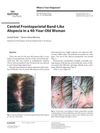 January 2018 in “Skin appendage disorders”
 A woman's hair loss was correctly diagnosed as Lichen planopilaris after initial misdiagnosis, highlighting the usefulness of trichoscopy in diagnosing hair disorders.
 September 2022 in “The American Journal of Dermatopathology”
 Blocking IL-17 might help treat the hair loss condition Lichen planopilaris.
January 2022 in “Clinical Cases in Dermatology” A woman has a permanent hair loss condition treated with steroids and new medicines, but hair might not regrow.
November 2022 in “Journal of Investigative Dermatology” A new tool helps study hair follicle cells to develop better treatments for hair disorders.
 43 citations
,
June 2012 in “Lasers in Medical Science”
43 citations
,
June 2012 in “Lasers in Medical Science” Low-level laser treatment helped rats regrow hair faster after chemotherapy.
 October 2020 in “Our Dermatology Online”
 Chronic bacterial infections of hair follicles can cause ongoing skin inflammation.
3 citations
,
January 2016 in “Dermatology online journal” Some people with lichen planus pigmentosus might later develop frontal fibrosing alopecia.
 August 2023 in “The journal of investigative dermatology/Journal of investigative dermatology”
 Ixekizumab may be an effective first treatment for a rare skin condition causing hair loss.
 134 citations
,
September 2008 in “Lasers in surgery and medicine”
134 citations
,
September 2008 in “Lasers in surgery and medicine” Low fluence photoepilation temporarily removes hair by targeting the hair follicle's pigmented area without severe damage.
 December 2005 in “Journal of the American Academy of Physician Assistants”
 The woman was diagnosed with lichen planopilaris and can be treated with corticosteroids.
 9 citations
,
January 2020 in “Skin appendage disorders”
9 citations
,
January 2020 in “Skin appendage disorders” Hair loss from conditions like LPP and FFA can potentially be reversed with the right treatment.
1 citations
,
December 2015 in “TURKDERM” Lichen planopilaris can be accurately diagnosed and effectively treated.
March 2004 in “Journal of the American Academy of Dermatology” Middle-aged women with cicatricial alopecia/lichen planopilaris responded well to treatments like ketoconazole shampoo and steroids.
July 2024 in “Journal of Investigative Dermatology” PP405 may help hair growth by activating hair follicle stem cells.
 November 2023 in “Food science of animal resources”
 Lactilactobacillus curvatus LB-P9 taken orally helps hair regrow faster and thicker in mice.
The hair lotion from Ganoderma lucidum extract effectively promotes hair growth and reduces hair loss.
 6 citations
,
November 2012 in “Hair transplant forum international”
6 citations
,
November 2012 in “Hair transplant forum international” The Laxometer helps make hair transplants with many grafts safer.
 November 2022 in “Nihon Nyuusankin Gakkaishi/Nihon Nyūsankin Gakkaishi”
 The lotion with N793 strain significantly increased hair density and reduced hair loss safely.
 1 citations
,
February 2009 in “Journal of Investigative Dermatology”
1 citations
,
February 2009 in “Journal of Investigative Dermatology” Lipase H is important for hair follicle function and shaping hair fibers.