 March 2026 in “Dermatology and Therapy”
 Distinct miRNA signatures could help diagnose and treat severe Alopecia Areata.
4 citations
,
December 2023 in “Medicine” Lower levels of MYLK and CALD1 in bladder cancer and osteosarcoma are linked to worse survival rates.
 1 citations
,
June 2023 in “Radiation oncology journal”
1 citations
,
June 2023 in “Radiation oncology journal” Low-dose radiation therapy may improve brain function in some Alzheimer's patients and is generally well-tolerated.
 30 citations
,
July 2019 in “PloS one”
30 citations
,
July 2019 in “PloS one” Patients with Alopecia areata have fewer specific immune cells that normally regulate the immune system, which may contribute to the condition.
 14 citations
,
August 2019 in “Clinical and Experimental Dermatology”
14 citations
,
August 2019 in “Clinical and Experimental Dermatology” Combining light therapy, acid, and microneedling improves hair regrowth in stubborn hair loss cases.
71 citations
,
January 1998 in “Pathobiology” The document concludes that certain rats and mice are useful for studying hair loss in humans and testing treatments.
1 citations
,
November 2018 in “immuneACCESS” Expanded CD8+ T cells are linked to Alopecia Areata and may cause relapse after treatment.
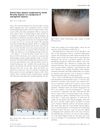 25 citations
,
March 2013 in “British Journal of Dermatology”
25 citations
,
March 2013 in “British Journal of Dermatology” Woman has discoid lupus, frontal fibrosing, and androgenetic alopecia.
69 citations
,
December 2006 in “Archives of dermatology” Adalimumab may cause severe hair loss in some patients.
 2 citations
,
September 1980 in “Experientia”
2 citations
,
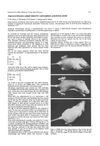
September 1980 in “Experientia” Polyethylene alanine caused hair loss in young lab animals but not in adults, with hair regrowth occurring within 20 days.
1 citations
,
February 2025 in “Journal of Drugs in Dermatology” Early and accurate diagnosis is crucial for effectively managing hair loss in lupus and alopecia areata.
September 2025 in “Blood Advances” Targeting androgen receptor signaling may improve acute myeloid leukemia treatment.
62 citations
,
October 1999 in “Journal of Investigative Dermatology” New mutations in hair keratin genes can change hair structure and cause monilethrix, with nail issues more common in certain gene mutations.
November 2022 in “Journal of Investigative Dermatology” ILC1-like cells can cause alopecia areata by affecting hair follicles.
PNH can occur in patients with SLE, so doctors should be aware of this.
 May 2025 in “Frontiers in Genetics”
 A new genetic variant in the LIPH gene causes hair growth issues in a Chinese patient.
Lupus nephritis can cause severe kidney and blood vessel problems.
July 2026 in “The Journal of Immunology” The study maps immune changes in mice with alopecia areata to better understand and treat the disease in humans.
July 2024 in “The Egyptian Journal of Hospital Medicine” Serum calprotectin is not a reliable marker for alopecia areata activity.
 April 2024 in “DAHUDER Medical journal”
 The study concluded that there is no significant link between thyroid autoimmunity and alopecia areata.
21 citations
,
March 2003 in “Clinical and Experimental Dermatology” Mutations in the hHb6 gene cause the hair disorder monilethrix.
 1 citations
,
June 2023 in “Genes”
1 citations
,
June 2023 in “Genes” Hair loss from Alopecia Areata is caused by both genes and environment, with several treatments available but challenges in cost and relapse remain.
April 2023 in “Journal of Investigative Dermatology” IL-17 plays a key role in severe hair loss in chronic alopecia areata.
November 2025 in “JEADV Clinical Practice” Leflunomide may lower alopecia areata risk, while other immunomodulators might increase it.
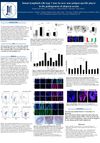
Innate lymphoid cells type 1 may contribute to alopecia areata by damaging hair follicles.
 September 2023 in “SKIN The Journal of Cutaneous Medicine”
 Talquetamab may cause hair loss and skin issues.
9 citations
,
January 2015 in “Annals of dermatology/Annals of Dermatology” Alopecia areata in elderly people is usually mild and responds well to treatment.
 4 citations
,
January 2017 in “Journal of pediatric endocrinology & metabolism/Journal of pediatric endocrinology and metabolism”
4 citations
,
January 2017 in “Journal of pediatric endocrinology & metabolism/Journal of pediatric endocrinology and metabolism” Two different mutations in the vitamin D receptor gene cause different symptoms and responses to treatment in Lebanese patients with hereditary rickets.
April 2023 in “Zenodo (CERN European Organization for Nuclear Research)” High-dose vitamin D and an anti-inflammatory diet may help improve symptoms in autoimmune conditions like SLE and AA.
10 citations
,
December 2008 in “Molecular Carcinogenesis” The PML protein helps prevent skin cancer in mice.