 January 2020 in “Journal of Entomology and Zoology Studies”
 Canine hair follicle stem cells are located in the isthmus/bulge region of the hair follicle.
 December 2019 in “Pubvet”
 The document concludes that atopic dermatitis in dogs is managed with various treatments including antipruritics, supplements, and possibly immunotherapy.
 June 2019 in “Pediatric Dermatology”
 Alopecia in patients with epidermolysis bullosa varies in severity and is often caused by skin blistering or trauma.
 May 2019 in “Pakistan Journal of Pharmaceutical Sciences”
 CO2 laser treatment may be more effective for skin rejuvenation.
 February 2019 in “bioRxiv (Cold Spring Harbor Laboratory)”
 The gene Prss53 affects hair shape and bone development in rabbits.
 January 2019 in “Global Dermatology”
 Genetic hair shaft abnormalities can be seen with microscopes and often affect scalp hair.
 March 2018 in “Dermatología Argentina”
 The study found that the average age of women diagnosed with Frontal Fibrosing Alopecia in Argentina is higher than in other countries, but their symptoms are similar.
 January 2018 in “International Journal of Advances in Scientific Research and Engineering”
 A new method accurately measures phenolic compounds in Ziziphus Jujuba extract quickly and efficiently.
 March 2017 in “De Gruyter eBooks”
 The Leechbook shows how hair and sexual health were key to medieval masculinity and some remedies may still be useful.

Skin stem cells are crucial for maintaining and repairing skin, with potential for treating skin disorders and improving wound healing.

Lichen planopilaris and frontal fibrosing alopecia are likely the same disease with different clinical appearances.

Canine fetal hair follicle stem cells show pluripotency, with higher S100 protein expression at 40 days.
Avicennia Marina extract and avicequinone C can reduce hair loss hormone production and increase hair growth factors, suggesting they could be used to treat androgenic alopecia.
 August 2015 in “Arquivo Brasileiro de Medicina Veterinária e Zootecnia/Arquivo brasileiro de medicina veterinária e zootecnia”
 Caffeine intake during pregnancy and lactation can cause skin lesions in mother rats and their babies, not linked to cortisol levels.
 September 2014 in “Springer eBooks”
 Men and women experience skin aging differently due to changes in sex hormone levels with age.
 December 2013 in “Research Portal (King's College London)”
 Hair loss in Lichen Planopilaris is caused by immune system issues damaging hair follicles and stem cells.
 March 2013 in “Revista Brasileira de Cirurgia Plástica”
 Using platelet growth factors can improve hair density in transplants, especially for those with fine hair.
 January 2012 in “heiDOK (Heidelberg University)”
 Dormant melanoma cells in mice interact minimally with memory T cells due to a suppressive tumor environment.

Laser hair removal may cause skin changes that prevent hair regrowth.
A gluten-free diet and removing the parathyroid adenoma helped a girl with coeliac disease and high calcium levels start puberty.
 November 2010 in “Journal of The American Academy of Dermatology”
 The issue concluded that various skin conditions have different effective treatments and factors influencing them.
 May 2009 in “The American Journal of Dermatopathology”
 Mast cells play a significant role in hair loss conditions like male pattern hair loss and alopecia areata.
 June 2008 in “Springer eBooks”
 The document concludes that permanent hair loss conditions are complex, require early specific treatments, and "secondary permanent alopecias" might be a more accurate term than "secondary cicatricial alopecia."
 January 2008 in “Durham e-Theses (Durham University)”
 Hair follicle stem cells are similar to mesenchymal stem cells and can become neural-like cells under certain conditions.
 January 2007 in “Universiti Putra Malaysia Institutional Repository (Universiti Putra Malaysia)”
 Keratin-gelatin film improves wound healing in dogs and cats.
 September 2003 in “Current Paediatrics”
 The document concludes that accurate diagnosis and understanding the type of hair disorder are crucial for treating hair loss in children.
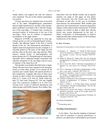 January 1999 in “Journal of the European Academy of Dermatology and Venereology”
 RAPK is a rare skin disorder with pigmented spots, mainly on hands and feet, starting in youth.
 January 1994 in “Nihon Chikusan Gakkaiho”
 Collagen fibrils in mink skin change structure during hair growth, becoming looser and thicker in the active phase.
 January 2026 in “Journal of Ayurveda and Integrated Medical Sciences”
 Pippalyadi Agad may help counteract harmful effects of toxic cosmetics.

Understanding alopecia in Mexican adults helps create better, tailored treatments.