 June 2023 in “GSC Advanced Research and Reviews”
 Hutchinson-Gilford Progeria Syndrome causes rapid aging from a genetic mutation, with no cure but ongoing research into potential treatments.
 June 2022 in “Indian journal of clinical and experimental opthalmology”
 The report shows a young man with Hutchinson-Gilford Progeria Syndrome had typical and additional eye problems related to the disease.
 November 2013 in “John Wiley & Sons, Ltd eBooks”
 Skin symptoms can indicate endocrine disorders and have various treatments.
 July 1995 in “Journal of Dermatological Science”
 Cyclosporine starts hair growth faster, while minoxidil makes it last longer.
 April 2026 in “Microsystems & Nanoengineering”
 HA-gel-dex hydrogels help heal wounds and regenerate tissue effectively.
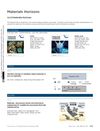 January 2026 in “Materials Horizons”
  December 2025 in “Cureus”
 Localized dystrophic epidermolysis bullosa (DEB) can lead to scarring alopecia, highlighting the need to recognize and address this complication.
 November 2025 in “International Journal for Research in Applied Science and Engineering Technology”
 The herbal hair oil made with natural ingredients effectively reduces hair fall, dandruff, and prevents premature graying.
 October 2025 in “EMJ Dermatology”
 Histopathology is crucial for accurately diagnosing eruptive vellus hair cysts.
 January 2025 in “Open Life Sciences”
 Overexpression of the HE4 gene in mice causes eye inflammation and cloudiness.
 February 2024 in “Digital Library of Theses and Dissertations (Universidade de São Paulo)”
 Argan, avocado, and coconut oils are absorbed into hair, improving hydration and protection.
 November 2023 in “bioRxiv (Cold Spring Harbor Laboratory)”
 Scientists made a mouse that shows how a specific protein in the skin changes and affects hair growth and shape.
 September 2023 in “bioRxiv (Cold Spring Harbor Laboratory)”
 The mTurq2-Col4a1 mouse model shows that cells can divide while attached to stable basement membranes during development.
 August 2023 in “International Journal of Science and Research (IJSR)”
 Kadali is a versatile medicinal plant used to treat various health issues.
A woman in Sri Lanka was diagnosed with lupus after presenting with protein loss from the gut and other symptoms.
 January 2023 in “Discovery immunology”
 T cells and bacteria in the gut and skin help maintain health and protect against disease.
 October 2022 in “International journal of research in dermatology”
 A woman with lupus had unusual symptoms like blisters, skin inflammation, and throat ulcers, which improved with steroid and dapsone treatment.
 February 2022 in “Research Square (Research Square)”
 High TSPEAR levels in colorectal cancer predict worse outcomes.
 January 2022 in “Research Square (Research Square)”
 High TSPEAR levels in colorectal cancer predict worse outcomes.
 June 2021 in “Journal of Emerging Technologies and Innovative Research”
 Rice water and hibiscus can help improve hair health and growth.
 September 2020 in “bioRxiv (Cold Spring Harbor Laboratory)”
 Different fish use the same genes to regrow teeth.
 January 2020 in “Journal of Entomology and Zoology Studies”
 Canine hair follicle stem cells are located in the isthmus/bulge region of the hair follicle.
 June 2019 in “Pediatric Dermatology”
 Alopecia in patients with epidermolysis bullosa varies in severity and is often caused by skin blistering or trauma.
A high-fat diet caused severe health problems in female macaques but was reversible with a normal diet, while male macaques reacted differently.
 October 2018 in “Exercise Biochemistry Review”
 Aerobic exercise helps protect the intestines by improving their barrier function.
 April 2018 in “The journal of investigative dermatology/Journal of investigative dermatology”
 Li2CO3 improved skin disease in a mouse model of Focal Dermal Hypoplasia without toxicity.
 April 2016 in “Journal of Investigative Dermatology”
 Male pattern baldness is linked to a higher risk of certain skin cancers, especially on the scalp.
 April 2016 in “Journal of Investigative Dermatology”
 SOX4 is crucial for the development of melanoma.

Lichen planopilaris and frontal fibrosing alopecia are likely the same disease with different clinical appearances.
 December 2015 in “Vascular Pharmacology”
 Hair papilla cells are crucial for blood vessel development in hair follicles, affecting hair growth and loss.