January 2026 in “Dermatologic Therapy” Low-level laser therapy is a safe and effective long-term treatment for hair loss, improving hair density and thickness.
 1 citations
,
October 1990 in “The Lancet”
1 citations
,
October 1990 in “The Lancet” Using minoxidil for hair growth may cause skin lesions in some people, and taking breaks from nitrate patches for angina might worsen symptoms.
1 citations
,
September 2007 in “Neuromuscular disorders” The treatment with valproate, acetylcarnitine, folic acid, and vitamin B12 may improve muscle strength in children with SMA without significant side effects.
 16 citations
,
May 2020 in “Frontiers in pharmacology”
16 citations
,
May 2020 in “Frontiers in pharmacology” Minoxidil can stop the growth of ovarian cancer cells without harming the heart.
 January 2025 in “International Journal of Dermatology”
 Tofacitinib improved hair and nail conditions in a teen with alopecia areata.
 April 2023 in “Dermatology practical & conceptual”
 Tacrolimus solution is effective and well-tolerated for treating inflammatory scalp conditions.
 November 2024 in “Journal of Cosmetic Dermatology”
 Valproic acid microemulsions improve skin delivery compared to regular solutions.
 October 2021 in “JAAD Case Reports”
 Topical glycopyrrolate lotion helped reduce excessive sweating from eating in a diabetic man.
1 citations
,
July 2024 in “JAAD International” Low-dose oral minoxidil is effective for alopecia even with other medications.
59 citations
,
March 2003 in “The Lancet” Imatinib can repigment grey hair, while SU11428 can cause temporary hair depigmentation.
16 citations
,
November 2018 in “The journal of pain/Journal of pain” 14,15-EET may help reduce poststroke pain by affecting certain brain proteins.
An adult Libyan woman was successfully treated for a rare scalp infection usually seen in children.
1 citations
,
October 2025 in “Scientific Reports” Sonidegib and vismodegib have different side effects and reporting patterns.
 March 2014 in “Journal of The American Academy of Dermatology”
 Terbinafine 250 mg is the most effective treatment for fungal nail infections.
 January 2025 in “The Egyptian Journal of Hospital Medicine”
 Baricitinib is effective and safe for treating localized vitiligo, alone or with topical tacrolimus.
July 2026 in “Journal of the American Academy of Dermatology”  24 citations
,
July 2018 in “Drug Design Development and Therapy”
24 citations
,
July 2018 in “Drug Design Development and Therapy” NTF gel improves finasteride delivery for hair loss treatment, reducing side effects.
 13 citations
,
February 2020 in “Journal of the American Academy of Dermatology”
13 citations
,
February 2020 in “Journal of the American Academy of Dermatology” Microneedling and oral tranexamic acid both improve facial melasma, but microneedling shows more sustained benefits.
5 citations
,
January 2016 in “International Journal of Trichology” Erlotinib can cause hair loss and texture changes.
 9 citations
,
May 2020 in “Journal of Pharmaceutical and Biomedical Analysis”
9 citations
,
May 2020 in “Journal of Pharmaceutical and Biomedical Analysis” Method measures latanoprost and minoxidil in skin accurately and precisely.
2 citations
,
January 2014 in “Journal of Cytology & Histology” Rapamycin and anti-EGFR antibody reduce LAM/TSC cell migration and blood vessel growth in the uterus.
28 citations
,
October 2011 in “British Journal of Pharmacology” Midazolam's seizure prevention is partly due to increased neurosteroid production.
 November 2025 in “SKIN The Journal of Cutaneous Medicine”
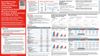
 Baricitinib works better in adolescents than adults for treating severe alopecia areata.
July 2024 in “Journal of Investigative Dermatology” DS-2325a is safe and well-tolerated, supporting further development for Netherton Syndrome treatment.
 August 2021 in “Journal of medical science and clinical research”
 An infant with seizures and hair loss was diagnosed with biotinidase deficiency and treated successfully with biotin.
March 2026 in “SKIN The Journal of Cutaneous Medicine” Ritlecitinib is being tested for safety and effectiveness in young children with severe alopecia areata.
83 citations
,
July 2004 in “Pharmacology Biochemistry and Behavior” Higher 3α,5α-THP levels in the brain may reduce depression in pregnant rats.
 July 2017 in “Nursing2023”
 Actemra is approved for a specific artery condition, HIV treatment adherence has improved, women may pay more for a hair loss product, and incorrect dosing of blood thinners can be risky.
 April 2023 in “Journal of the American Academy of Dermatology”
 Switching between the medications tofacitinib and baricitinib can be effective for treating hair loss in alopecia areata.
January 2024 in “Arquivos de Neuro-Psiquiatria” Both new medications and non-drug treatments can effectively manage migraines with fewer side effects.