 March 2024 in “Journal of animal science/Journal of animal science ... and ASAS reference compendium”
 Soy hull supplementation did not affect sheep gastrointestinal parasite infection compared to corn-based supplements.
 January 2024 in “Collagen and leather”
 The conclusion is that using bovine milk permeate to remove wool from sheepskins is eco-friendly and results in smoother, higher quality leather compared to traditional sulfide methods.
 August 2020 in “Egyptian Veterinary Medical Society of Parasitology Journal (EVMSPJ)”
 10.5% of sheep in Ismailia, Egypt, had Sarcoptes scabiei, causing skin issues.
3 citations
,
April 2014 in “Anatomy Research International” Buffalo mammary glands develop in stages from 34 to 229 days during prenatal growth.
The FOS gene helps hair growth in Tan sheep.
8 citations
,
June 1934 in “Archives of Dermatology and Syphilology” Ringworm of the scalp can heal on its own, especially if caused by animal-related fungi.
13 citations
,
September 2012 in “Cell & tissue research/Cell and tissue research” pCLCA2 protein may help maintain skin structure and function.
4 citations
,
January 2014 in “JOURNAL OF CLINICAL AND DIAGNOSTIC RESEARCH” Oral minipulse therapy effectively treated bullous lichen planus in a 35-year-old woman.
24 citations
,
May 2022 in “BMC Veterinary Research” lncRNAs play a key role in hair follicle development, affecting cashmere quality and yield.
September 2025 in “Indian Journal of Dermatology” A Turkish woman has a hair condition caused by a LIPH gene mutation.
16 citations
,
January 2015 in “Genetics and Molecular Research” The research helps improve wool quality and aids human hair research.
Lichen planus commonly affects middle-aged adults, often involves limbs and mucosal areas, and can be linked to immune diseases.
 12 citations
,
September 2018 in “Naturwissenschaften”
12 citations
,
September 2018 in “Naturwissenschaften” Melatonin treatment increases a specific RNA in goat cells that boosts cashmere growth.
 March 2026 in “BMC Veterinary Research”
 Bovine amniotic membrane with propolis helped a cat's large skin wound heal quickly and fully.
23 citations
,
December 1990 in “PubMed” SLE should be considered in horses with immune-related skin issues.
5 citations
,
November 2010 in “Veterinary Record” The monkeys' skin infection was cured in eight weeks using oral terbinafine, topical washes, and disinfectant fogging.
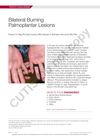
The woman was diagnosed with lichen sclerosus, a rare skin condition, after initial misdiagnosis and ineffective treatments.
June 2023 in “International Journal of Dermatology” Lichen planus pigmentosus mainly affects middle-aged women with darker skin, is underreported, and is hard to treat.
5 citations
,
November 2024 in “Frontiers in Nutrition” LB-P9 supplements improve hair health and satisfaction without side effects.
Genes and metabolites affect cashmere fiber thickness, which can improve cashmere quality.
November 2025 in “Agriculture” Machine learning can effectively identify genes to improve wool quality in sheep.
 January 2008 in “Vestnik Tomskogo gosudarstvennogo universiteta Filologiya”
 Overexpressing the Tβ4 gene in goats can increase cashmere production.
46 citations
,
September 2010 in “Veterinary Dermatology” Many alpacas have skin diseases, with bacterial infections being the most common.
 August 2023 in “Jurnal Pharmacia Mandala Waluya”
 Albizia saponaria bark extract at 20% concentration promotes hair growth in rabbits.
25 citations
,
May 1972 in “Canadian journal of zoology” Black-tailed deer have four types of pelages and molt twice a year.
January 2026 in “Ethnobiology” 11 citations
,
August 1987 in “Archives of Dermatology” Langerhans' cells are not involved in hair depigmentation in these mice.
 October 2025 in “Animal Bioscience”
 Key RNAs and genes linked to cashmere shedding in goats were identified.
57 citations
,
August 2002 in “American Journal Of Pathology” Cathepsin L deficiency causes hair and skin issues in mice.
12 citations
,
April 2005 in “Journal of Herbs Spices & Medicinal Plants” Horse chestnut has ornamental uses and potential health benefits, but more research is needed on its cultivation and properties.