59 citations
,
February 2019 in “BMC Genomics” Hair length in rabbits is linked to differences in lipid metabolism and cell death.
 32 citations
,
May 2018 in “Cell Cycle”
32 citations
,
May 2018 in “Cell Cycle” Melatonin helps Cashmere goats grow more hair by affecting certain genes and cell pathways.
23 citations
,
January 2018 in “BMC genomics” Vimentin is involved in regulating the hair growth cycle in Inner Mongolian Cashmere goats.
July 2024 in “LA CIENCIA AL SERVICIO DE LA SALUD Y NUTRICIÓN” The condition is harmless, doesn't worsen, and needs no invasive treatment.
August 2021 in “Journal of Investigative Dermatology” ILC1-like cells can cause alopecia areata by disrupting hair follicle immunity, suggesting a new treatment approach.
January 2021 in “Research Square (Research Square)” Long noncoding RNAs may help understand rabbit hair follicle density.
 7 citations
,
March 2022 in “Frontiers in Genetics”
7 citations
,
March 2022 in “Frontiers in Genetics” The research found specific genes that may cause longer hair in Tianzhu White Yak.
April 2023 in “Journal of Investigative Dermatology” AL136131.3 slows hair growth by affecting energy processes in hair loss.

Caucasian and Mediterranean hair is denser and varies in color and texture compared to African and Asian hair.
 May 2014 in “JAMA Dermatology”
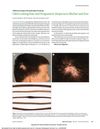
 Mother and son diagnosed with a rare genetic hair loss condition with no effective treatment.
69 citations
,
May 1997 in “Veterinary Pathology” The angora mouse mutation causes long hair and hair defects due to a gene deletion.
 January 2022 in “Figshare”
 Melatonin affects specific gene patterns and biological processes in goat hair growth.
5 citations
,
November 2012 in “Journal of the American Academy of Dermatology” A 3-year-old girl has short anagen syndrome, causing her hair to stay short.
January 2022 in “Clinical Cases in Dermatology” A 12-year-old boy has a rare, harmless hair loss on his chin with no need for treatment.
February 2019 in “International Journal of Dermatology and Clinical Research” Nε-(carboxymethyl) lysine delays hair growth by blocking a key protein.
 November 2005 in “Nature Reviews Molecular Cell Biology”
 The protein hairless is important for hair regrowth because it stops the protein wise from blocking the hair cycle.
January 2012 in “The Journal of Practical Medicine” Chinese Han individuals have fewer hair follicles and hairs than Caucasians and Africans.
7 citations
,
September 2022 in “International journal of molecular sciences” The research found that the molecule lncRNA-H19 helps hair follicle cells grow by affecting certain cell pathways in cashmere goats.

A genetic variant in the KRT71 gene may cause loose anagen hair and wooly hair, and symptoms might improve with age.
February 2012 in “World Allergy Organization Journal” Alopecia can be a symptom of Neonatal Lupus.
 41 citations
,
November 2011 in “The Journal of Dermatology”
41 citations
,
November 2011 in “The Journal of Dermatology” Some hair loss disorders are caused by genetic mutations affecting hair growth.
 1 citations
,
February 2009 in “Journal of Investigative Dermatology”
1 citations
,
February 2009 in “Journal of Investigative Dermatology” Lipase H is important for hair follicle function and shaping hair fibers.
 July 2022 in “Journal of Investigative Dermatology”
 IL-15 helps maintain hair growth and protects the immune status of hair follicles.
Finasteride and luteolin may help promote hair growth.
8 citations
,
January 2014 in “Indian Journal of Paediatric Dermatology” Congenital atrichia with papular lesions causes permanent hair loss and skin bumps from birth.
9 citations
,
January 1998 in “Studia Anglica Posnaniensia: international review of English Studies” Wound-induced hair growth may help study regeneration and aging, but it's unclear if this ability decreases with age.
lncRNA MRPS28 regulates hair follicle development in cashmere goats, affecting cashmere quality.
 9 citations
,
June 2014 in “British Journal of Dermatology”
9 citations
,
June 2014 in “British Journal of Dermatology” The study found that balding scalps have more thin hairs and larger oil glands, which might contribute to skin conditions related to hair loss.
7 citations
,
June 2012 in “Journal of dairy science” Bovine milk fats applied to mouse skin can promote hair growth similar to known hair growth treatments.
 7 citations
,
February 2018 in “Journal of Investigative Dermatology”
7 citations
,
February 2018 in “Journal of Investigative Dermatology” Fat tissue and a specific protein are crucial for healthy hair growth and maintenance.