 5 citations
,
June 2023 in “BMC genomics”
5 citations
,
June 2023 in “BMC genomics” A specific gene mutation causes long hair in Angora rabbits.
 April 2018 in “Journal of Investigative Dermatology”
 A new peptide, FOL-005, may help treat excessive hair growth by reducing a hair growth promoter, FGF7.
 25 citations
,
March 2014 in “Experimental Dermatology”
25 citations
,
March 2014 in “Experimental Dermatology” Leptin helps start the growth phase of hair.
August 2013 in “International Wound Journal” Non-hairy skin cells might be used to regenerate hair, helping with baldness and skin wounds.
February 2019 in “International Journal of Dermatology and Clinical Research” Nε-(carboxymethyl) lysine delays hair growth by blocking a key protein.
Antiandrogen treatment helps reduce hair follicles and sebaceous glands in hirsute women.
2 citations
,
March 2016 in “Serbian Journal of Dermatology and Venerology” A six-year-old boy with excessive hair growth and other symptoms may have a genetic link on chromosome 17q, requiring regular medical follow-ups.
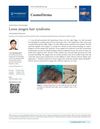 February 2023 in “Cosmoderma”
 Loose anagen hair syndrome causes easily shed hair but usually improves with time.
January 2012 in “The Journal of Practical Medicine” Chinese Han individuals have fewer hair follicles and hairs than Caucasians and Africans.
1 citations
,
February 1991 in “Journal of Biological Chemistry” 55 citations
,
June 1987 in “PubMed” Cyclosporin A significantly increases hair growth in certain areas of mice.
 9 citations
,
January 1992 in “Journal of Investigative Dermatology”
9 citations
,
January 1992 in “Journal of Investigative Dermatology” Sugar molecule helps hair growth, less in balding, returns with treatment.
11 citations
,
April 2012 in “Journal of Investigative Dermatology” A specific mutation in PA-PLA1α causes abnormal hair growth.
 September 2014 in “Chinese Journal of Dermatology”
 Hair diameter difference, brown skin discoloration around hair follicles, and missing hair in certain areas are key signs of androgenetic alopecia (commonly known as hair loss) when viewed under a dermoscope.
 May 2026 in “Research Square”
 The polyG fragment in Hoxc13 protein helps evolve mammalian skin and hair by enhancing gene interactions.
 April 2023 in “Australasian Journal of Dermatology”
 Lentiginous melanoma is most common on the face, especially the nose, cheek, and pre-auricular areas, with men more likely to have it on the scalp, ears, upper back, and trapezius, and women on the cheek and anterior arm. Sun damage is a key factor in its formation.
5 citations
,
April 2014 in “International Journal of Pediatric Endocrinology” Prepubertal girls with hypertrichosis have more sensitive androgen receptors, leading to increased body hair growth.
 2 citations
,
January 2000 in “Journal of Toxicologic Pathology”
2 citations
,
January 2000 in “Journal of Toxicologic Pathology” A single recessive gene causes sparse hair in certain Japanese White rabbits.
 19 citations
,
July 2006 in “Lasers in medical science”
19 citations
,
July 2006 in “Lasers in medical science” Laser hair removal is safe and effective for fair-skinned people with dark hair, and using eflornithine with laser treatments can improve results.
June 2023 in “Dermatopathology” A woman had a unique skin growth with hair follicle, oil glands, fat cells, spindle cells, and nerve fibers.
192 citations
,
October 1998 in “Experimental Dermatology” Androgenetic alopecia involves complex hair follicle changes and knowledge gaps remain.

The text is about acne, excessive hair growth, and hair loss due to hormones.
 February 2025 in “PubMed”
 Thorough scalp exams are crucial for diagnosing hair loss conditions in people with skin of color.
 January 2019 in “Proceedings for Annual Meeting of The Japanese Pharmacological Society”
 Nε-(carboxymethyl) lysine delays hair growth by blocking a key protein.

Facial hair is crucial for gender affirmation, but many face financial barriers to achieving desired results.
 November 2023 in “Frontiers in veterinary science”
 The study provides insights into hair growth mechanisms in yaks.
 April 2012 in “Informa Healthcare eBooks”
 Lichen planopilaris is a rare, chronic condition causing hair loss, mainly in middle-aged women, and early treatment is important to prevent permanent baldness.
 1 citations
,
January 1997 in “Journal of Investigative Dermatology”
1 citations
,
January 1997 in “Journal of Investigative Dermatology” RU58841, an androgen receptor blocker, significantly increased hair density, thickness, and length in monkeys when applied topically daily for several months.
 2 citations
,
June 2016 in “Journal of Medical Science And clinical Research”
2 citations
,
June 2016 in “Journal of Medical Science And clinical Research” Barever Natural Hair Inhibitor can help reduce unwanted body hair growth long-term when used with waxing or hair removal cream.
August 2025 in “Annals of African Medicine”