 November 2022 in “Journal of the Endocrine Society”
 Taking biotin can lead to incorrect low results in free testosterone tests.
 July 2022 in “Research Square (Research Square)”
 A young woman developed a bowel obstruction from eating hair extensions, highlighting the need for cultural awareness and research on these behaviors in the Black community.
 July 2022 in “L Endocrinologo”
 A 77-year-old woman with hair loss had high testosterone and 17OH-progesterone levels, but no significant findings on imaging.
 July 2022 in “Media Dermato Venereologica Indonesiana”
 The combination of PRP and triamcinolone injections improved hair growth in a man with alopecia areata.
 April 2022 in “Cermin Dunia Kedokteran”
 Accurate diagnosis and understanding of alopecia areata in children are crucial for proper treatment.
 June 2021 in “Current Research in Diabetes & Obesity Journal”
 Effective pre- and post-operative care is crucial for better outcomes in sleeve gastrectomy patients.
Low-dose sorafenib can cause severe facial acne, treatable with topical medication.
 February 2019 in “Institutional Repositories DataBase (IRDB)”
  January 2018 in “Journal of the American Academy of Dermatology”
 More extensive trials are needed to understand tofacitinib's role in treating severe hair loss.
 November 2017 in “Elsevier eBooks”
 PCOS is a genetic disorder affecting women's reproductive health, with treatments focused on symptoms like insulin resistance and fertility.
 November 2016 in “Endocrinology&Metabolism International Journal”
 PCOS has no cure, but treatments can manage symptoms and improve health.
 December 2014 in “Endocrinología y nutrición”
 The woman's rare combination of diseases suggests an unknown factor may predispose individuals to multiple endocrine diseases.
The chapter explains that there are many genetic skin disorders affecting skin cell formation, including both common and rare types.
 December 2013 in “Macedonian Journal of Medical Sciences”
 Ovarian steroid cell tumors should be considered in adults with hirsutism and high testosterone, with surgery as the main treatment.
 April 2012 in “Informa Healthcare eBooks”
 Classifying hair diseases, like alopecia, is difficult and needs more research to understand their causes.
 September 2011 in “Cancer”
 Men who start losing hair at 20 may have a higher chance of getting prostate cancer later.
 October 2010 in “Cambridge University Press eBooks”
 Lifestyle changes like diet and exercise are key for treating overweight women with polycystic ovary syndrome.
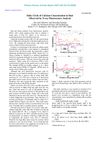
Hair can show daily calcium changes, linked to body calcium levels and influenced by hormones, and can help assess calcium metabolism issues.
 January 2007 in “The Year book of dermatology”
 Researchers successfully isolated and identified key stem cells in human hair follicles, which could help develop new skin and hair treatments.
 January 2006 in “Seibutsu Butsuri”
 Curly and straight hair differ in how their internal fibers are arranged.
 January 2006 in “Fertility and Sterility”
 The book provides a detailed guide on managing Polycystic Ovary Syndrome and is useful for physicians.
 December 2001 in “Fertility and Sterility”
 The book provides a clear overview of PCOD and is recommended for medical trainees and clinicians, but may lack depth for advanced researchers.
 June 1998 in “Biomedicine & Pharmacotherapy”
 Medical treatments like chemotherapy and radiotherapy can harm sperm production, so freezing sperm before treatment is important for men who want children later.
 September 1997 in “BioMed Research International”
 Female pattern hair loss often starts in teenage years, reduces hair density, and can impact quality of life.
 January 1990 in “Irish Journal of Medical Science (1971 -)”
 Retinoids are important for treating skin conditions but should be used with caution due to serious side effects and risks during pregnancy.
Amphetamine use may not cause hair loss, "geezer" traits are normal aging, not all educated older people are stereotypes, and metronidazole can rarely cause lung disease.
Amphetamines may not directly cause hair loss.
 June 2005 in “British Journal of Dermatology”
 Women find hair loss more distressing than men and often underestimate it, needing more public awareness and professional support.
 2 citations
,
November 2025 in “Journal of Ovarian Research”
2 citations
,
November 2025 in “Journal of Ovarian Research” Reducing granulosa cell pyroptosis may improve oocyte maturation in PCOS.
 2 citations
,
July 2019 in “Journal of The American Academy of Dermatology”
2 citations
,
July 2019 in “Journal of The American Academy of Dermatology” The comment questions the study's methods for diagnosing hair loss, the type of injections used, the reliability of hair count as a measure, the lack of detail about the procedure, and disagrees with the conclusion about the effect of needling.