 May 2022 in “Голова и шея.”
 Laser exposure at 445±40 nm safely increased tissue temperature without exceeding safety limits.
23 citations
,
May 2010 in “Surface and interface analysis” Chemical treatments and UV radiation severely damage the lipid layer on hair.
5 citations
,
September 2019 in “Journal of Biomedical Optics” 1319-nm laser radiation can cause skin damage, with severity depending on exposure time and beam size.
 April 2023 in “Journal of Investigative Dermatology”
 Sunlight simulation causes skin inflammation, with different skin types reacting at different levels of exposure.
26 citations
,
January 2012 in “JEADV. Journal of the European Academy of Dermatology and Venereology/Journal of the European Academy of Dermatology and Venereology” The ESLD recommends international safety guidelines and standards for home-use light-based hair removal devices.
 5 citations
,
January 2018 in “Annals of Dermatology”
5 citations
,
January 2018 in “Annals of Dermatology” A 308 nm excimer laser successfully treated a boy with a rare skin condition after about a year of weekly sessions.
Different types of sun exposure can damage skin cells and affect healing, with chronic exposure being more harmful, and certain immune cells help in the repair process.
10 citations
,
October 2014 in “Plastic & Reconstructive Surgery Global Open” Botulinum toxin type A injections improved hair growth and scalp health in a woman with radiation-induced hair loss.
 12 citations
,
October 2012 in “Dermatologic Clinics”
12 citations
,
October 2012 in “Dermatologic Clinics” Low-Level Laser Therapy and other light treatments for hair growth lack strong evidence and need more research.
 5 citations
,
November 2015 in “International Journal of Radiation Biology”
5 citations
,
November 2015 in “International Journal of Radiation Biology” Gamma-ray exposure can cause long-lasting damage to hair follicles, affecting hair structure and color.
12 citations
,
October 2013 in “British Journal of Dermatology” The meeting concluded with optimism about increasing research and better management of vitiligo.
 8 citations
,
August 2019 in “Dermatologic surgery”
8 citations
,
August 2019 in “Dermatologic surgery” Nonsteroid treatments for alopecia areata show promise but need more high-quality research.
4 citations
,
December 2021 in “Vestnik dermatologii i venerologii” Nonsurgical treatments for basal cell skin cancer are safe and effective.
 3 citations
,
January 2000
3 citations
,
January 2000 Some alternative therapies for vitiligo show promise but need more research.
 2 citations
,
November 2014
2 citations
,
November 2014 Common cosmetic dermatology techniques improve skin damaged by the sun and aging.
 1 citations
,
June 2025 in “Preprints.org”
1 citations
,
June 2025 in “Preprints.org” Climate change harms skin health and reduces the effectiveness of aesthetic treatments.
 February 2026 in “American Journal of Clinical Dermatology”
 Radiotherapy can cause skin fibrosis, which is often overlooked and needs better treatment and evaluation.
 7 citations
,
August 2018 in “South African Medical Journal”
7 citations
,
August 2018 in “South African Medical Journal” Clinicians should understand tattoos to manage health issues, as tattoos can cause complications and affect medical assessments.
 3 citations
,
January 2008 in “Actas dermo-sifiliográficas/Actas dermo-sifiliográficas”
3 citations
,
January 2008 in “Actas dermo-sifiliográficas/Actas dermo-sifiliográficas” Early diagnosis and treatment of Hidradenitis Suppurativa are important to prevent serious physical and mental effects.
 48 citations
,
January 2014 in “Dermatology Online Journal”
48 citations
,
January 2014 in “Dermatology Online Journal” New treatments for Dissecting cellulitis show promise, but more research is needed to understand the disease and establish a standard treatment plan.
 10 citations
,
July 2022 in “Dermatology and Therapy”
10 citations
,
July 2022 in “Dermatology and Therapy” Melasma's causes include genetics, sun exposure, hormones, and oxidative stress, and understanding these can help create better treatments.
 4 citations
,
May 2021 in “Dermatologic Clinics”
4 citations
,
May 2021 in “Dermatologic Clinics” The conclusion is that hair loss in women is caused by a mix of hormonal, environmental, and genetic factors, and treatments should target these various causes.
January 2014 in “한국미용학회지” UV-A radiation significantly damages semi-permanent dyed hair.
 January 2017 in “NASA Technical Reports Server (NASA)”
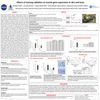
 Early changes in skin gene expression can predict later bone mass loss after radiation exposure.
 1 citations
,
January 2019 in “Journal of Nuclear Technologyin Applied Science (JNTAS) (Print)”
1 citations
,
January 2019 in “Journal of Nuclear Technologyin Applied Science (JNTAS) (Print)” Low-level laser therapy speeds up skin healing and stimulates hair follicles in mice after radiation exposure.
22 citations
,
September 1986 in “Journal of Investigative Dermatology” Low-dose topical alpha-terthienyl may be a safer option for treating skin conditions with light therapy.
 9 citations
,
October 2014 in “Clinical and Experimental Dermatology”
9 citations
,
October 2014 in “Clinical and Experimental Dermatology” Temporary hair loss can occur after brain AVM treatment but usually regrows in 8 weeks.
 May 2023 in “Current Applied Science and Technology”
 Higher power CO2 laser causes more severe skin burns and damage.
 19 citations
,
December 2015 in “Journal of Investigative Dermatology”
19 citations
,
December 2015 in “Journal of Investigative Dermatology” The protein p53 directly reduces the production of Keratin 17, a skin and hair protein, in rats with radiation dermatitis.
 13 citations
,
October 2019 in “Journal of lasers in medical sciences”
13 citations
,
October 2019 in “Journal of lasers in medical sciences” CO2 laser treatment for aging skin significantly changes immune system-related genes.