 September 2024 in “The Indian Veterinary Journal”
 A Labrador pup with a fungal skin infection was fully cured in four weeks using topical treatments and immune boosters.
5 citations
,
January 2011 in “Archives de Pédiatrie” A severe form of Netherton syndrome caused by a specific gene mutation led to neonatal deaths in a family.
12 citations
,
March 1981 in “International Journal of Dermatology” External factors like certain shampoos, bacterial infections, and parasites might cause hair defects similar to genetic conditions.
 January 2026 in “JOURNAL OF CLINICAL AND DIAGNOSTIC RESEARCH”
 A 62-year-old man with diabetes and kidney disease had itchy skin lesions diagnosed as perforating folliculitis, treated with medication and skin care.
 April 2023 in “JIVA : journal of Indian Veterinary Association Kerala/JIVA :Journal of Indian Veterinary Association, Kerala”
 The dog fully recovered one month after treatment.
 94 citations
,
October 2017 in “International Journal of Dermatology”
94 citations
,
October 2017 in “International Journal of Dermatology” Lichen planus pigmentosus causes dark skin patches and is treated by avoiding triggers and using anti-inflammatory medications.
 March 2014 in “Journal of The American Academy of Dermatology”
 Mycophenolic acid may help hair growth, a combination treatment improves hair thickness in male hair loss, and early treatment of frontal fibrosing alopecia is important.
March 2024 in “Clinical Case Reports” Early detection of tinea capitis is possible by spotting specific hair patterns like comma or corkscrew hairs.
 January 2008 in “Journal of The American Academy of Dermatology”
 A nonchemical lotion was found effective in killing head lice and their eggs in most people, indicating it could be useful for managing head lice.
 1 citations
,
April 2016 in “Journal of The American Academy of Dermatology”
1 citations
,
April 2016 in “Journal of The American Academy of Dermatology” A man developed a rare skin condition and drug-induced lupus, highlighting the need for biopsy in diagnosing skin issues caused by sunlight.
20 citations
,
August 2003 in “Clinical and Experimental Dermatology” A new genetic mutation in the hairless gene causes a rare hair loss disorder.
6 citations
,
January 2022 in “Veterinary Sciences” Feline cutaneous lymphocytosis is likely reactive, while canine cutaneous lymphocytosis needs more study to understand its nature.
 1 citations
,
July 2009 in “Journal of dermatology”
1 citations
,
July 2009 in “Journal of dermatology” A 29-year-old man had a jaw plaque diagnosed as follicular mucinosis, linked to nestin-positive hair follicle stem cells.
 May 2025 in “The Journal of Rheumatology”
 Catatonia can be a rare sign of lupus, needing careful diagnosis and treatment.
2 citations
,
May 2022 in “International journal of trichology” Plica neuropathica is a tangled hair condition that may be caused by hair damage or psychiatric issues and is treated by cutting the hair and addressing mental health.
3 citations
,
July 2022 in “Indian Journal of Dermatology” ALEP is a drug-triggered skin reaction with pustules that clears up in a week after stopping the drug.
18 citations
,
September 1994 in “Clinical and Experimental Dermatology” Localized trichorrhexis nodosa is a hair condition where hair becomes fragile and breaks easily due to damage.
2 citations
,
January 2017 in “International Journal of Trichology” Trichoscopy can reveal specific hair and scalp changes in linear morphea.
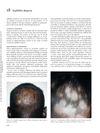 April 2012 in “Informa Healthcare eBooks”
 Syphilitic alopecia is a rare hair loss condition in secondary syphilis that looks similar to another condition but can be diagnosed with specific tests and responds to antibiotics.
 47 citations
,
June 2014 in “Journal of Dermatological Treatment”
47 citations
,
June 2014 in “Journal of Dermatological Treatment” Most treatments for lichen planopilaris were found to be generally unsatisfactory.
1 citations
,
January 2020 in “Skin Appendage Disorders” Treatment with methotrexate and prednisolone led to complete hair regrowth and no relapse for 2 years.
3 citations
,
February 2017 in “The American journal of dermatopathology/American journal of dermatopathology” Sarcoidosis can mimic other skin disorders, making diagnosis challenging.
 42 citations
,
September 2018 in “Journal of Fungi”
42 citations
,
September 2018 in “Journal of Fungi” Terbinafine and itraconazole are more effective against Microsporum canis than fluconazole and griseofulvin.
 January 2025 in “International Journal of Veterinary Sciences and Animal Husbandry”
 The cat fully recovered from the infection after treatment.
 October 2021 in “The Egyptian Journal of Hospital Medicine”
 Platelet-rich plasma is a safe and effective treatment for oral lichen planus.
 86 citations
,
July 2012 in “British journal of dermatology/British journal of dermatology, Supplement”
86 citations
,
July 2012 in “British journal of dermatology/British journal of dermatology, Supplement” There may be a connection between Frontal Fibrosing Alopecia and Lichen Planus Pigmentosus, and more research is needed to confirm this.
Dissecting cellulitis and folliculitis keloidalis cause intense inflammation without bacterial infection.
3 citations
,
March 2021 in “Indonesia Medicus Veterinus” The dog's health improved after treatment with antibiotics and other medications.
18 citations
,
July 2001 in “International Journal of Dermatology” A 12-year-old boy's hair loss and skin issues improved significantly with medication.
 9 citations
,
January 2020 in “Skin appendage disorders”
9 citations
,
January 2020 in “Skin appendage disorders” Hair loss from conditions like LPP and FFA can potentially be reversed with the right treatment.