May 2025 in “Clinical Proteomics” Key proteins and potential drugs for treating alopecia areata were identified.
 8 citations
,
April 2022 in “The journal of investigative dermatology/Journal of investigative dermatology”
8 citations
,
April 2022 in “The journal of investigative dermatology/Journal of investigative dermatology” Certain genetic changes in the LSS gene cause a rare skin and hair condition.
 28 citations
,
October 2004 in “Differentiation”
28 citations
,
October 2004 in “Differentiation” A gene deletion causes the "hairless" trait in Iffa Credo rats.
 April 2021 in “Journal of Investigative Dermatology”
 People with atopic dermatitis have more CD4+ T cells that respond to a certain bacterial lipid, which may play a role in the skin condition's inflammation.
Genetic mutations linked to ectodermal dysplasias and hair loss were identified in Pakistani families.
Laser diode light boosts hair follicle cell growth and certain gene expressions.
A new genetic mutation was found causing hair and eye issues in a boy.
The scant hair in snthr-1Bao mice is likely caused by a deletion affecting the Plcd1 gene.
38 citations
,
September 1997 in “The journal of investigative dermatology/Journal of investigative dermatology” A mutation in mice causes hair loss and skin issues due to a defect in a gene affecting cell adhesion.
 October 2024 in “Tikrit Journal of Pure Science”
 High Geh gene expression in Staphylococcus aureus contributes to acne.
 41 citations
,
November 2011 in “The Journal of Dermatology”
41 citations
,
November 2011 in “The Journal of Dermatology” Some hair loss disorders are caused by genetic mutations affecting hair growth.
7 citations
,
August 2019 in “JAAD Case Reports” Hidradenitis suppurativa may be more severe in people with Mediterranean fever gene mutations.
119 citations
,
August 2010 in “Journal of Investigative Dermatology” Increased 11β-HSD1 activity in skin may contribute to aging and could be targeted to reduce aging effects.
14 citations
,
September 2006 in “Experimental Dermatology” Interleukin‐1 α reduces androgen receptor levels and increases certain cytokines in human scalp cells.
77 citations
,
February 2001 in “Journal of Dermatological Science” HGF activator helps convert HGF to its active form, promoting hair growth.
 2 citations
,
August 2020 in “Scientific reports”
2 citations
,
August 2020 in “Scientific reports” Genes related to keratin, skin cell differentiation, and immune functions are key in hedgehog skin and spine development.
June 2003 in “Faculty Opinions – Post-Publication Peer Review of the Biomedical Literature” GLABRA2 represses root hair formation by inhibiting a specific gene.
 September 2017 in “Journal of Investigative Dermatology”
 Stabilizing HIF-1A in hair follicles may reduce oxidative stress and promote hair growth by increasing glycolysis.
 4 citations
,
December 2012 in “Human Biology”
4 citations
,
December 2012 in “Human Biology” The most different genetic segment between Africans and East Asians is the EDA2R/AR region, with two main types influenced by population changes and natural selection, and linked to baldness.
 30 citations
,
July 2019 in “PloS one”
30 citations
,
July 2019 in “PloS one” Patients with Alopecia areata have fewer specific immune cells that normally regulate the immune system, which may contribute to the condition.
 July 2023 in “The Keio Journal of Medicine”
 Certain gene variants can cause inherited hair diseases, which are important to diagnose and understand for patient care.
January 2004 in “Molecular biotechnology”  7 citations
,
October 2019 in “Clinical, Cosmetic and Investigational Dermatology”
7 citations
,
October 2019 in “Clinical, Cosmetic and Investigational Dermatology” Certain gene variations in the Vitamin D receptor may increase the risk of chronic hair loss.
 January 2013 in “Faculty of Health; Institute of Health and Biomedical Innovation”
 Four genetic risk areas related to male-pattern baldness were identified, with WNT signaling playing a role in its development.
4 citations
,
August 2024 in “Skin Research and Technology” The study was retracted.
1 citations
,
January 2023 in “PubMed” Urtica dioica extract may help treat androgenic skin diseases by reducing a specific gene's activity.
 20 citations
,
August 2005 in “Journal of Cutaneous Pathology”
20 citations
,
August 2005 in “Journal of Cutaneous Pathology” The protein ARA70/ELE1 is involved in male pattern baldness, and lower levels of its short form may lead to hair thinning.
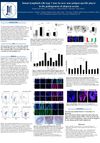
Innate lymphoid cells type 1 may contribute to alopecia areata by damaging hair follicles.
January 2009 in “China Practical Medicine” Certain genes help dermal papillae cells in hair follicles grow and group together.
November 2025 in “Journal of Investigative Dermatology” Certain CD8+ T cells attack hair follicles in alopecia areata, suggesting they could be targeted for treatment.