 April 2018 in “The journal of investigative dermatology/Journal of investigative dermatology”
 Mitochondrial dysfunction may contribute to chronic inflammation and immune system issues in Lichen planopilaris.
 2 citations
,
October 2014 in “International Journal of Trichology”
2 citations
,
October 2014 in “International Journal of Trichology” Low-level laser therapy may increase hair density in pattern hair loss.
32 citations
,
August 1982 in “Journal of the American Academy of Dermatology” GLPLS and LPP are variants of lichen planus.
January 1996 in “Studia iuridica” Two new gene mutations cause a rare hair disorder.
 7 citations
,
June 2010 in “Journal of The American Academy of Dermatology”
7 citations
,
June 2010 in “Journal of The American Academy of Dermatology” Tranilast successfully treated a man's skin sarcoidosis when other treatments failed.
 5 citations
,
January 2012 in “PubMed”
5 citations
,
January 2012 in “PubMed” Anti-MND antibodies are present in various diseases, not just PBC, and their levels don't correlate with disease activity or skin symptoms.

The document's conclusion cannot be provided because the document is not readable or understandable.
6 citations
,
June 2022 in “Journal of Orthopaedic Surgery and Research” Wedelolactone may help reduce bone loss with fewer side effects.
June 2024 in “Cermin Dunia Kedokteran” Low level laser therapy is effective and safe for various skin and hair conditions.

Not having the gene PLAAT3 leads to fat loss, high insulin resistance, and abnormal fat levels in the blood due to a disruption in fat cell development and function.
Early diagnosis and treatment of Lichen Planopilaris are crucial to prevent permanent hair loss.
5 citations
,
May 2022 in “Diagnostics” Certain genetic markers can indicate higher or lower risk for systemic lupus erythematosus.
8 citations
,
July 2015 in “International Journal of Dermatology” A new DSG4 gene mutation causes hair defects in a young girl.
3 citations
,
September 2021 in “JAAD case reports” Denosumab, a bone loss treatment, may cause hair loss and skin reactions due to immune system effects.
2 citations
,
April 2025 in “Plants” Lambertianic acid helps prevent muscle wasting.
June 2025 in “British Journal of Dermatology” Lichen planopilaris may have a genetic link.
January 2009 in “Chinese Journal of Evidence-Based Pediatrics” Neonatal lupus symptoms usually resolve, but some children may develop other autoimmune diseases later.
33 citations
,
October 2005 in “Journal of Investigative Dermatology” A specific gene mutation causes sparse, brittle hair in a family.
 April 2012 in “Informa Healthcare eBooks”
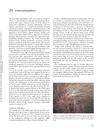
 Lichen planopilaris is a rare, chronic condition causing hair loss, mainly in middle-aged women, and early treatment is important to prevent permanent baldness.
107 citations
,
March 2014 in “BoneKEy Reports” Mutations in the vitamin D receptor cause hereditary vitamin D-resistant rickets, leading to poor bone health and requiring high calcium doses for treatment.
7 citations
,
January 2022 in “Bioengineering” The formulation with oleic acid may be better for treating male pattern baldness.
 11 citations
,
August 2010 in “Pediatric dermatology”
11 citations
,
August 2010 in “Pediatric dermatology” Tacalcitol cream effectively and safely treated a rare skin condition called Lichen Spinulosus in two cases.
 April 2023 in “Research Square (Research Square)”
 A specific RNA helps increase the growth of skin cells in Liaoning cashmere goats by working with a protein to boost a growth-related gene.
 81 citations
,
November 2012 in “Journal of the National Cancer Institute”
81 citations
,
November 2012 in “Journal of the National Cancer Institute” The tumor suppressor gene FLCN affects mitochondrial function and energy use in cells.
December 2018 in “Zenodo (CERN European Organization for Nuclear Research)” Low-level laser therapy may help hair growth, but more research is needed.

Low level laser or LED therapy combined with infiltrations may help hair growth.
 2 citations
,
April 2018 in “International Journal of Research in Dermatology”
2 citations
,
April 2018 in “International Journal of Research in Dermatology” Linear skin conditions are rare, more common in females, and often misdiagnosed without tissue analysis.
January 2025 in “Indian Journal of Dermatopathology and Diagnostic Dermatology” Dermoscopy helps diagnose rare GLPLS in males.
July 2024 in “Journal of Investigative Dermatology” Low-dose oral minoxidil is safe for alopecia patients, even those prone to edema.
 12 citations
,
March 2019 in “Lasers in Surgery and Medicine”
12 citations
,
March 2019 in “Lasers in Surgery and Medicine” Low-level laser therapy improves hair growth and dermal papilla cell function.