 January 2022 in “Stem cell biology and regenerative medicine”
 New biofabrication technologies could lead to treatments for hair loss.
 November 2021 in “Research Outreach”
 Low testosterone levels may lead to more severe COVID-19 outcomes.

Hair aging leads to color loss and reduced density, and dermatologists are key in treating it to improve quality of life.
 April 2021 in “Annales de Dermatologie et de Vénéréologie - FMC”
 Biphasic alopecia often leads to permanent hair loss and its progression varies widely among individuals.
 January 2021 in “Journal of Pakistan Association of Dermatology”
 COVID-19 recovery can lead to temporary hair loss called telogen effluvium.

Increased free testosterone can lead to stronger bones and less body fat but also higher risks of prostate cancer, hair loss, spine issues, and high blood pressure.
 September 2019 in “Philippine Journal of Internal Medicine”
 Early immunosuppressive therapy leads to favorable outcomes in Filipino lupus patients with myocarditis.
May 2018 in “Dermatologic Surgery” Laser skin treatments can lead to viral infections like molluscum contagiosum, so precautions are important.
 April 2018 in “The Journal of Urology”
 Dutasteride use can lead to a stable decline in sexual function that is not affected by age or prostate size.
 May 2017 in “InTech eBooks”
 Hair transplantation can lead to complications like pain, swelling, and rare serious issues, but risks can be reduced with careful practices.
April 2016 in “CRC Press eBooks” Biotechnology could lead to new hair growth products.
 March 2015 in “Surgery (oxford)”
 Critical illness can lead to long-lasting physical and psychological problems, requiring ongoing, specialized care and rehabilitation.
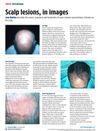 January 2015 in “Independent Nurse”
 Different scalp conditions can lead to hair loss or tumors, with treatments varying from creams to surgery; early detection is crucial.
 October 2014 in “Archives of disease in childhood”
 Childhood cancer diagnosis leads to long-term physical and emotional health issues in parents.
June 2013 in “The mental health clinician” Large data can lead to new medical discoveries and personalized medicine.
 January 2013 in “Anthropology”
 Untreated androgenetic alopecia leads to progressive hair loss in men.
 March 2010 in “Hair transplant forum international”
 Forehead taping can sometimes lead to unexpected problems.
 February 2009 in “International Journal of Dermatology”
 New dermatology leaders and events were announced.
October 2008 in “Experimental and Clinical Endocrinology & Diabetes” Long-term unemployment leads to higher stress levels.
 September 2008 in “Fertility and Sterility”
 Greater intimacy leads to better self-reported health in couples having infertility treatment.
May 2008 in “Texas ScholarWorks (Texas Digital Library)” Vertical mergers can lead to collusion, advertising often peaks then declines, and incumbents can disrupt new competitors.
Translation can lead to misunderstandings in clinical research.
April 2003 in “Journal of Clinical Dermatology” Capsaicin and minoxidil together lead to quick, steady hair growth.
July 2002 in “Science s STKE” Modified β-catenin causes different effects in hair and skin cells, leading to cysts or tumors.
July 2002 in “Science Signaling” Modified β-catenin can cause different effects in mouse skin cells, leading to cysts or tumors depending on the cell type.
 September 1998 in “Journal of The European Academy of Dermatology and Venereology”
 Aging can lead to poorer scalp and hair health, including less hair and more scalp diseases, which should be managed to help older people feel better.
September 1994 in “International Society of Hair Restoration Surgery” Combining Finasteride and Minoxidil leads to impressive hair growth.

Treatments for acute leukaemia lead to high remission rates, but relapses occur, requiring ongoing advancements in care.

More minoxidil applied topically leads to better hair growth in male pattern baldness.
January 2013 in “Journal of Hubei University of Science and Technology(Medical Sciences)” Family history leads to earlier and more severe hair loss.