 1 citations
,
January 2017 in “Springer eBooks”
1 citations
,
January 2017 in “Springer eBooks” Understanding the immune-related causes of Alopecia Areata has led to potential treatments like JAK inhibitors.
 1 citations
,
January 2014 in “Health Renaissance”
1 citations
,
January 2014 in “Health Renaissance” Pseudopelade of Brocq is hard to diagnose and treat, with limited effective options.
 December 2024 in “Cureus”
 Baricitinib treatment for alopecia universalis can cause hair regrowth with unexpected whitening.
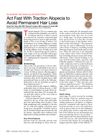 July 2024 in “Federal Practitioner”
 Act quickly to prevent permanent hair loss from tight hairstyles.
A teenager had both alopecia areata and vitiligo, which are rare to occur together.
 April 2021 in “Sohag Medical Journal”
 Alopecia areata is an autoimmune condition causing hair loss, linked to genetic factors and immune system issues, with no cure yet.
 June 2019 in “Journal of evolution of medical and dental sciences”
 Dermoscopy is useful for tracking alopecia areata treatment, with yellow dots and new vellus hairs being good indicators of hair regrowth.
 July 2018 in “British Journal of Dermatology”
 Hair regrowth was seen in 83% of children with alopecia, immune system plays a role in the condition, and various treatments showed effectiveness for hair and nail disorders.
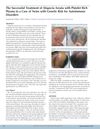 January 2018 in “Hair transplant forum international”
 PRP injections can effectively treat alopecia areata.
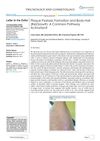 March 2017 in “Trichology and cosmetology:”
 Psoriasis treatment may affect body hair growth, with a complex relationship between skin and hair growth mechanisms.
Cosmetics can help with mild skin problems and daily care but must be used carefully to avoid skin irritation.
 September 2014 in “Springer eBooks”
 Aging causes hair to gray and thin, with the timing of graying varying by race, and factors like oxidative stress and genetics can lead to hair loss.
 July 2008 in “British Journal of Dermatology”
 Cyclosporin doesn't stop hair loss.
 11 citations
,
August 2016 in “Journal of dermatological treatment”
11 citations
,
August 2016 in “Journal of dermatological treatment” Tip cryotherapy effectively treats idiopathic guttate hypomelanosis with minimal side effects.
 10 citations
,
May 2018 in “Cell death discovery”
10 citations
,
May 2018 in “Cell death discovery” HSP90 and lamin A/C are crucial for hair growth and could be targets for treating hair loss.
 99 citations
,
July 2017 in “Clinical Reviews in Allergy & Immunology”
99 citations
,
July 2017 in “Clinical Reviews in Allergy & Immunology” New treatments for Alopecia Areata show promise but need to be more effective and affordable.
 31 citations
,
September 2014 in “Journal of Pharmaceutical Sciences”
31 citations
,
September 2014 in “Journal of Pharmaceutical Sciences” Using a special laser can improve how well hair loss treatments get into the skin and hair follicles.
 29 citations
,
December 2017 in “International Journal of Dermatology”
29 citations
,
December 2017 in “International Journal of Dermatology” People with alopecia areata often have lower vitamin D levels, which are linked to more severe and longer-lasting hair loss, but vitamin D receptor levels in the skin don't show the same pattern and don't predict treatment success.
 15 citations
,
December 2017 in “Journal of The European Academy of Dermatology and Venereology”
15 citations
,
December 2017 in “Journal of The European Academy of Dermatology and Venereology” Frontal fibrosing alopecia and androgenetic alopecia may be related, with a possible shared cause.
 2 citations
,
January 2013 in “Elsevier eBooks”
2 citations
,
January 2013 in “Elsevier eBooks” The document explains the genetic causes and characteristics of inherited hair disorders.
 1 citations
,
September 2013 in “Elsevier eBooks”
1 citations
,
September 2013 in “Elsevier eBooks” Hair ages and thins due to factors like inflammation and stress, and treatments like antioxidants and hormones might improve hair health.
 January 2026 in “Journal of Cosmetics Dermatological Sciences and Applications”
 PRP shows promise for hair restoration with mild side effects, but more research is needed for clear guidelines.
 December 2013 in “Research Portal (King's College London)”
 Hair loss in Lichen Planopilaris is caused by immune system issues damaging hair follicles and stem cells.
 33 citations
,
December 2005 in “Archives of dermatology”
33 citations
,
December 2005 in “Archives of dermatology” Alefacept showed some effectiveness for alopecia areata but needs more research.
 290 citations
,
December 2017 in “Journal of The American Academy of Dermatology”
290 citations
,
December 2017 in “Journal of The American Academy of Dermatology” Alopecia areata is an autoimmune condition causing hair loss, influenced by genetics, stress, and diet, and may be prevented by a high soy oil diet.
 233 citations
,
November 2002 in “The journal of investigative dermatology/Journal of investigative dermatology”
233 citations
,
November 2002 in “The journal of investigative dermatology/Journal of investigative dermatology” Creating stronger blockers for skin enzymes might lead to better treatment for conditions like acne and excessive hair growth.
 196 citations
,
September 2016 in “JCI insight”
196 citations
,
September 2016 in “JCI insight” Ruxolitinib effectively regrows hair in most patients with severe hair loss.
 182 citations
,
October 2003 in “British Journal of Dermatology”
182 citations
,
October 2003 in “British Journal of Dermatology” The 2003 guidelines suggest that while some treatments can regrow hair in alopecia areata, none alter the disease's progression, and wigs may be the best option for extensive hair loss.
 166 citations
,
April 2012 in “Journal of The American Academy of Dermatology”
166 citations
,
April 2012 in “Journal of The American Academy of Dermatology” Mostly postmenopausal Caucasian women get Frontal Fibrosing Alopecia, which often includes eyebrow loss and has limited treatment success.
 150 citations
,
October 2010 in “The American Journal of Pathology”
150 citations
,
October 2010 in “The American Journal of Pathology” The document concludes that more research is needed to better understand and treat primary cicatricial alopecias, and suggests a possible reclassification based on molecular pathways.