 November 2022 in “The journal of investigative dermatology/Journal of investigative dermatology”
 TYK2 inhibition may help treat alopecia areata by promoting hair growth and reducing immune response.
19 citations
,
August 1996 in “British Journal of Dermatology” Alopecia areata affects hair follicle structure, even in non-balding areas.
 May 2026 in “Journal of the Egyptian Womenʼs Dermatologic Society”
 Intralesional methotrexate effectively treats patchy alopecia areata by reducing inflammation.
Intralesional methotrexate effectively treats alopecia areata by reducing TNF-α levels, leading to hair regrowth.
 January 2024 in “Elsevier eBooks”
 Increasing regulatory T cells may help treat alopecia areata by reducing autoimmunity and promoting hair growth.
1 citations
,
November 2018 in “immuneACCESS” Expanded CD8+ T cells are linked to Alopecia Areata and may cause relapse after treatment.
3 citations
,
January 2024 in “Allergy Asthma and Immunology Research” Understanding the skin's bacteria and chemicals may help manage scalp issues in atopic dermatitis.
 September 2024 in “Journal of the American Academy of Dermatology”
 Regulatory γδ T cells help protect hair follicles from alopecia areata and promote hair regrowth.
 17 citations
,
January 2011 in “Skin Research and Technology”
17 citations
,
January 2011 in “Skin Research and Technology” Hair from people with seborrheic dermatitis is thicker scaled, more damaged, and thinner than healthy hair, and atomic force microscopy can help monitor the condition.
 3 citations
,
July 2012 in “British journal of hospital medicine”
3 citations
,
July 2012 in “British journal of hospital medicine” The guide helps clinicians diagnose and manage hair loss, detailing examination techniques and treatments for different types of alopecia.
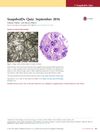 August 2016 in “Journal of Investigative Dermatology”
 Scalp psoriasis features reversible hair loss and specific immune activation, with no significant hair follicle damage.
January 1994 in “대한피부과학회지” Androgen receptor expression is similar in affected and unaffected scalp areas in androgenetic alopecia.
 12 citations
,
January 2017 in “Skin appendage disorders”
12 citations
,
January 2017 in “Skin appendage disorders” Two patients with skin lupus were mistakenly thought to have a different scalp condition but improved with lupus treatment.
 1 citations
,
April 2024 in “Journal of Autoimmunity”
1 citations
,
April 2024 in “Journal of Autoimmunity” Interleukin-15 can help hair growth and protect hair follicles.
 November 2022 in “Journal of Investigative Dermatology”
 Dandruff is linked to changes in the immune system of hair follicles and skin.
11 citations
,
December 1990 in “British Journal of Dermatology” Alopecia areata may involve disrupted mesenchymal function in hair follicles.
April 2019 in “Journal of Investigative Dermatology” Frontal Fibrosing Alopecia involves disrupted cholesterol pathways, fibrosis, and increased mast cells.
 July 2022 in “Journal of Investigative Dermatology”
 IL-15 helps maintain hair growth and protects the immune status of hair follicles.
65 citations
,
December 2015 in “Experimental dermatology” Corticosteroid treatment reduces inflammation and alters hair keratins in alopecia areata.
 5 citations
,
September 2018 in “Acta histochemica”
5 citations
,
September 2018 in “Acta histochemica” The mTOR pathway proteins are altered in the hair follicles of patients with Lichen Planopilaris and Frontal Fibrosing Alopecia.
November 2025 in “Journal of Investigative Dermatology” Alopecia Areata may involve reduced antioxidant defenses in hair follicles, affecting stem cell function.
May 2025 in “Journal of the Egyptian Womenʼs Dermatologic Society” Hair follicles in nonsegmental vitiligo are better protected from immune attacks than in alopecia areata.

γδTregs may help treat autoimmune diseases like alopecia areata by promoting hair regrowth and reducing immune attacks.
September 2019 in “Journal of Investigative Dermatology” Innate lymphoid cells type 1 may contribute to alopecia areata.
January 2018 in “Journal of Investigative Dermatology” Blocking certain pathways with kinase inhibitors may help treat cutaneous lupus erythematosus.
 2 citations
,
April 2018 in “Journal of Investigative Dermatology”
2 citations
,
April 2018 in “Journal of Investigative Dermatology” Frontal fibrosing alopecia shows increased inflammation and JAK-STAT pathway activity without reduced hair proteins.
 November 2023 in “The journal of investigative dermatology/Journal of investigative dermatology”
 Blocking TYK2 might be a new way to treat hair loss from alopecia areata.
January 2018 in “Belarusian State Pedagogical University repository (Belarusian State Pedagogical University)” Stress might trigger hair loss in alopecia areata, but more research is needed.
1 citations
,
August 2016 in “Journal of Investigative Dermatology” Vδ1+ T-cells in the skin contribute to hair loss in alopecia areata and could be targeted for treatment.
1 citations
,
April 2016 in “Journal of Investigative Dermatology” Targeting specific T cells may help treat alopecia areata.