 March 2026 in “Revista Ibero-Americana de Humanidades, Ciências e Educação”
 L-PRF effectively improved healing and bone integration in dental implant surgery.
2 citations
,
September 2017 Laser Lax is a new tool that measures scalp looseness accurately and comfortably.
 April 2018 in “The journal of investigative dermatology/Journal of investigative dermatology”
 Li2CO3 improved skin disease in a mouse model of Focal Dermal Hypoplasia without toxicity.
 9 citations
,
January 2020 in “Skin appendage disorders”
9 citations
,
January 2020 in “Skin appendage disorders” Hair loss from conditions like LPP and FFA can potentially be reversed with the right treatment.
October 2022 in “Hair Transplantation” The ISHRS standardized FUE terminology for global use in hair restoration.
47 citations
,
June 2017 in “The FEBS journal” Disabling the FGF5 gene in sheep leads to longer wool.

Tofacitinib significantly improved symptoms in a patient with overlapping autoimmune disorders.
 August 2023 in “The journal of investigative dermatology/Journal of investigative dermatology”
 Ixekizumab may be an effective first treatment for a rare skin condition causing hair loss.
 December 2024 in “Livers”
 Recognizing rare causes of MASLD is crucial for effective treatment and preventing complications.
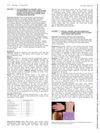
A TNFAIP3 gene mutation can cause unusual and varied symptoms of lupus and Sjogren's syndrome.

LGF injections may improve early Peyronie's disease by reducing penile curvature and plaque size.
3 citations
,
January 2016 in “Dermatology online journal” Some people with lichen planus pigmentosus might later develop frontal fibrosing alopecia.

Combining PRP with low-level laser therapy is better for hair growth than PRP alone.
10 citations
,
July 2014 in “Annals of Saudi Medicine” A 30-year-old man with rare skin conditions improved with antibiotics and surgery, hinting at a link to rosacea.
 2 citations
,
January 2023 in “Curēus”
2 citations
,
January 2023 in “Curēus” Low-dose naltrexone may help reduce redness in certain scalp conditions.
 March 2024 in “Intisari Sains Medis”
 Low free thyroxine (FT4) is common in young lupus patients and needs quick diagnosis and treatment.
2 citations
,
February 2023 in “F&S Reports” Elagolix did not effectively treat polycystic ovary syndrome.
August 2020 in “Research Square (Research Square)” Enhanced stem cells can reduce fat buildup in eye tissue for Graves' disease.
 7 citations
,
June 2010 in “Journal of The American Academy of Dermatology”
7 citations
,
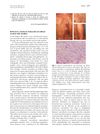
June 2010 in “Journal of The American Academy of Dermatology” Tranilast successfully treated a man's skin sarcoidosis when other treatments failed.
17 citations
,
February 2001 in “Journal of the American Academy of Dermatology” Lithium can cause skin changes similar to mycosis fungoides.

Tofacitinib significantly improved hair loss and lesions in a patient with overlapping autoimmune disorders.
 5 citations
,
April 2019 in “Journal of The American Academy of Dermatology”
5 citations
,
April 2019 in “Journal of The American Academy of Dermatology” Frontal Fibrosing Alopecia may be a complex condition linked to hormonal changes in women, not just a form of Lichen Planopilaris.
29 citations
,
January 2020 in “Frontiers in endocrinology” Fibrodysplasia ossificans progressiva is a rare genetic disorder that causes extra bone growth and symptoms of premature aging.
 April 2024 in “African Journal of Biological Sciences”
 The patient with lupus and Degos' disease showed significant improvement with treatment.
4 citations
,
January 2017 in “PubMed” A girl with lupus had unusually long and thick eyelashes, a rare symptom of her condition.
 7 citations
,
March 2020 in “Lasers in Medical Science”
7 citations
,
March 2020 in “Lasers in Medical Science” LLLT is a safe, promising hair loss treatment, but more research needed.
December 2025 in “Fertility and Sterility” Both LNG-IUD and systemic progestins are effective for fertility-sparing treatment, but close monitoring is needed due to recurrence risk.
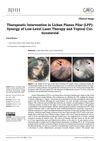 January 2024 in “Brazilian Journal of Hair Health”
 Combining low-level laser therapy with topical corticosteroids effectively improved Lichen Planopilaris symptoms.
Lichen planopilaris and frontal fibrosing alopecia are likely the same disease with different clinical appearances.
 39 citations
,
May 2014 in “Frontiers in Pharmacology”
39 citations
,
May 2014 in “Frontiers in Pharmacology” Special immune cells called Tregs can help prevent lung scarring by blocking a specific growth factor.