 September 2018 in “Value in Health”
 Orphan drug benefit scores in Germany are influenced by phase III data and lack of alternatives, but not linked to price or discounts.
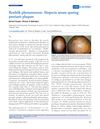 July 2018 in “Our Dermatology Online”
 Alopecia areata does not affect areas with psoriasis plaques.
 January 2018 in “Elsevier eBooks”
 The document concludes that alopecia has various forms, each with specific treatments, but no definitive cure for certain types like CCCA has been proven.
 December 2017 in “Revista Brasileira de Saúde Materno Infantil”
 Pregnant women with Systemic Lupus Erythematosus have a higher risk of blood clotting problems.
 November 2016 in “Journal of Evolution of Medical and Dental Sciences”
 Elderly people often have skin issues like wrinkles, dryness, and benign tumors, needing special dermatology care.
 June 2016 in “Journal of Evolution of Medical and Dental Sciences”
 Young women with lupus often have oral ulcers.
 January 2016 in “Journal of the turkish academy of dermatology”
 Acne was the most common skin problem in kids, with other conditions like warts and eczema also frequent, varying by age and gender.
 January 2016 in “Springer eBooks”
 Cryotherapy may be an effective and simple treatment for mild hair loss with few side effects.
 November 2015 in “European Journal of Inflammation”
 Cicatricial alopecia, a permanent hair loss condition, is mainly caused by damage to specific hair follicle stem cells and abnormal immune responses, with gene regulator PPAR-y and lipid metabolism disorders playing significant roles.
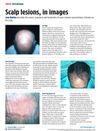 January 2015 in “Independent Nurse”
 Different scalp conditions can lead to hair loss or tumors, with treatments varying from creams to surgery; early detection is crucial.

Lupus is a complex disease that requires personalized treatment because it varies greatly between individuals.
 October 2014 in “Journal of the Portuguese Society of Dermatology and Venereology”
 Early recognition and treatment of LPP can prevent hair loss and improve quality of life.
 March 2014 in “Dermatologic Clinics”
 More research, better treatments, and public education are needed for dermatological conditions in people of African descent.
 May 2009 in “Medical and surgical dermatology/Medical & surgical dermatology”
 Hair and nail conditions can stabilize or improve over time, and new treatments show promise.
 May 2007 in “Dermatologic Therapy”
 Hair care practices like using relaxers and tight braiding can lead to permanent hair loss in black women.
 January 2007 in “Journal of the American Academy of Dermatology”
 A 73-year-old man's grey-white hair turned dark brown after eczema treatment.
 January 2007 in “Elsevier eBooks”
 Alopecia areata is a reversible, autoimmune-related hair loss that can have significant emotional impact and uncertain treatment effectiveness.
 December 2004 in “Medicine”
 A thorough history and examination are crucial for diagnosing skin diseases, which affect up to a third of people. This includes details about skin lesions, medication, general health, lifestyle, family, and contacts, as well as examining the rash, hair, nails, and mucous membranes. Changes in hair and nails can also indicate other medical and skin disorders.
 October 2001 in “WORLD SCIENTIFIC eBooks”
 Many substances, including chemicals and metals, can cause skin reactions; careful handling and identification of allergens are crucial to prevent dermatitis.
 September 1998 in “Journal of The European Academy of Dermatology and Venereology”
 Aging affects hair density and skin health, and Behcet's disease, a complex condition with no specific test, involves sores and systemic issues, treated with various medications.
 September 1998 in “Journal of The European Academy of Dermatology and Venereology”
 Aging can lead to poorer scalp and hair health, including less hair and more scalp diseases, which should be managed to help older people feel better.
 September 1998 in “Journal of The European Academy of Dermatology and Venereology”
 Skin fungal infections are more common in older adults due to factors like obesity, poor circulation, reduced mobility, and weakened immune defenses from certain medications.
 September 1998 in “Journal of The European Academy of Dermatology and Venereology”
 Old people's nails often have problems due to body changes, more diseases, and self-care difficulties, affecting their movement and hand use.
 October 1987 in “Clinics in Dermatology”
 Hair transplantation is beneficial if the right patients are chosen and the procedure is done carefully.
 April 2021 in “Journal of Investigative Dermatology”
 Spironolactone safely and effectively treats hair loss in female scarring alopecia patients.
 March 2021 in “PARIPEX INDIAN JOURNAL OF RESEARCH”
 Microneedling combined with platelet-rich plasma therapy is more effective for hair regrowth in androgenic alopecia than microneedling alone, but it's more painful.
 October 1990 in “Archives of Dermatology”
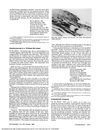
 Hair loss and growth can be accurately measured using computer-assisted counting.
 April 2016 in “Medical Acupuncture”
 The document concludes that hair loss in women is treated with medications, therapies, and surgery in Western medicine, and with acupuncture and herbs in Chinese medicine, but hereditary hair loss is hard to reverse.
 20 citations
,
May 2015 in “Regenerative Medicine”
20 citations
,
May 2015 in “Regenerative Medicine” The document warns against US clinics selling untested stem cell treatments without FDA approval.
 12 citations
,
June 2013 in “The American Journal of Dermatopathology”
12 citations
,
June 2013 in “The American Journal of Dermatopathology” A new method using visual aids to diagnose hair diseases was effective after brief training.