 May 2022 in “Journal of Cosmetic Dermatology”
 The authors suggest a method for hair transplantation in fibrosing alopecia pattern distribution to improve treatment outcomes and cover bald areas.
 158 citations
,
February 2000 in “Archives of dermatology”
158 citations
,
February 2000 in “Archives of dermatology” Some people with pattern hair loss may also have scalp inflammation and scarring similar to lichen planopilaris.
 25 citations
,
March 2013 in “British Journal of Dermatology”
25 citations
,
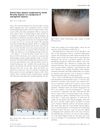
March 2013 in “British Journal of Dermatology” Woman has discoid lupus, frontal fibrosing, and androgenetic alopecia.
 7 citations
,
August 2018 in “The American Journal of Dermatopathology”
7 citations
,
August 2018 in “The American Journal of Dermatopathology” Researchers found a new early sign of Frontal Fibrosing Alopecia that could help avoid misdiagnosis.
 21 citations
,
November 1981 in “Archives of Dermatology”
21 citations
,
November 1981 in “Archives of Dermatology” Ashy dermatosis may be linked to atopy and thyroid disease and can be treated with topical steroids.
8 citations
,
January 2002 in “Piel” Postmenopausal women may experience frontal hairline and eyebrow loss due to cicatricial fibrosis.
7 citations
,
August 2019 in “American Journal of Dermatopathology” Frontal fibrosing alopecia on limbs shows permanent inflammatory hair loss, not typical scarring.
 32 citations
,
January 2015 in “Annals of diagnostic pathology”
32 citations
,
January 2015 in “Annals of diagnostic pathology” The document concludes that recognizing oral lesions is important for diagnosing syphilis.
 January 2026 in “Frontiers in Medicine”
 FFA and FAPD might be related or stages of the same disease.
 9 citations
,
September 2016 in “Dermatologic Surgery”
9 citations
,
September 2016 in “Dermatologic Surgery” New LPP subtype affects vellus hairs, mimics AGA, and needs biopsy for diagnosis.
 April 2012 in “Informa Healthcare eBooks”
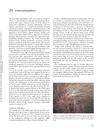
 Lichen planopilaris is a rare, chronic condition causing hair loss, mainly in middle-aged women, and early treatment is important to prevent permanent baldness.
 May 2015 in “Journal of The American Academy of Dermatology”
 Some people may temporarily lose more hair in certain areas after a hair transplant.
 January 2026 in “Clinical Cosmetic and Investigational Dermatology”
 Early diagnosis and targeted anti-inflammatory treatments can improve outcomes in androgenetic alopecia with perifollicular inflammation and fibrosis.
 179 citations
,
December 2004 in “Journal of The American Academy of Dermatology”
179 citations
,
December 2004 in “Journal of The American Academy of Dermatology” Some postmenopausal women with frontal fibrosing alopecia stopped losing hair with finasteride treatment, hinting at a possible hormonal cause.
 March 2015 in “Zagazig University Medical Journal”
 Damage to hair follicle stem cells may cause permanent hair loss and scarring in PCA.
 15 citations
,
January 2014 in “Dermatology”
15 citations
,
January 2014 in “Dermatology” Some patients with a type of skin lymphoma can experience a rare, non-scarring hair loss that looks like another hair loss condition but has distinct features.
 6 citations
,
August 2006 in “Journal of Cutaneous Pathology”
6 citations
,
August 2006 in “Journal of Cutaneous Pathology” Two teenage brothers had a rare, treatment-resistant form of female-pattern hair loss with unusual scalp changes.
 13 citations
,
February 2015 in “Actas Dermo-Sifiliográficas”
13 citations
,
February 2015 in “Actas Dermo-Sifiliográficas” The document concludes that recognizing specific histological features of different nonscarring alopecias is crucial for accurate diagnosis and understanding hair loss progression.
 72 citations
,
February 2011 in “The American Journal of Dermatopathology”
72 citations
,
February 2011 in “The American Journal of Dermatopathology” Anti-TNF therapy can cause a unique type of hair loss that may get better with topical treatments without stopping the therapy.
 16 citations
,
January 2007 in “Actas dermo-sifiliográficas/Actas dermo-sifiliográficas”
16 citations
,
January 2007 in “Actas dermo-sifiliográficas/Actas dermo-sifiliográficas” The document concludes that there are no reliable treatments for frontal fibrosing alopecia, with only temporary benefits from current options.
 14 citations
,
September 2016 in “Journal of Cutaneous Pathology”
14 citations
,
September 2016 in “Journal of Cutaneous Pathology” The document concludes that new methods improve the accuracy of diagnosing scalp alopecia and challenges the old way of classifying it.
 14 citations
,
March 2002 in “The journal of investigative dermatology/Journal of investigative dermatology”
14 citations
,
March 2002 in “The journal of investigative dermatology/Journal of investigative dermatology” Patients with severe alopecia areata have higher levels of MIF, which decrease after successful treatment.
127 citations
,
January 2000 in “Journal of Investigative Dermatology” Cytotoxic T cells cause hair loss in chronic alopecia areata.
March 2026 in “Anais Brasileiros de Dermatologia” Lichen planopilaris and frontal fibrosing alopecia are likely distinct diseases with different tissue involvement.
 January 2025 in “Indian Journal of Dermatology”
 Frontal fibrosing alopecia is a challenging hair loss condition with no known cause or definitive treatment.
 November 2022 in “JAAD case reports”
 A man with skin and hair symptoms improved partially with specific treatment.
5 citations
,
July 2023 in “Microorganisms” The study found specific skin and cell changes in patients with monkeypox, helping diagnose and understand the disease.
 1 citations
,
October 2023 in “Skin research and technology”
1 citations
,
October 2023 in “Skin research and technology” LC-OCT is an effective new method for diagnosing classic lichen planopilaris.
January 2022 in “Clinical Cases in Dermatology” A 47-year-old man was diagnosed with a specific type of hair loss and advised to use certain medications and avoid hair transplants.
19 citations
,
January 2015 in “Skin appendage disorders” The report found a new type of hair loss in African-American women that affects more areas of the scalp than previously thought.