 3 citations
,
September 2023 in “Skin research and technology”
3 citations
,
September 2023 in “Skin research and technology” New treatments for skin damage from UV light using stem cells and their secretions show promise for skin repair without major risks.
 23 citations
,
August 2019 in “Proceedings of the National Academy of Sciences of the United States of America”
23 citations
,
August 2019 in “Proceedings of the National Academy of Sciences of the United States of America” Pollution exposure speeds up hair damage.
7 citations
,
January 2001 in “Comprehensive series in photosciences” UV radiation significantly damages hair, especially with humidity, making it more vulnerable to further damage.
 2 citations
,
November 2014
2 citations
,
November 2014 Common cosmetic dermatology techniques improve skin damaged by the sun and aging.
 6 citations
,
November 2013 in “International Journal of Radiation Biology”
6 citations
,
November 2013 in “International Journal of Radiation Biology” Gamma-rays exposure during the resting phase of hair growth can damage hair regeneration and color in mice.
 January 2025 in “International Journal of Veterinary Science”
 Hibiscus leaf ointment helps hair growth and reduces UV skin damage in rats.
 28 citations
,
August 2015 in “Journal of Drug Targeting”
28 citations
,
August 2015 in “Journal of Drug Targeting” The new CoQ10 gel protects mouse skin better against aging from UV light than the old gel.
 September 2024 in “Journal of Cosmetic Dermatology”
 Quercetin-loaded nanoparticles protect human hair from UV-B damage.
 November 2022 in “Journal of Investigative Dermatology”
 Apocynin may protect skin cells from aging and damage caused by UVB light.
 July 2022 in “The journal of investigative dermatology/Journal of investigative dermatology”
 Increasing type 17 collagen reduces aging signs in skin cells caused by UV light.
 27 citations
,
June 2015 in “Journal of photochemistry and photobiology. B, Biology”
27 citations
,
June 2015 in “Journal of photochemistry and photobiology. B, Biology” The new lab-grown skin model is good for testing sunscreen's protection against DNA damage from UV light.
 26 citations
,
April 1999 in “Dermatologic Clinics”
26 citations
,
April 1999 in “Dermatologic Clinics” The long-pulsed alexandrite laser is effective for hair reduction, particularly for light-skinned individuals with dark hair, but caution is needed for darker skin.
March 2024 in “Antioxidants” Excessive blue light harms eye cells and disrupts sleep patterns.
April 2024 in “International journal of molecular sciences” Light-based treatment, Photobiomodulation, shows promise for non-invasive skin therapy with few side effects.
221 citations
,
July 2012 in “Proceedings of the National Academy of Sciences of the United States of America” BMAL1 controls skin cell growth and UV damage risk, peaking at night.
 134 citations
,
September 2008 in “Lasers in surgery and medicine”
134 citations
,
September 2008 in “Lasers in surgery and medicine” Low fluence photoepilation temporarily removes hair by targeting the hair follicle's pigmented area without severe damage.
 62 citations
,
July 2018 in “Lasers in Medical Science”
62 citations
,
July 2018 in “Lasers in Medical Science” LED therapy is safe and shows potential for treating skin conditions and promoting hair growth, but more research is needed.
 44 citations
,
January 2005 in “Dermatology”
44 citations
,
January 2005 in “Dermatology” Hair problems can be caused by genetics or the environment, and treatment should focus on the cause and reducing hair damage.
 January 2026 in “SSRN Electronic Journal”
 Riboflavin with blue light speeds up hair dyeing, making it faster, safer, and long-lasting with less hair damage.
 November 2023 in “The journal of investigative dermatology/Journal of investigative dermatology”
 Skin cells and certain hair follicle areas produce hemoglobin, which may help protect against oxidative stress like UV damage.
 February 2023 in “Cosmoderma”
 Combining red LED therapy with beta-carotene is more effective for treating photoaging than red LED therapy alone.
April 2020 in “The Aesthetics” LED-LLLT helps heal wounds, reduce pain, and regrow hair using specific light wavelengths.
10 citations
,
September 2022 in “Journal of Biophotonics” Blue light therapy is safe for skin and may protect against UV radiation.
 9 citations
,
August 2017 in “Photochemistry and Photobiology”
9 citations
,
August 2017 in “Photochemistry and Photobiology” Red light at 627 nm can safely trigger IL-4 release in skin cells, potentially helping treat inflammatory skin conditions.
 3 citations
,
October 1979 in “Laboratory animals”
3 citations
,
October 1979 in “Laboratory animals” Hairless rats are good for testing anti-inflammatory drugs, similar to haired rats, without needing to remove fur.
 10 citations
,
January 2013 in “Journal of The European Academy of Dermatology and Venereology”
10 citations
,
January 2013 in “Journal of The European Academy of Dermatology and Venereology” The home-use IPL device effectively reduced hair and delayed its regrowth after six months of use, with users happy and no negative side effects.
 1 citations
,
July 2023 in “Biomimetics”
1 citations
,
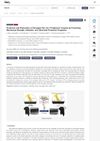
July 2023 in “Biomimetics” A new hair treatment using a natural polyphenol complex improves hair strength, reduces static, and protects against UV damage.
1 citations
,
January 2010 in “LA Referencia (Red Federada de Repositorios Institucionales de Publicaciones Científicas)” Conditioners improved hair protein retention and combing ease, with some providing thermal protection.
January 2015 in “Journal of cosmetics, dermatological sciences and applications” The combined technology safely and effectively removes hair at home on dark skin.
 January 2012 in “Human health handbooks”
 Low-level light therapy is FDA-approved for male pattern hair loss, increases hair count and strength, and is considered safe for use.