 1 citations
,
April 2019 in “Journal of Investigative Dermatology”
1 citations
,
April 2019 in “Journal of Investigative Dermatology” VB1953 gel significantly reduced acne and resistant bacteria in patients who didn't respond to clindamycin.
 1 citations
,
April 2019 in “Journal of Investigative Dermatology”
1 citations
,
April 2019 in “Journal of Investigative Dermatology” Dupilumab is effective and safe for treating moderate-to-severe atopic dermatitis in adolescents.
 April 2019 in “Journal of Investigative Dermatology”
 Sandalore®, a synthetic scent, improved hair loss and satisfaction in women with telogen effluvium.
 April 2019 in “Journal of Investigative Dermatology”
 Many patients with autoimmune blistering skin disorders change their diets, avoiding foods like alcohol, citrus, and spices, and some find vegetables and dairy helpful.
 150 citations
,
April 1999 in “Dermatologic Clinics”
150 citations
,
April 1999 in “Dermatologic Clinics” Laser hair removal effectiveness depends on targeting hair structures without harming the skin, and improvements require more research and expert collaboration.
 59 citations
,
February 2021 in “Advanced Functional Materials”
59 citations
,
February 2021 in “Advanced Functional Materials” The silk fibroin-based hydrogel shows promise for treating melanoma and healing infected wounds by killing tumor cells and bacteria, and supporting skin recovery.
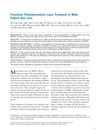 50 citations
,
December 2010 in “Dermatologic Surgery”
50 citations
,
December 2010 in “Dermatologic Surgery” Laser treatment can stimulate hair growth for male pattern hair loss.
 47 citations
,
August 2011 in “Journal of The European Academy of Dermatology and Venereology”
47 citations
,
August 2011 in “Journal of The European Academy of Dermatology and Venereology” Laser treatment increases hair density and thickness safely in women with hair loss.
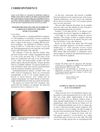 25 citations
,
January 2005 in “Pediatric Dermatology”
25 citations
,
January 2005 in “Pediatric Dermatology” Methotrexate effectively treated a 2-year-old's generalized pustular psoriasis without side effects.
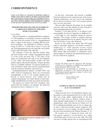 16 citations
,
January 2005 in “Pediatric Dermatology”
16 citations
,
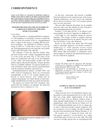
January 2005 in “Pediatric Dermatology” A 10-year-old girl with Fox Fordyce disease improved with treatment, suggesting the disease can occur before puberty and might be underdiagnosed in young girls.
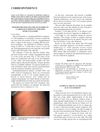 12 citations
,
January 2005 in “Pediatric Dermatology”
12 citations
,
January 2005 in “Pediatric Dermatology” Fox Fordyce disease might be more common in prepubertal girls than thought and can be managed with treatment.
 9 citations
,
January 2005 in “Pediatric Dermatology”
9 citations
,
January 2005 in “Pediatric Dermatology” Fox Fordyce disease can occur in prepubertal girls and may be underdiagnosed.
 April 2024 in “Cell death and differentiation”
 Cell death shapes skin stem cell environments, affecting inflammation, repair, and cancer.
 September 2023 in “Asian journal of beauty & cosmetology”
 Lipids are important for healthy hair, but their exact role is not fully understood and needs more research.
 70 citations
,
July 2016 in “Aging”
70 citations
,
July 2016 in “Aging” Targeting dermal adipocytes may help combat skin aging.
 22 citations
,
November 2008 in “International Journal of Dermatology”
22 citations
,
November 2008 in “International Journal of Dermatology” A mix of 5-aminolevulinic acid and iron ion can speed up hair growth.
 15 citations
,
June 2015 in “Lasers in Medical Science”
15 citations
,
June 2015 in “Lasers in Medical Science” The 830-nm wavelength was most effective at promoting hair growth in rats using low-level laser therapy.
 March 2025 in “Frontiers in Pharmacology”
 The hydrogel dressing rapidly heals wounds and promotes blood clotting better than existing options.
 March 2024 in “Medical lasers”
 Multiple-wavelength radiation helps hair grow by boosting early hair follicle development.
 November 2010 in “Journal of The American Academy of Dermatology”
 The issue concluded that various skin conditions have different effective treatments and factors influencing them.
 2 citations
,
August 2016 in “Lasers in Surgery and Medicine”
2 citations
,
August 2016 in “Lasers in Surgery and Medicine” Photodynamic therapy can remove nonpigmented hair in mice and might work for humans.
 260 citations
,
December 2012 in “Cold Spring Harbor Perspectives in Biology”
260 citations
,
December 2012 in “Cold Spring Harbor Perspectives in Biology” Wnt signaling is crucial for skin development and health, and its disruption can cause skin diseases.
 92 citations
,
January 1999 in “Physics in Medicine and Biology”
92 citations
,
January 1999 in “Physics in Medicine and Biology” Skin can be cooled quickly and safely during laser treatments to protect it without affecting deeper layers.
 60 citations
,
December 2015 in “Lasers in Medical Science”
60 citations
,
December 2015 in “Lasers in Medical Science” Low-level laser therapy is safe and can increase hair growth for male and female pattern hair loss.
 53 citations
,
January 2009 in “Journal of Investigative Dermatology”
53 citations
,
January 2009 in “Journal of Investigative Dermatology” UVB radiation harms hair growth and health, causing cell death and other changes in human hair follicles.
 52 citations
,
January 2020 in “Scientific Reports”
52 citations
,
January 2020 in “Scientific Reports” NLCs with manual massage greatly improve clobetasol delivery to hair follicles.
49 citations
,
January 1998 in “International Journal of Molecular Medicine” Lipid peroxides can cause early hair loss by damaging hair follicles.
 45 citations
,
December 2018 in “Lasers in Medical Science”
45 citations
,
December 2018 in “Lasers in Medical Science” LLLT promotes hair growth and improves hair density safely in men and women.
 40 citations
,
February 2020 in “Experimental and Therapeutic Medicine”
40 citations
,
February 2020 in “Experimental and Therapeutic Medicine” PRP injections improve facial skin by reducing wrinkles and pores.
 40 citations
,
February 1990 in “Journal of The American Academy of Dermatology”
40 citations
,
February 1990 in “Journal of The American Academy of Dermatology” A 17-year-old developed woolly hair nevus in adolescence, which is unusual, and over time the hair darkened and straightened slightly, but microscopic changes persisted.