 40 citations
,
January 2016 in “PLoS ONE”
40 citations
,
January 2016 in “PLoS ONE” Shorter daylight increases hair growth in Cashmere goats.
303 citations
,
August 1971 in “The American Journal of Medicine” Melanocytes are destroyed by factors needed for melanin production, causing vitiligo and gray hair.
 July 2023 in “International journal of dermatology, venereology and leprosy sciences”
 New treatments are being explored to slow or reverse hereditary hair loss.
 9 citations
,
September 2009 in “Journal of Cutaneous Medicine and Surgery”
9 citations
,
September 2009 in “Journal of Cutaneous Medicine and Surgery” UV light causes skin color loss in bald areas; wear a cap and use sunscreen.
5 citations
,
October 2020 in “Veterinary record case reports” Fluorescent light energy may help treat skin infections in dogs with calcinosis cutis.
 19 citations
,
July 2009 in “Clinical and Experimental Dermatology”
19 citations
,
July 2009 in “Clinical and Experimental Dermatology” The study found that long-term sun exposure does not significantly affect follicular plugs on the scalp, and the scalp's appearance is unique compared to other body parts.
 November 2023 in “The journal of investigative dermatology/Journal of investigative dermatology”
 Skin cells and certain hair follicle areas produce hemoglobin, which may help protect against oxidative stress like UV damage.
 45 citations
,
June 2004 in “Lasers in Medical Science”
45 citations
,
June 2004 in “Lasers in Medical Science” Intense pulsed light (IPL) is an efficient and safe method for hair removal, reducing hair by about 80%.
Melanocyte transplantation can safely restore skin color, especially in stable vitiligo, but must be chosen carefully based on the disease phase.
 April 2024 in “Dermatovenerologiâ, kosmetologiâ”
 Actinic keratosis is a sun-induced skin condition that can potentially turn into skin cancer and requires treatment to prevent malignancy.
 March 2025 in “Frontiers in Veterinary Science”
 Changing light exposure boosts hormone levels and antioxidant activity, improving cashmere growth in goats.
9 citations
,
June 2017 in “The journal of allergy and clinical immunology/Journal of allergy and clinical immunology/The journal of allergy and clinical immunology” Local inflammation worsens autoimmune skin conditions by increasing antibody buildup.
7 citations
,
January 2003 in “Journal of cosmetic and laser therapy” The filterless flashlamp-based system effectively delays hair regrowth and improves skin condition.
110 citations
,
January 1983 in “Brain Research Reviews” Monkey lips have dense sensory nerves similar to those in other skin areas, explaining their sensitivity.
 23 citations
,
September 2011 in “Journal of Dermatological Science”
23 citations
,
September 2011 in “Journal of Dermatological Science” Red LED light helps mouse hair grow by increasing growth factors from skin cells.

TBX3 gene affects horse coat color, with higher expression in darker areas.
 21 citations
,
January 2019 in “Experimental dermatology”
21 citations
,
January 2019 in “Experimental dermatology” Light therapy using helium-neon lasers can help restore skin color in vitiligo by promoting skin cell growth and movement.
80 citations
,
January 1979 in “Journal of Surgical Oncology” Keratoacanthoma is a common, usually non-dangerous skin tumor that looks like squamous cell carcinoma but rarely becomes severe.
11 citations
,
November 2002 in “Dermatologic Surgery” IPL can cause unexpected hair growth in nearby untreated areas.

Meis2 is essential for touch sensation and proper nerve connection to touch receptors in certain skin areas of mice.
 7 citations
,
November 2011 in “Skin Research and Technology”
7 citations
,
November 2011 in “Skin Research and Technology” The study found a specific pattern of uneven melanin distribution on balding scalps that could help understand skin diseases caused by light exposure.
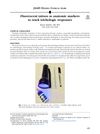 July 2018 in “Journal of The American Academy of Dermatology”
 Fluorescent tattoos are a good way to mark the scalp for hair treatments because they're accurate, invisible in normal light, and have low risk.
1 citations
,
January 2009 in “Elsevier eBooks” Using Eflornithine cream with laser treatments improves facial hair removal.
January 2026 in “Animals” TBX3 gene affects pigmentation and marking formation in Dun Mongolian horses.
 April 2005 in “Dermatologic Clinics”
 The document summarizes recent dermatological treatments and advances in areas like pediatric care, wound healing, skin closure, light-based therapies, pigment disorders, hair loss, immunotherapy, infection management, melanoma, drug reactions, and facial rejuvenation.
 1 citations
,
March 2023 in “PloS one”
1 citations
,
March 2023 in “PloS one” Different amounts of daylight affect cashmere growth in goats by changing the activity of certain genes and molecules.
19 citations
,
November 1985 in “Archives of Dermatology” The newborn's skin blisters healed without scarring, leaving some light spots, and stopped forming after four months.
39 citations
,
March 2017 in “Dermatologic clinics” UV light can help stimulate the growth of new pigment cells from hair follicles in people with vitiligo.
 2 citations
,
July 2004 in “Proceedings of SPIE, the International Society for Optical Engineering/Proceedings of SPIE”
2 citations
,
July 2004 in “Proceedings of SPIE, the International Society for Optical Engineering/Proceedings of SPIE” Near-infrared laser therapy with Indocyanine Green dye improves acne by reducing inflammation without side effects.
51 citations
,
May 1984 in “Journal of the American Academy of Dermatology” Benign follicular mucinosis involves immune cells attacking hair follicles.