 April 2018 in “The journal of investigative dermatology/Journal of investigative dermatology”
 Higher fluence in hair removal damages hair follicles more, while lower fluence mimics natural hair regression, with long-term IPL treatments effectively reducing hair.
54 citations
,
September 2012 in “Acta ophthalmologica” Cancer treatments can cause various eye problems, so eye doctors should know how to diagnose and treat these early.
 15 citations
,
January 2014 in “Anais Brasileiros de Dermatologia”
15 citations
,
January 2014 in “Anais Brasileiros de Dermatologia” Lupus treatment requires a combination of drugs and therapies, with research needed for new options.
 5 citations
,
February 2013 in “Expert Review of Dermatology”
5 citations
,
February 2013 in “Expert Review of Dermatology” New acne treatments include combination creams, advanced retinoids, and light therapies, focusing on safety and patient adherence.
3 citations
,
August 2013 in “DOAJ (DOAJ: Directory of Open Access Journals)” Hair loss treatments for women are limited, with hair transplants being the only permanent option.
2 citations
,
December 2013 in “Journal of Cosmetic Dermatology” UV treatment can damage hair, so protection is advised.
 September 1995 in “American Journal of Contact Dermatitis”
 Antiyeast treatments work better for seborrheic dermatitis than steroids, and other findings include increased skin bacteria under plastic wrap, a nasal cell defect in Staphylococcus aureus carriers, quick resolution of certain skin reactions, high rubber latex allergy in spina bifida patients, and glyceryl monopentadecanoate's effectiveness for male hair loss.
August 2022 in “Facial Plastic Surgery Clinics of North America” Noninvasive treatments like minoxidil, finasteride, and low-light laser therapy can help with hair loss.
 31 citations
,
August 2022 in “Frontiers in Oncology”
31 citations
,
August 2022 in “Frontiers in Oncology” Photobiomodulation therapy helps manage cancer treatment side effects but needs more research for optimization.
 January 2009 in “Actas dermo-sifiliográficas/Actas dermo-sifiliográficas”
 Lasers and light treatments are now the most common ways to remove hair.
17 citations
,
May 2023 in “Pharmaceutics” Microneedles can precisely deliver cancer treatments with fewer side effects.
 11 citations
,
January 2015 in “Current problems in dermatology”
11 citations
,
January 2015 in “Current problems in dermatology” The conclusion is that treatments like finasteride and minoxidil can prevent baldness progression and improve hair density, but more research is needed on other therapies.
 9 citations
,
May 2019 in “Vestnik dermatologii i venerologii”
9 citations
,
May 2019 in “Vestnik dermatologii i venerologii” The method could improve vitiligo treatment by effectively delivering therapy to hair follicles.
 8 citations
,
November 2019 in “Dermatologic Clinics”
8 citations
,
November 2019 in “Dermatologic Clinics” AGA treatments like minoxidil and LLLLT are safe and effective for gender minority patients.
 5 citations
,
September 2015 in “PubMed”
5 citations
,
September 2015 in “PubMed” New treatments for progressive hair loss in aging men are being developed, including targeted medical therapies, light therapy, plasma injections, and robotic hair transplantation.
 4 citations
,
March 2017 in “Al-Mi’galaẗ al-sa'udiyaẗ lī-ulum al-ḥayaẗ”
4 citations
,
March 2017 in “Al-Mi’galaẗ al-sa'udiyaẗ lī-ulum al-ḥayaẗ” Leonuri Herba alkaloids may help treat hormone-induced enlarged prostate in rats.
 1 citations
,
July 2018 in “Elsevier eBooks”
1 citations
,
July 2018 in “Elsevier eBooks” Many treatments for hair loss show potential, but more testing is needed to confirm their effectiveness. Only minoxidil for women and minoxidil and finasteride for men are FDA approved.
 July 2024 in “Berkala Ilmu Kesehatan Kulit dan Kelamin”
 Proper diagnosis and treatment of hair loss in children are crucial to prevent lasting issues and maintain their quality of life.
 January 2012 in “The Year book of dermatology”
 Many treatments for alopecia areata have inconsistent results; for under 10s, use minoxidil with a corticosteroid, and for over 10s, add ILC and consider diphenylcyclopropenone for widespread cases.
 22 citations
,
March 2018 in “American Journal of Clinical Dermatology”
22 citations
,
March 2018 in “American Journal of Clinical Dermatology” New acne treatments show promise as alternatives to traditional therapies.
 39 citations
,
May 2004 in “Clinics in Dermatology”
39 citations
,
May 2004 in “Clinics in Dermatology” The document concludes that treatment for cutaneous T-cell lymphoma should be customized to each patient's disease stage, balancing benefits and side effects, with no cure but many patients living long lives.

Low-level light therapy may reduce hair loss and improve hair quality but it's unclear who benefits most.
6 citations
,
October 2006 Understanding repigmentation mechanisms in vitiligo can improve treatments and patient outcomes.
4 citations
,
September 2023 in “Journal of Dermatological Treatment” Red and near-infrared light-emitting fabric may help improve psoriasis, PMLE, and alopecia areata.
1 citations
,
January 2021 in “Journal of Cutaneous and Aesthetic Surgery” Low-level light therapy can safely and effectively stimulate hair growth in people with androgenetic alopecia.
 October 2021 in “Cosmoderma”
 Hair loss can be managed with treatments like minoxidil, finasteride, and others, but there are still gaps in effectiveness and off-label usage is increasing.
 July 2022 in “DOAJ (DOAJ: Directory of Open Access Journals)”
 The document talks about effective treatments for hair loss, including minoxidil, 5 alfa-reductase inhibitors, low light laser therapy, and platelet-rich plasma.
November 2020 in “Journal of the American Academy of Dermatology” Intense pulsed light with radiofrequency showed mixed results in improving quality of life for hidradenitis suppurativa patients, with no clinical improvements.
May 2013 in “CRC Press eBooks” Electrolysis and laser treatments offer more permanent hair removal, but have limitations.
 13 citations
,
October 2015 in “Journal of the European Academy of Dermatology and Venereology”
13 citations
,
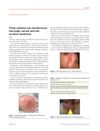
October 2015 in “Journal of the European Academy of Dermatology and Venereology” The document concludes that early recognition and appropriate treatment of red scalp, red ear, and red scrotum syndromes can lead to remission.